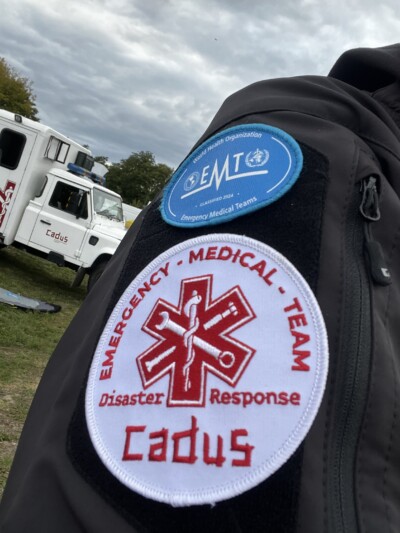
Erdogan´s war or how to destroy progress
Published on 10. October 2019
from CADUS-PR
erdogan-s-war-or-how-to-destroy-progress-feature-IMG_2714-a6d39da4
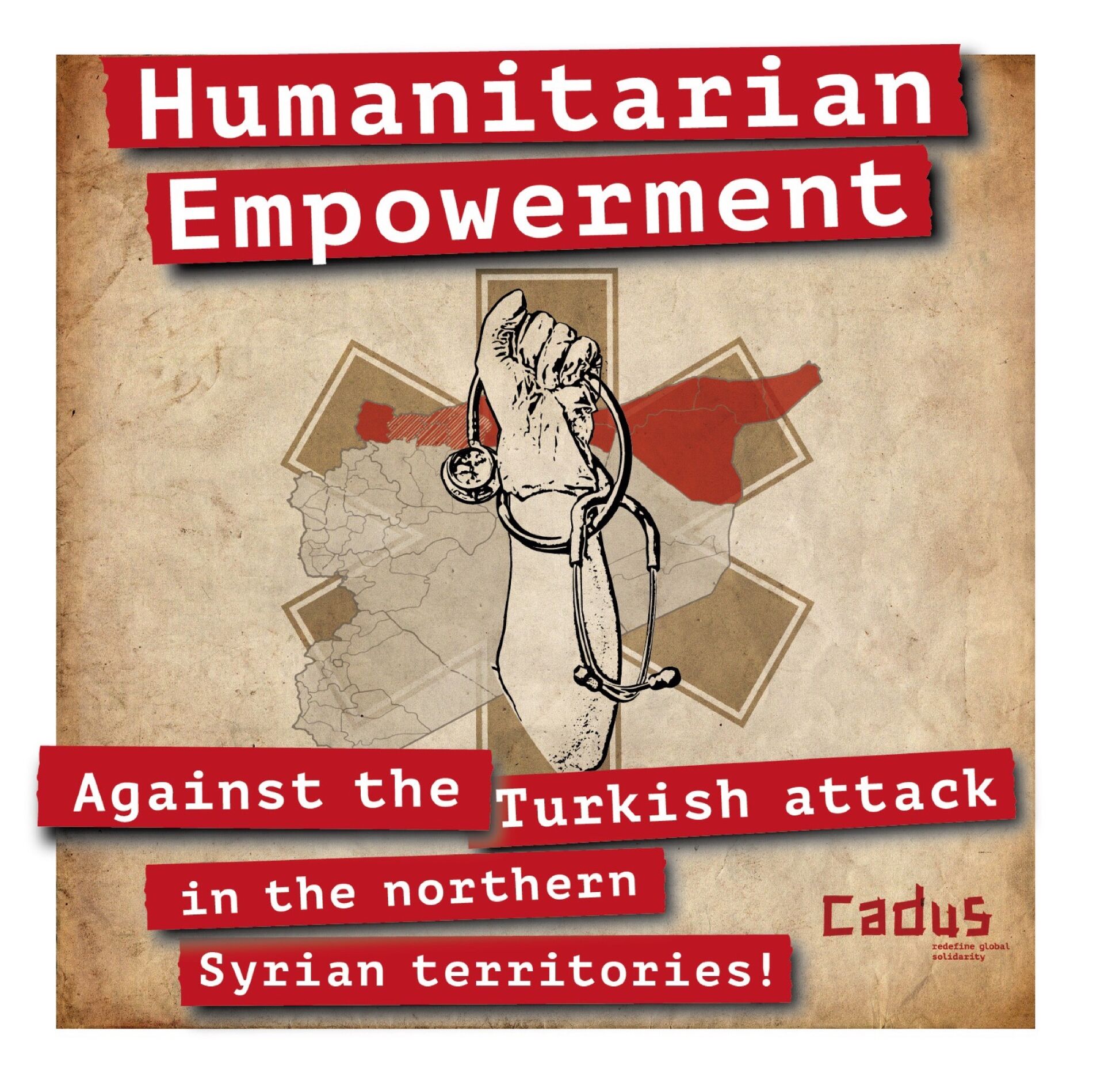
It´s happening, the long feared invasion of Turkey is taking place. As a humanitarian aid organisation, the principle of neutrality requires us not to take a stand in conflicts. But what we can do is talk about facts.
The fact is that an attack by Turkish troops on Syrian territory is a breach of international law.
The fact is that the "security zone" is not a reaction to aggression on the part of the Kurdish self-government, but purely "preventive" and can therefore be called a pretext, with a clear conscience.
It is also a fact that a politician like Erdogan alone shows where we are heading to, when he talks about "protection zones" on one side and "exterminate" on the other.
It is also a fact that ISIS built many of its improvised booby traps in Rojava, which still cause fatalities until today, with chemicals from fertilizer supplies from Turkey, while humanitarian aid supplies for the region of northeastern Syria were not allowed through.
It is also a fact that after the invasion of the Turkish troops, respectively the TFSA militias supported by Turkey, countless war crimes and human rights violations took place in Afrin, unilaterally at the expense of the Kurdish part of the population.
It is also a fact that the humanitarian situation in Rojava has steadily improved in recent years. And this despite all the adversities and efforts faced by the local population and our local partners. The lack of functioning equipment, lack of financial ressources, repeatedly also humanitarian embargos on the part of Turkey in violation of international law and the constant defensive struggle against ISIS, made it difficult to bring improvements in the region. And yet the people there have managed to rebuild a health system.
It is also a fact that the health system in northeast Syria also takes care of the local population who fought on ISIS side until recently and their families. And thus acting in a very direct humanitarian manner.
It is also a fact that all these positive achievements are endangered or destroyed by a Turkish attack.
As a humanitarian aid organization we must express ourselves "neutrally", but sometimes a simple enumeration of the facts says enough.
Since 2014 we have been working in Rojava at the side of Hevya Sor a Kurd, in different frequencies, but permanently for 1.5 years. Our projects treat around 4500 patients at two locations each month. The current situation also puts these projects in acute danger.
Together with our Kurdish partners we monitor the situation very closely and will keep our international teams on site as long as possible. At the same time, we are currently also seriously considering how our aid measures can be expanded should the number of warlike acts continue to increase.
Your help is essential!
CADUS supports – support CADUS
Published
Author: by Jonas Grünwald
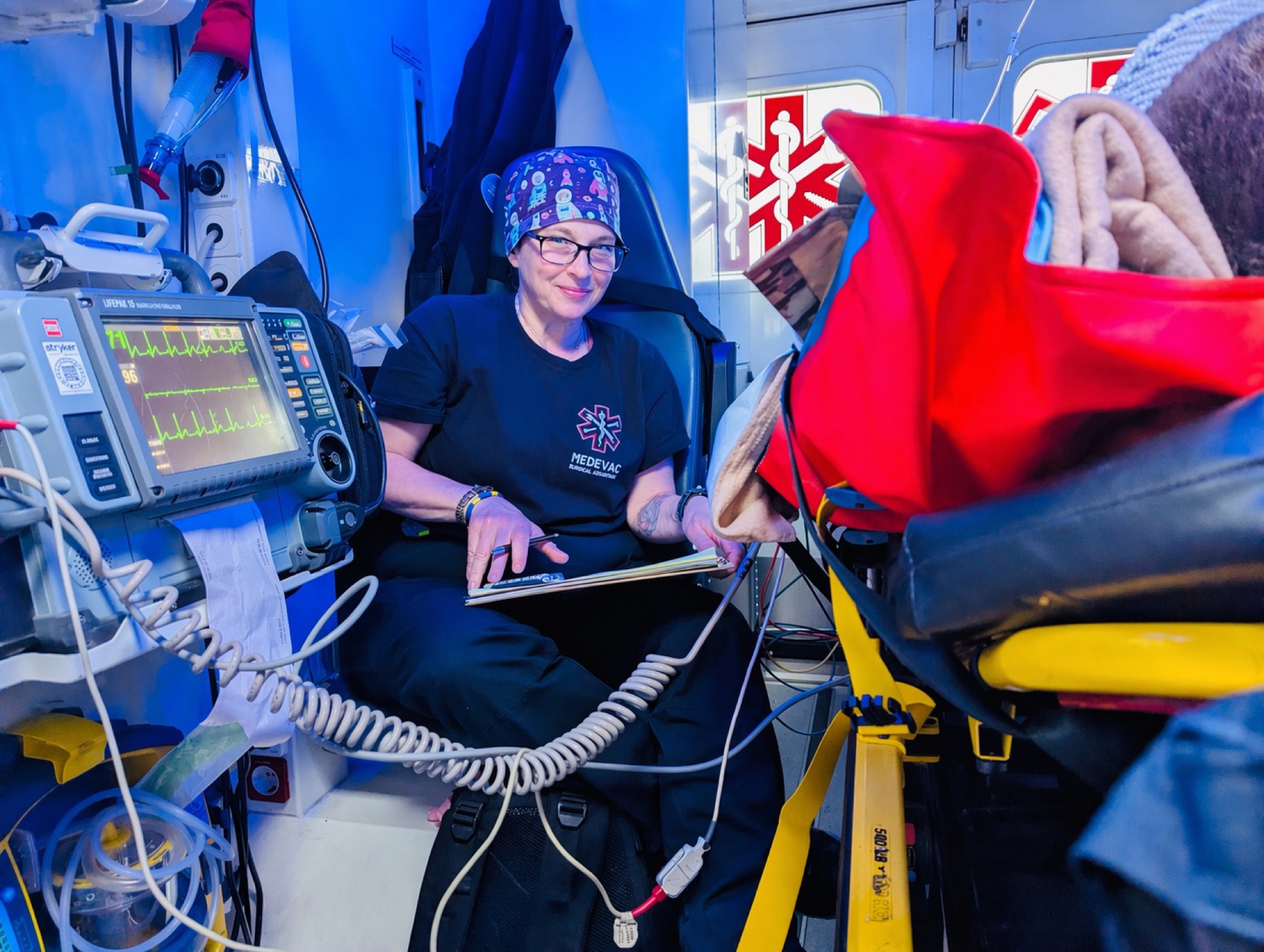
Meet our Team: Skye Steffens
In our series, we introduce the people behind our responses . Today, we are speaking with Skye Steffens, a colleague from our medical evacuation team in Ukraine. She works as an experienced intensive care nurse under extreme conditions near the frontline. In the interview, she talks about her journey into humanitarian response, the unbreakable bonds with her team, and why looking away is not an option for her.
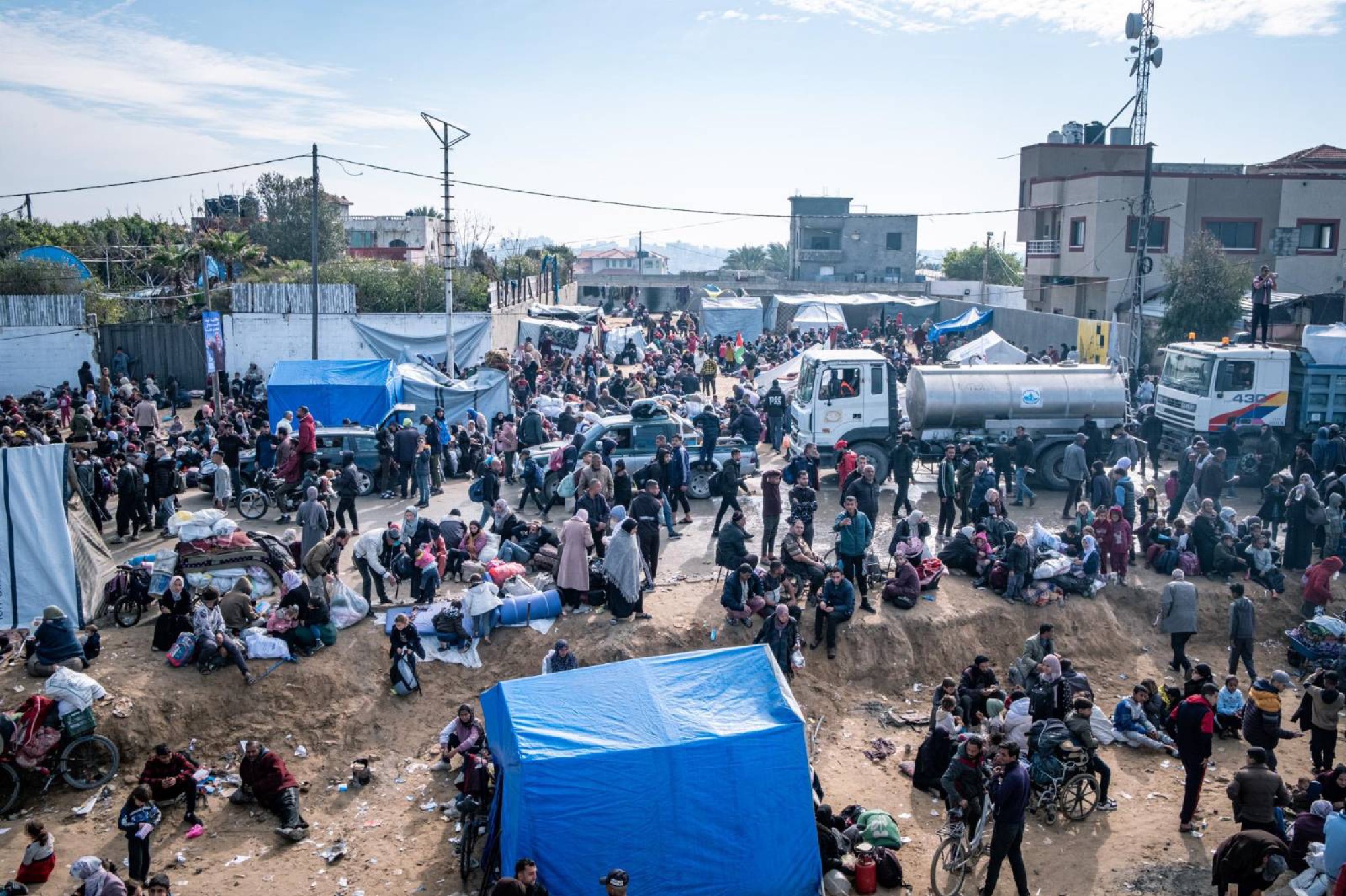
1 Year of Stagnation
On October 10, 2025, a ceasefire was agreed upon between the Israeli army and Hamas. One year later, Gaza is still being bombed, albeit less than before. The only real standstill lies in the living conditions and prospects for the people of Gaza.

“Every day at work is different. Unpredictable.”
Our Deputy Infield Operations Coordinator Moto Michikata has travelled several times to Ukraine since 2022. She shares her personal story as a person with neurodivergency, working and living in a war torn country and under constant threat of drones and missiles.