“Every day at work is different. Unpredictable.”
Published on 5. October 2026
from Moto Michikata
Our Deputy Infield Operations Coordinator Moto Michikata has travelled several times to Ukraine since 2022. She shares her personal story as a person with neurodivergency, working and living in a war torn country and under constant threat of drones and missiles.
I have contributed to a story back in early June 2026 when Dnipro was being frequently attacked by missiles and drones. Back then, I wrote a story on behalf of CADUS Dnipro team.
This piece is my personal story. A story from a person with multiple neurodiversity, working and living in a country affected by the ongoing conflict.
I have decided to take this approach from this angle, a person on the spectrum as we are often not visible in the society dominated by neurotypical people. To be clear, I do not know what it is like to be neurotypical.
Being multiply neurodivergent comes with many layers of challenges. Such challenges escalate when working and living under threat and having to work and live in shared accommodation.
For me, I am always surrounded by anxiety, intense emotions and utter chaos. I wish I could control them but I cannot.
I am sensitive to noise so there are sensory challenges on ongoing bases, facing the sound of missiles whistling nearby, the sound of mobile teams in a distance trying to shoot down the drones, the sound of interceptors operating, the sound of explosions both in the air and on the ground.
 A cloud of smoke near the CADUS guest house in Dnipro after a attack by the Russian military. Photo: CADUS
Part of my job is security, day and night, 24-7. When I hear the air sirens going off on my phone from the app, either in Dnipro or wherever the ambulance teams are, I monitor the situation. What are the threats? Where are they coming from? Which direction are they travelling to? How many are there?
Having to do this job 24-7, sometimes there is no time to rest. For example, early in the morning at 02:01 on Sunday 16th August, we sheltered in the basement of the guest house. We sheltered because we heard the loud sound of mach cone – the sound caused by the shock waves of fast-moving objects travelling faster than the speed of sound (e.g. missiles). After un-sheltering, I returned to my bed and continued to monitor the situation. Drones here, drones there, drones everywhere not in Dnipro City but within the region. So I continued to monitor. 30 minutes passed by, one hour then two hours. At 05:00, I went out for a walk after a curfew. I wake up at 05:30 usually to do morning walks anyway so I took a long walk. Returned to the guest house and started working at 07:00. When there are no drones or missile threats, this is the only time when I can enjoy me-time during the day. Time of the day where I can usually have the control of.
Every day at work is different. Unpredictable.
Routine is very important to me. Back home in London, I have a strict routine to manage my anxiety level. Here in Dnipro, routine is a luxury and impossible to have. We receive ambulance dispatch calls at any time of the day. Some days when we have three ambulance teams dispatched to three different corners of Ukraine, the level of anxiety increases, especially when the teams are travelling to unsafe locations or when the missiles and drones are close by or heading towards them. This is on top of managing the security at the base in Dnipro.
Some days, it is almost impossible to get on with work. You wake up with the sound of air sirens, then drones heading towards Dnipro City, then the threat of ballistic missiles, then more drones and more drones and explosions. There was one day when we had to shelter multiple times and had to pause meetings saying ‘I am sorry but we just heard explosions and we have to shelter’.
When I started working at CADUS back in April 2026, I was able to hear the sound of drones – very distinctive sound of mopeds. Drone technology is advancing so fast and these days, you hardly hear their presence in the air and all of a sudden you hear the explosions.
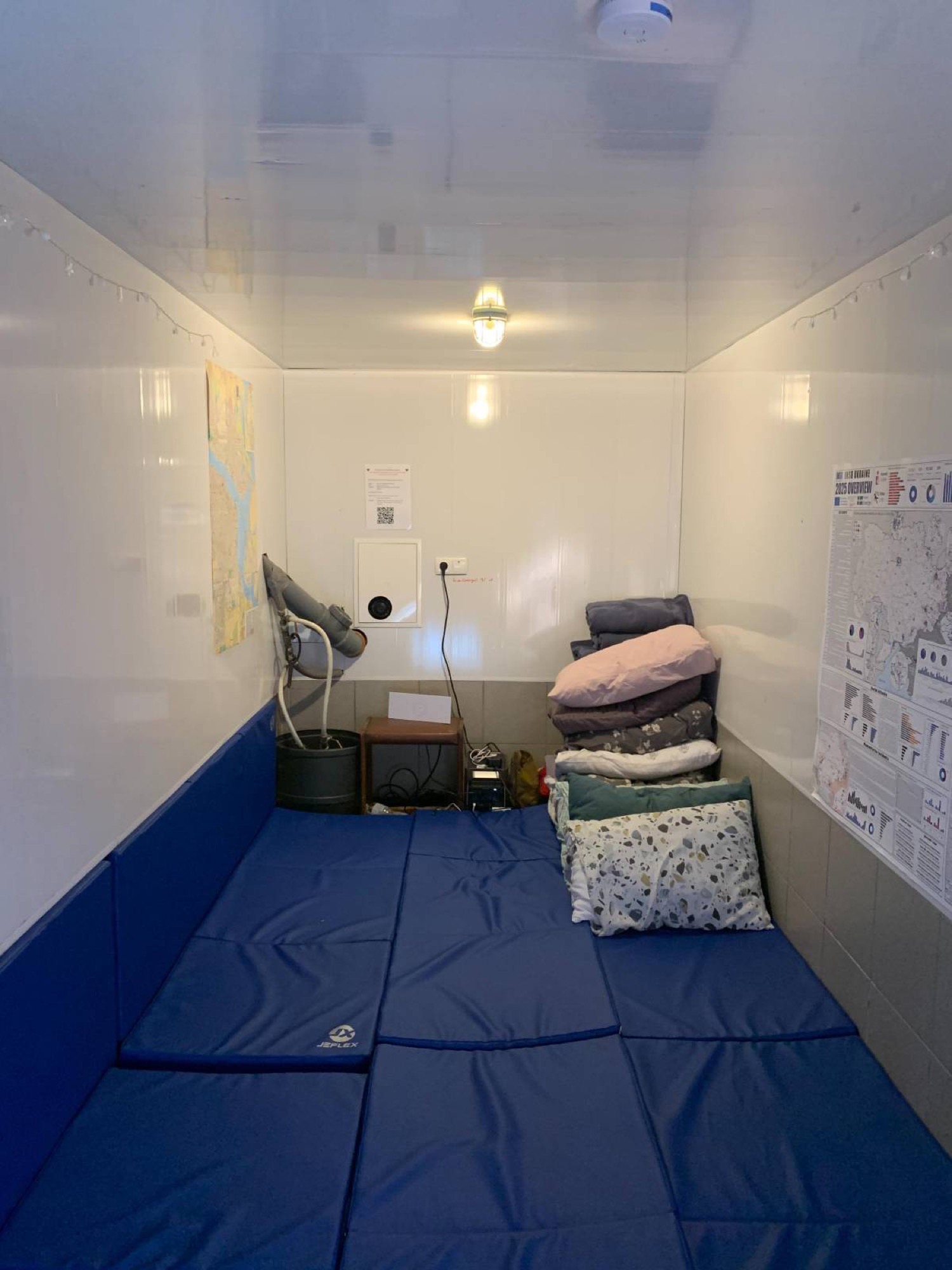 The shelter inside the CADUS guest house. Sometimes the whole team is spending the night there during attacks. Photo: CADUS
The inability to rest and re-charge energy at night, sensory overload and disruption of routines – I am tired but somehow able to function to work 24-7. But some mornings when I am unable to sleep at all, I wake up with the level of anxiety already at 70% at 05:30 and sometimes higher. By the evening, my brain and the whole body is flooded with the fear of anxiety and I shut myself in my room. But attacks do not mind my business so when the app sounds the alarm, off I get my phone to monitor the security situation.
And one more additional layer being multiply neurodivergent. Over the years, I have learnt to mask to minimise being an alien. Masking is exhausting and days when my level of anxiety is off the chart, I am unable to mask. But life goes on and we have to get on with work and life.
This is my life in Ukraine.
My life back home in London? There is no emotional boundary whether I am in Dnipro, London, Tokyo. The anxiety follows you wherever you go.
As I have mentioned earlier, I am very sensitive to noise. When I am back in London, I fear the sound of airplanes above me, mopeds passing by, the sound of fireworks, popping sound of balloons and prosecco. This constant cycle of fatigue is exhausting. Even when sleeping at home in London, I wake up every now and then because my body has adjusted and decided to get accustomed to being woken up multiple times by the sounds of air sirens and explosions.
This is my personal story of living, sometimes surviving daily life in Ukraine and beyond.
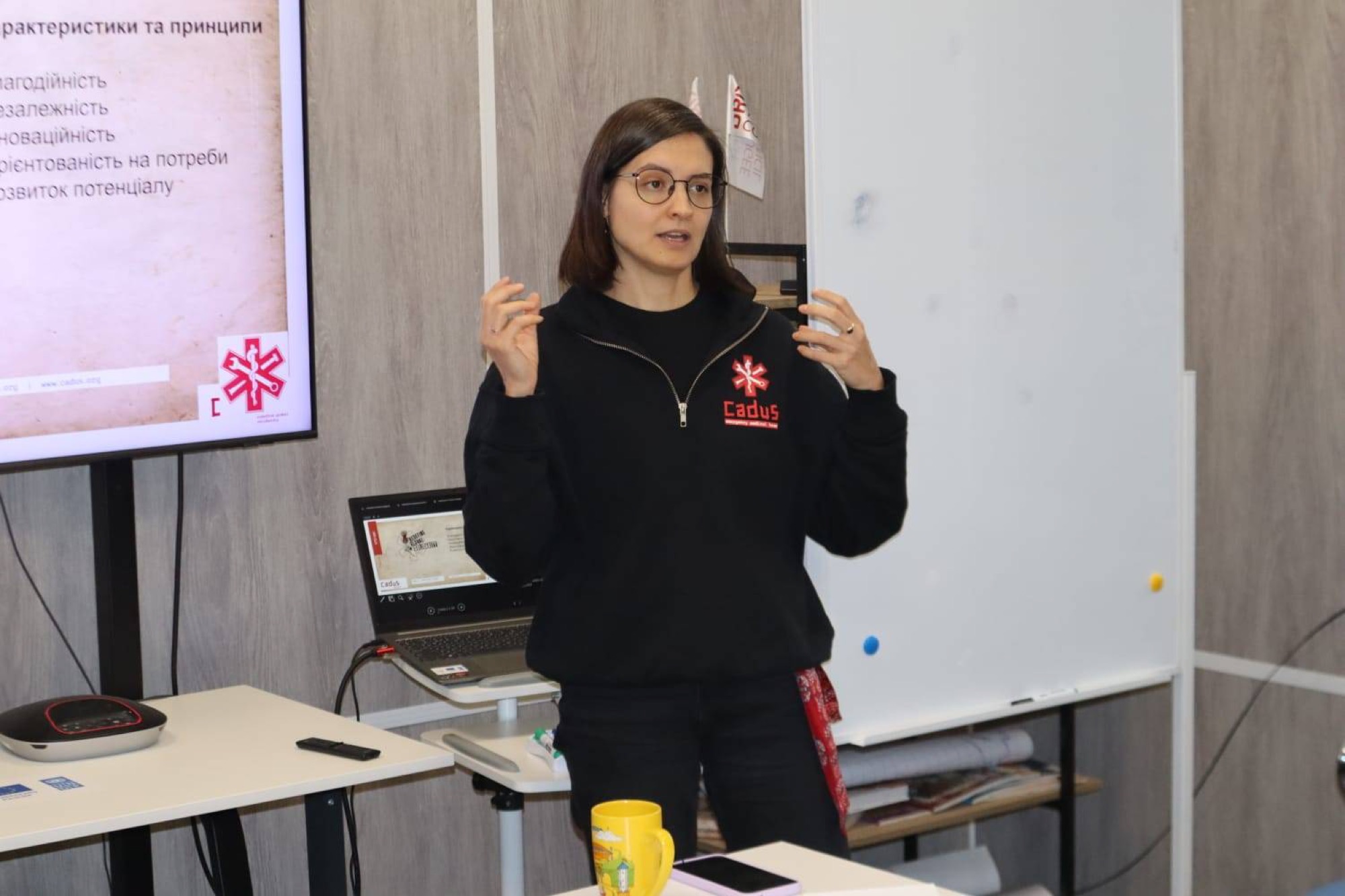
Meet our Team: Nastia, Infield Operations Coordinator in Ukraine
In this interview, we sat down with our Infield Operations Coordinator, Anastasia Vorobyova, in Ukraine to learn more about her background, her day-to-day life on the ground, and what drives her to continue her essential work. She shares her journey from running a language school to joining the humanitarian response, the realities of living in a conflict zone, and the incredible resilience of the people around her.
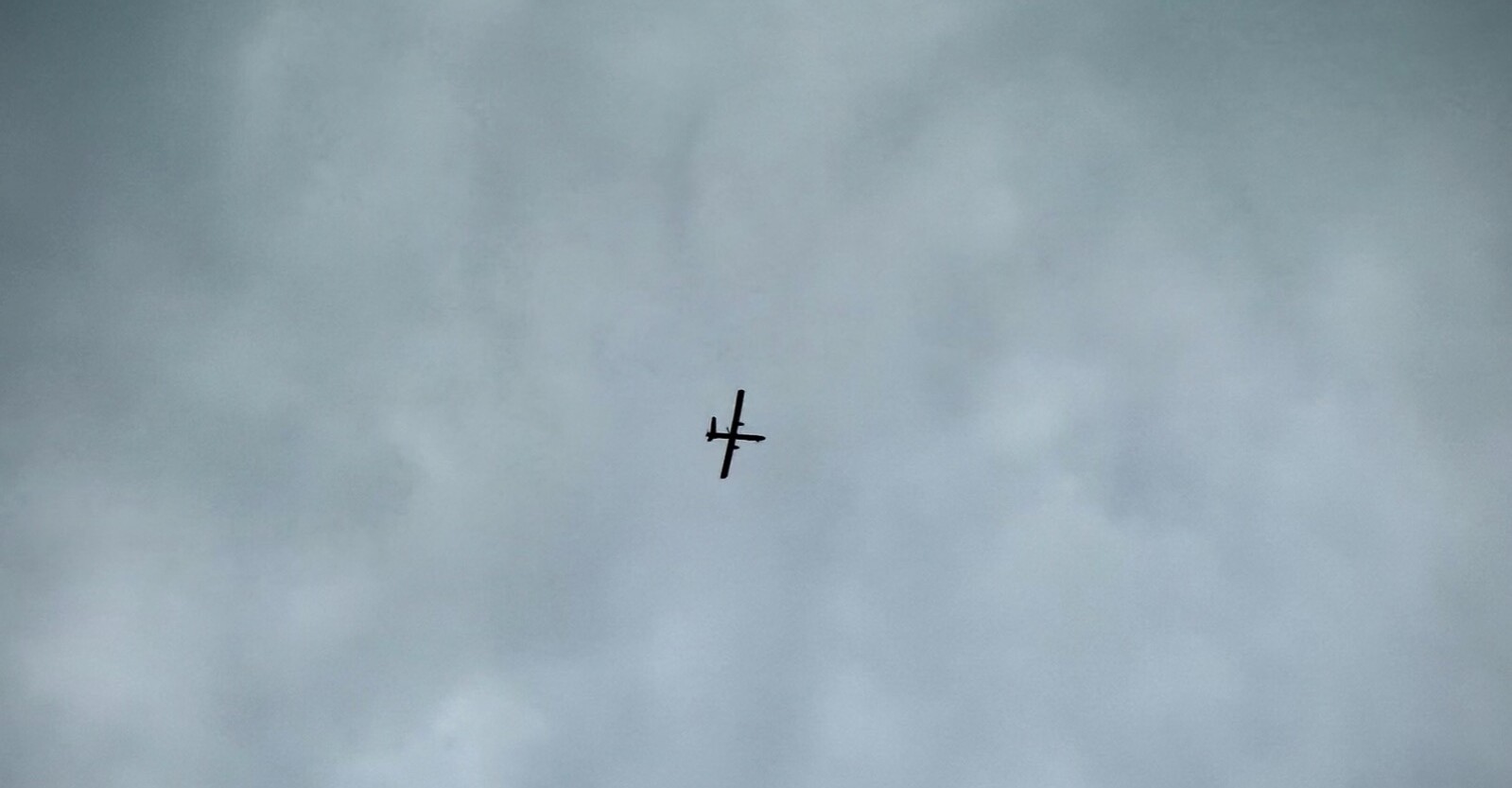
Monitoring the Patient While the Sky Monitors You.
Medical neutrality becoming psychologically uncertain. The Red Cross, ambulance, hospital, scrubs, or medical role ordinarily signify protection and neutrality. Under persistent surveillance, you may intellectually understand those protections while simultaneously feeling that being identifiable does not necessarily make you safe.
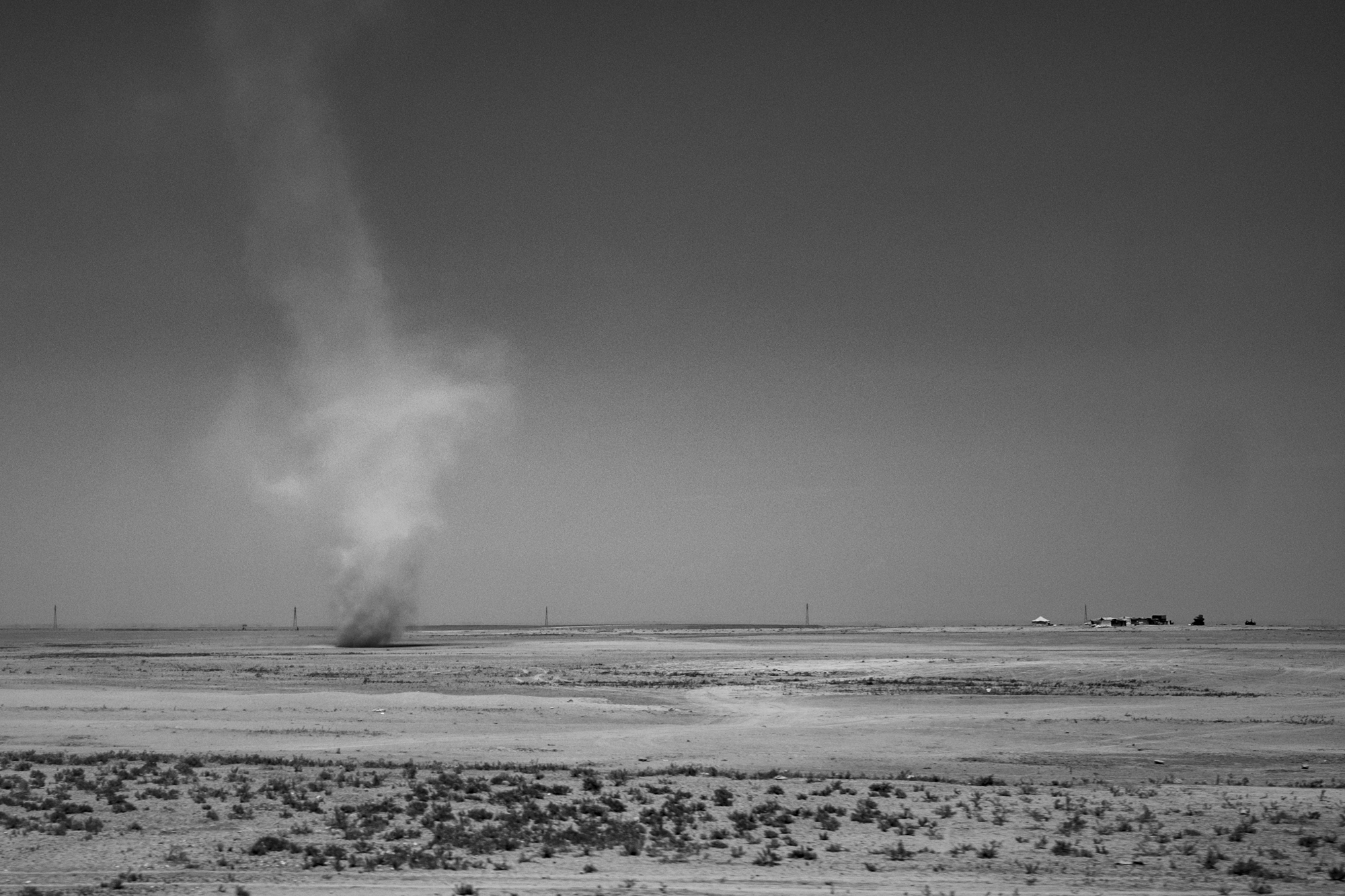
Heat – More than just hot
Climate change will lead to an increase in prolonged heat waves. Yet heat is much more than just a weather phenomenon. It affects our social life, health, the environment, politics, and, very specifically, our operations in crisis areas – and thus becomes a matter of global justice.