Resolution regression
Published on 13. March 2020
from CADUS-PR
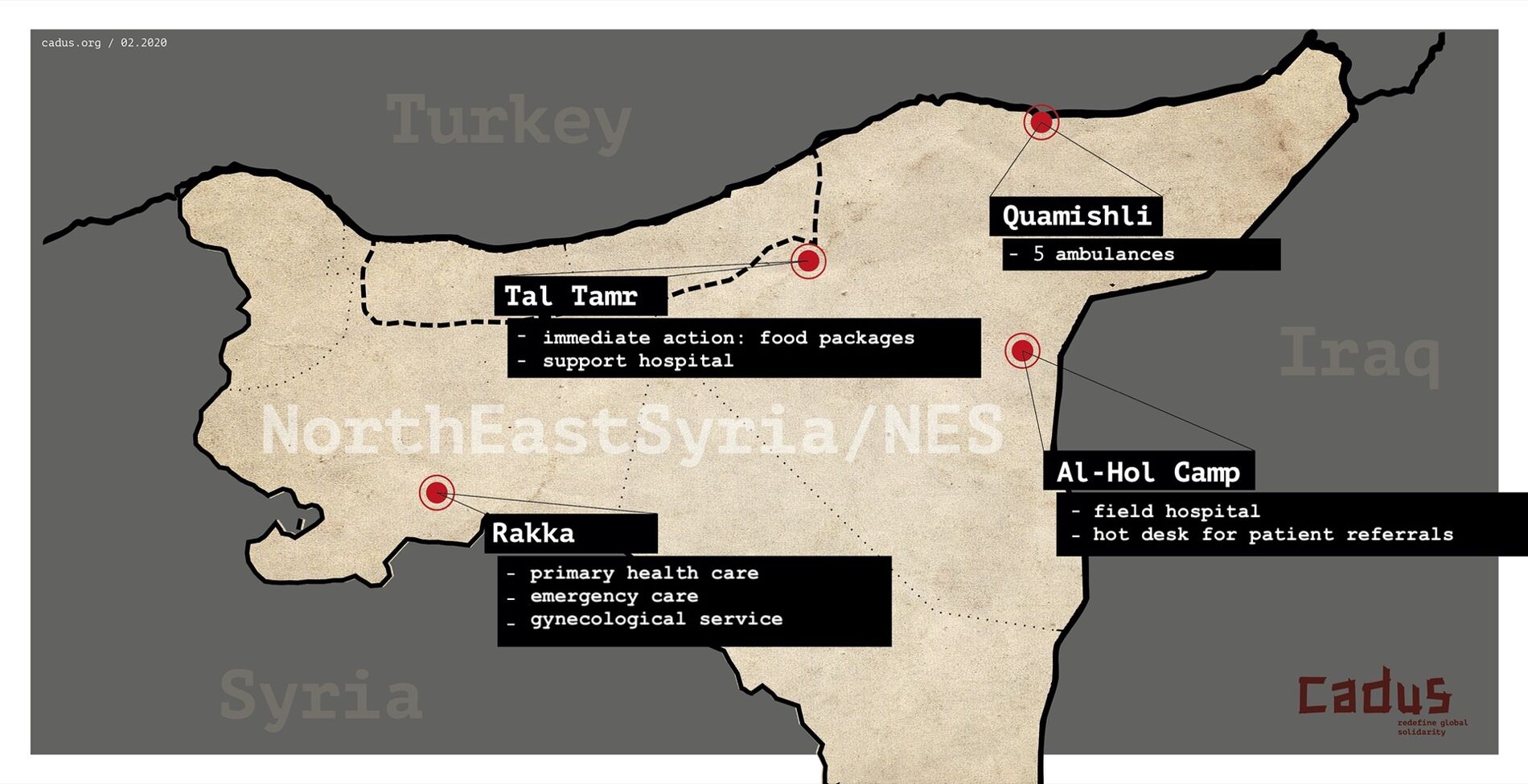
resolution-regression-feature-CADUS20-20map20NES20operation20location-45-a6adb8ed
While the humanitarian situation in Northeast Syria is still tense and the threat to the health system and people from the so-called corona virus has increased, the work for aid organizations has again been made more difficult.
The UN Security Council passed Resolution 2504 already on January 10 this year. It is the continuation of resolution 2165 of 2014, but contains some changes with far-reaching consequences for local health care, under pressure from Russia and China.
Obstacles to humanitarian aid
Funding from UN institutions will no longer apply to many aid projects. Access to the region is made more difficult by the closure of two of the four border crossings for relief supplies that is stipulated in the resolution. These essential humanitarian corridors brought medicines, medical devices and consumables from neighboring countries into Northeast Syria. The resolution is also limited to six months and expires at the end of June. An extension is not expected, which would mean the end of cross-border aid projects, from which up to four million Syrians are benefiting.
CADUS projects affected
Our projects in Rakka and al-Hol cannot be financed by donations alone. In the past weeks we have been looking intensively for ways to maintain both facilities. Fortunately, funding is emerging for our field hospital at al-Hol Camp.
For the primary health care center in Rakka, which we run together with the Kurdish Red Crescent, things are unfortunately looking worse. Although we treat up to 4,000 patients there each month for € 70,000, including an increasing number of people from the besieged region of Idlib, we probably have to stop work. Although an average of € 17.50 for the treatment of a person is a small price for their health and the implementation of the human right to medical care.
We are still trying to secure the financing of our projects and to provide permanent support to the people in Northeast Syria, whether with old or new projects.
We hope to be able to announce good news soon.
Published
Author: by Jonas Grünwald
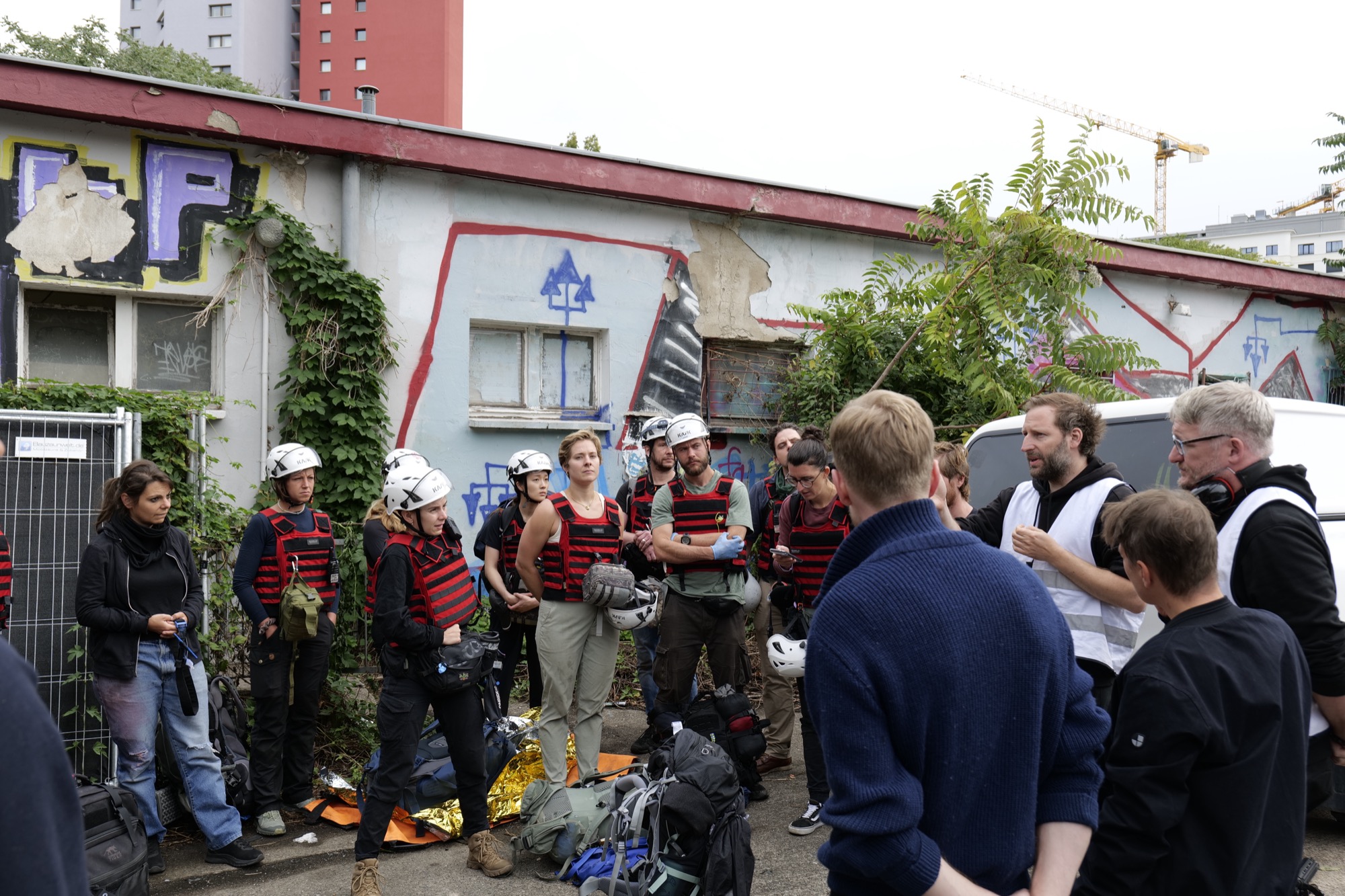
CADUS HEAT
For many organizations, Hostile Environment Awareness Training (HEAT) is part of the preparations for humanitarian missions in war and crisis zones. In this interview with our training team, you’ll learn how these trainings are conducted at CADUS, what participants learn, and what HEAT can actually achieve.
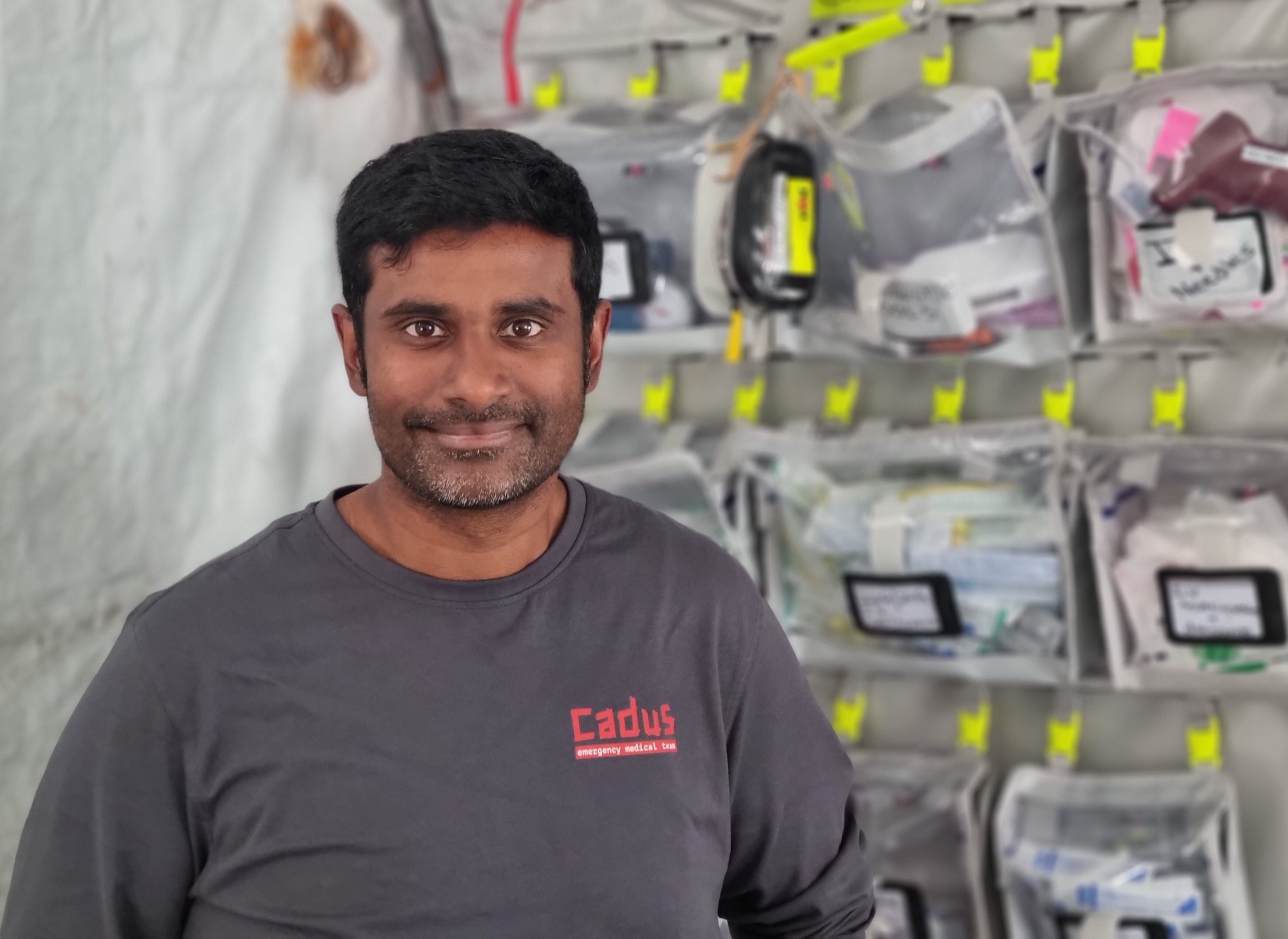
Meet our Team: Dr. Hareen De Silva
There’s almost no place nor community on earth too remote for our colleague and general practitioner Dr. Hareen De Silva BEM: From being the only doctor on a remote island, working on engaging and providing healthcare within marginalised communities to now leading the health department at CADUS. In this interview, Hareen shares what impassions him and which goals he has for humanitarian work.
Health and Democracy
The healthcare system in Germany is not in the best shape. But health isn't the only reason we should advocate for it.