Encounter at IDF checkpoint on MEDEVAC 12/10/2024
Published on 16. October 2024
from Jonas Gruenwald
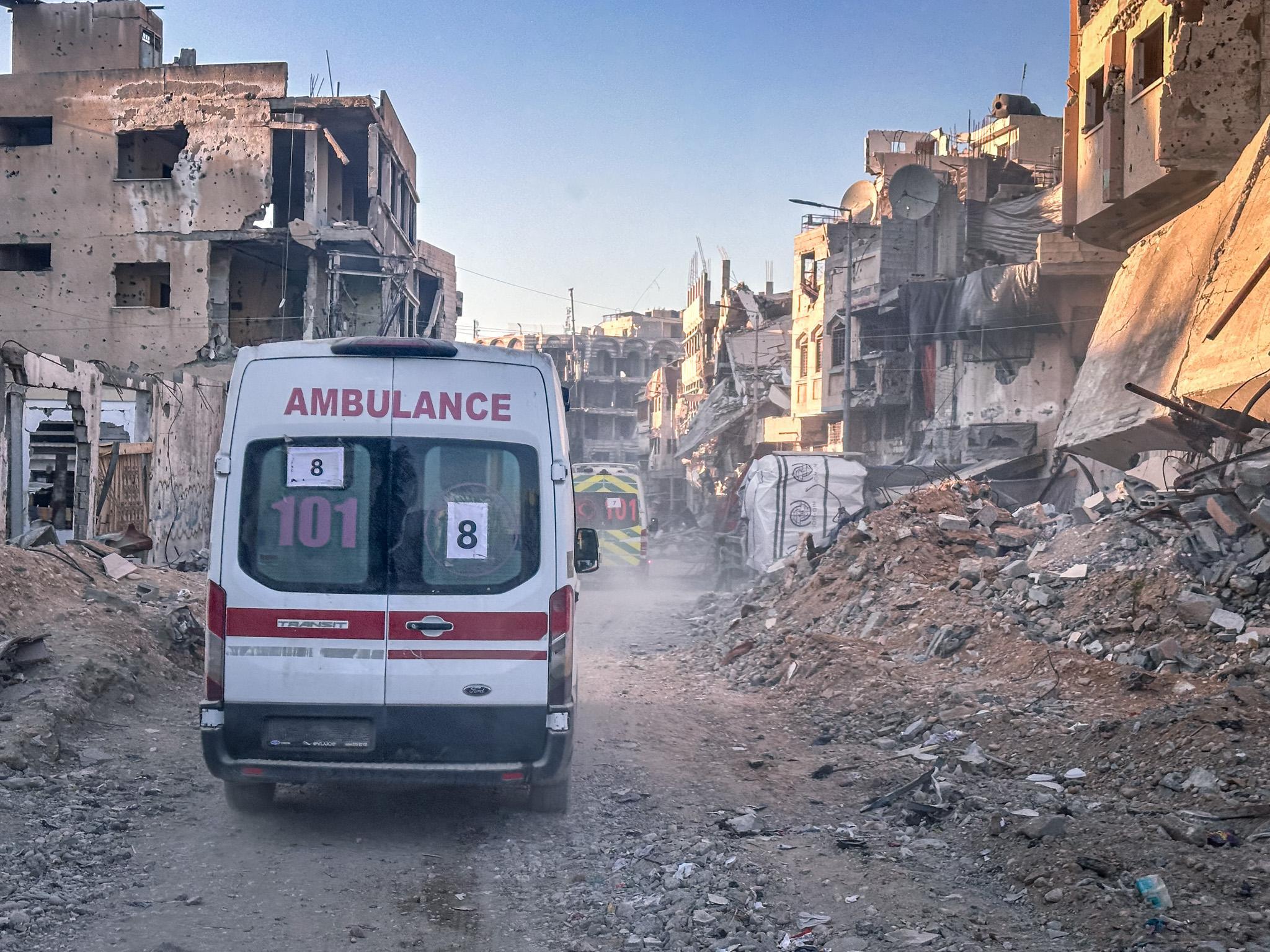
Crossing Israeli Defense Forces (IDF) checkpoints in Gaza is a frequent occurrence. However, despite its regularity, it is far from routine.
Each crossing involves significant risks, particularly in zones designated as active combat areas. Movements through these checkpoints require meticulous coordination, with every detail—from timing, vehicles, and personnel to the purpose of the mission—being communicated well in advance. Despite these efforts, incidents remain alarmingly frequent.
These incidents range from extended delays to the harassment and intimidation of national staff, as well as intentional damage to United Nations (UN) and International Non-Governmental Organization (INGO) vehicles. We already faced situations like this in the past. Dehumanizing treatment, arbitrary detention, and physical harm have also been documented. The list of such occurrences is extensive, and the recent medical evacuation (MEDEVAC) from Kamal Adwan to Al Shifa with participation of CADUS is yet another concerning addition to this growing record.
The procedures that ambulance crews and critically ill patients are forced to endure, and the risks faced by our colleagues from the Palestinian Red Crescent Society (PRCS) during life-saving missions, are unacceptable. It is imperative that unimpeded access, respect for International Humanitarian Law, accountability, and the protection of basic human rights are upheld under all circumstances.
The continued obstruction of humanitarian missions by Israeli authorities, particularly those aimed at saving lives, is a grave violation of IHL. We must collectively reaffirm our commitment to ensuring that IHL is respected, and that the rights and dignity of all individuals, including those providing and receiving humanitarian aid, are preserved.
network face shield: an interim report
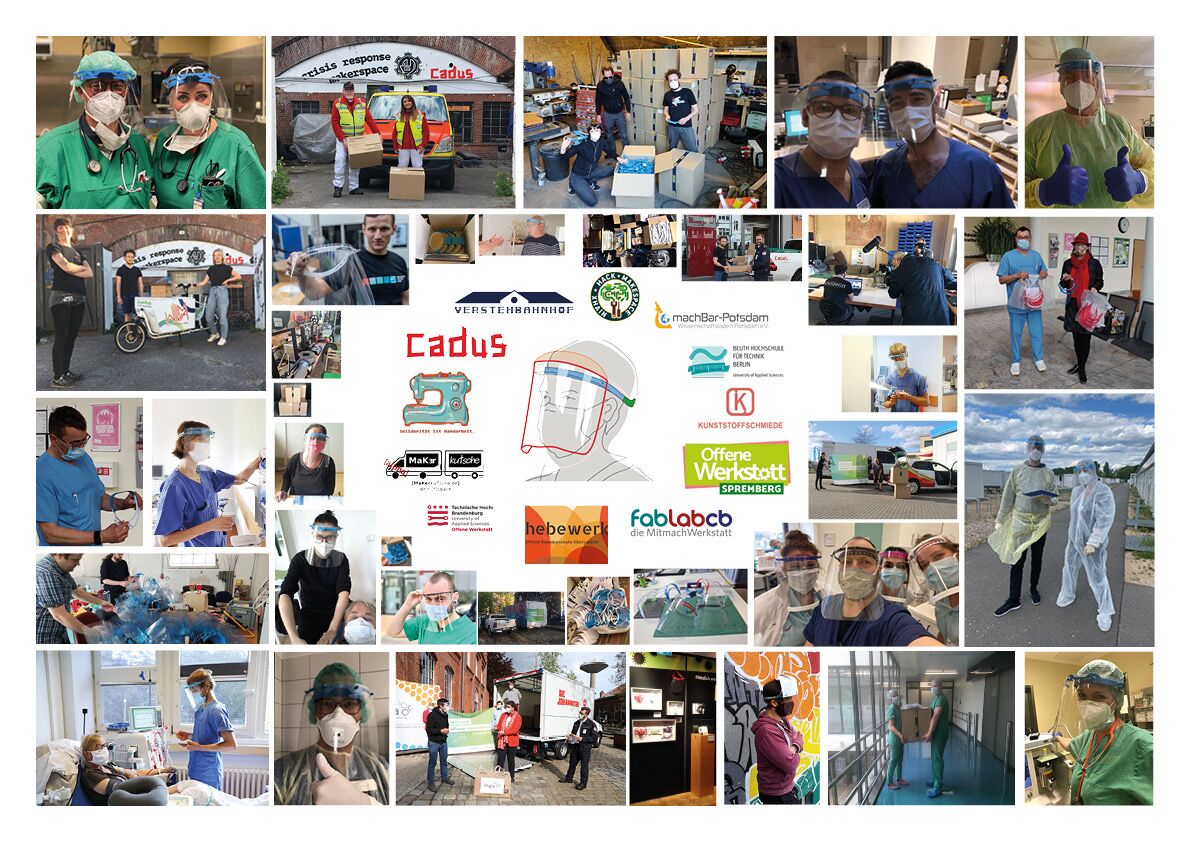
When the pandemic really started, we at CADUS were faced with a situation that was unusual for our circumstances: a crisis right on our doorstep, for which there were hardly any recommendations for action in the world of humanitarian aid that we could have based on. Through our Crisis Response Makerspace we were …

Northeast Syria: Public Relations done sensitively
Part of the essential public relations work of an organization that depends on donations is to report regularly on its own work. Nevertheless, we report comparatively little about our work in Northeast Syria. What are the reasons for our hesitation, which sometimes leads to smoking heads in our PR department?
Raqqa – closing words
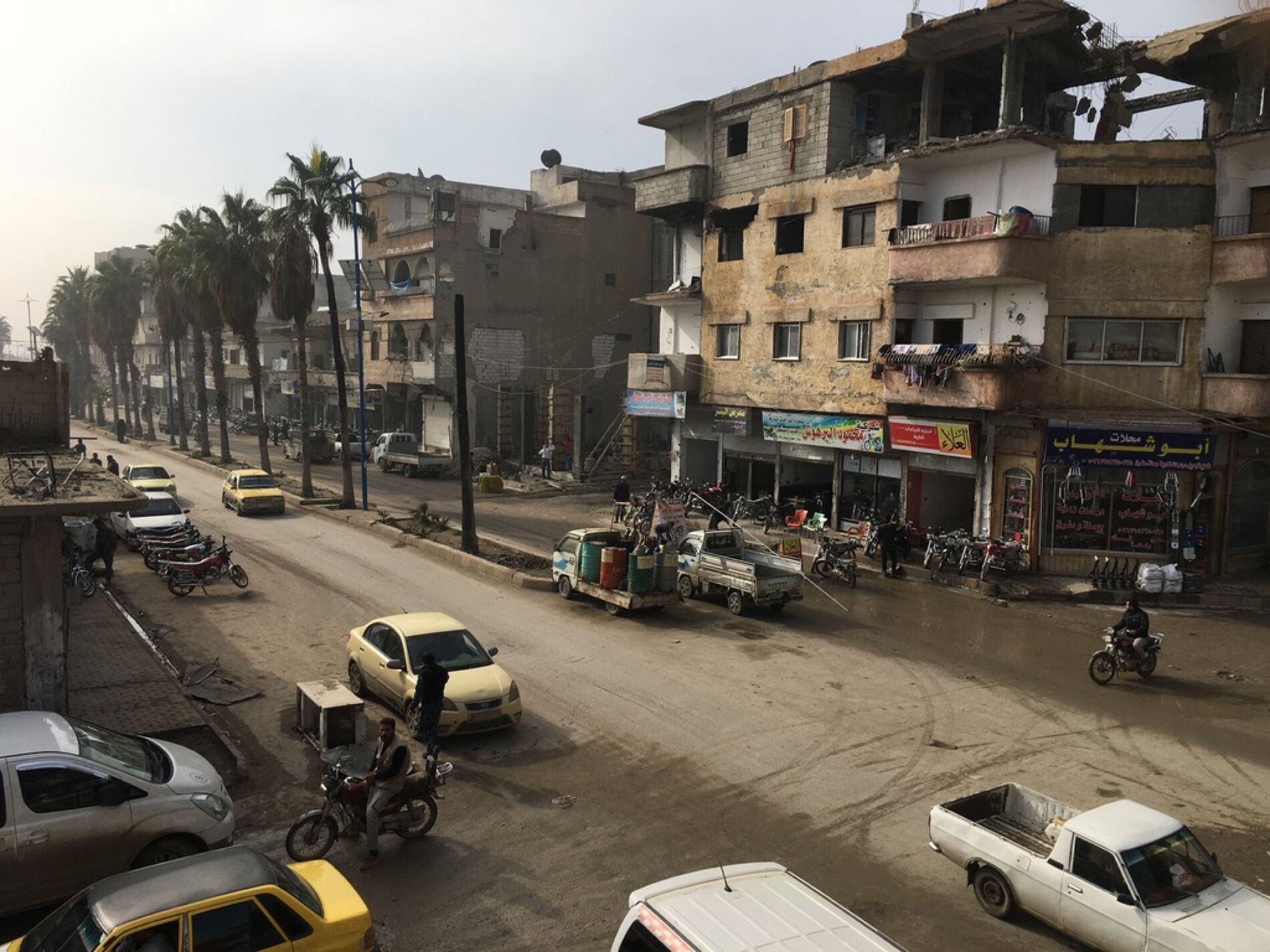
For the last two years, our clinic in Raqqa was a little but successful project which never got the attention it deserved. It started without much noise and ended the same way.