Encounter at IDF checkpoint on MEDEVAC 12/10/2024
Published on 16. October 2024
from Jonas Gruenwald
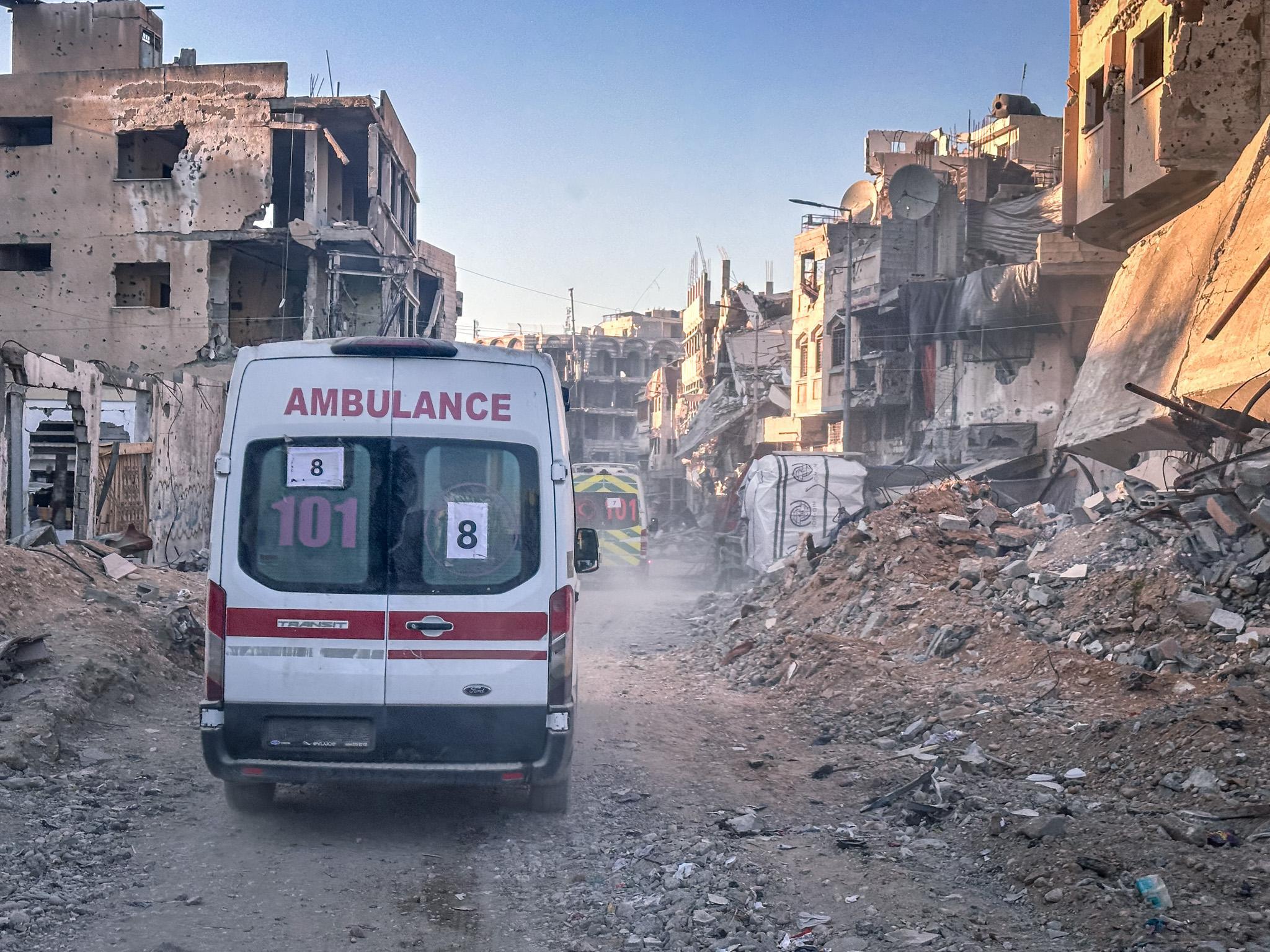
Crossing Israeli Defense Forces (IDF) checkpoints in Gaza is a frequent occurrence. However, despite its regularity, it is far from routine.
Each crossing involves significant risks, particularly in zones designated as active combat areas. Movements through these checkpoints require meticulous coordination, with every detail—from timing, vehicles, and personnel to the purpose of the mission—being communicated well in advance. Despite these efforts, incidents remain alarmingly frequent.
These incidents range from extended delays to the harassment and intimidation of national staff, as well as intentional damage to United Nations (UN) and International Non-Governmental Organization (INGO) vehicles. We already faced situations like this in the past. Dehumanizing treatment, arbitrary detention, and physical harm have also been documented. The list of such occurrences is extensive, and the recent medical evacuation (MEDEVAC) from Kamal Adwan to Al Shifa with participation of CADUS is yet another concerning addition to this growing record.
The procedures that ambulance crews and critically ill patients are forced to endure, and the risks faced by our colleagues from the Palestinian Red Crescent Society (PRCS) during life-saving missions, are unacceptable. It is imperative that unimpeded access, respect for International Humanitarian Law, accountability, and the protection of basic human rights are upheld under all circumstances.
The continued obstruction of humanitarian missions by Israeli authorities, particularly those aimed at saving lives, is a grave violation of IHL. We must collectively reaffirm our commitment to ensuring that IHL is respected, and that the rights and dignity of all individuals, including those providing and receiving humanitarian aid, are preserved.
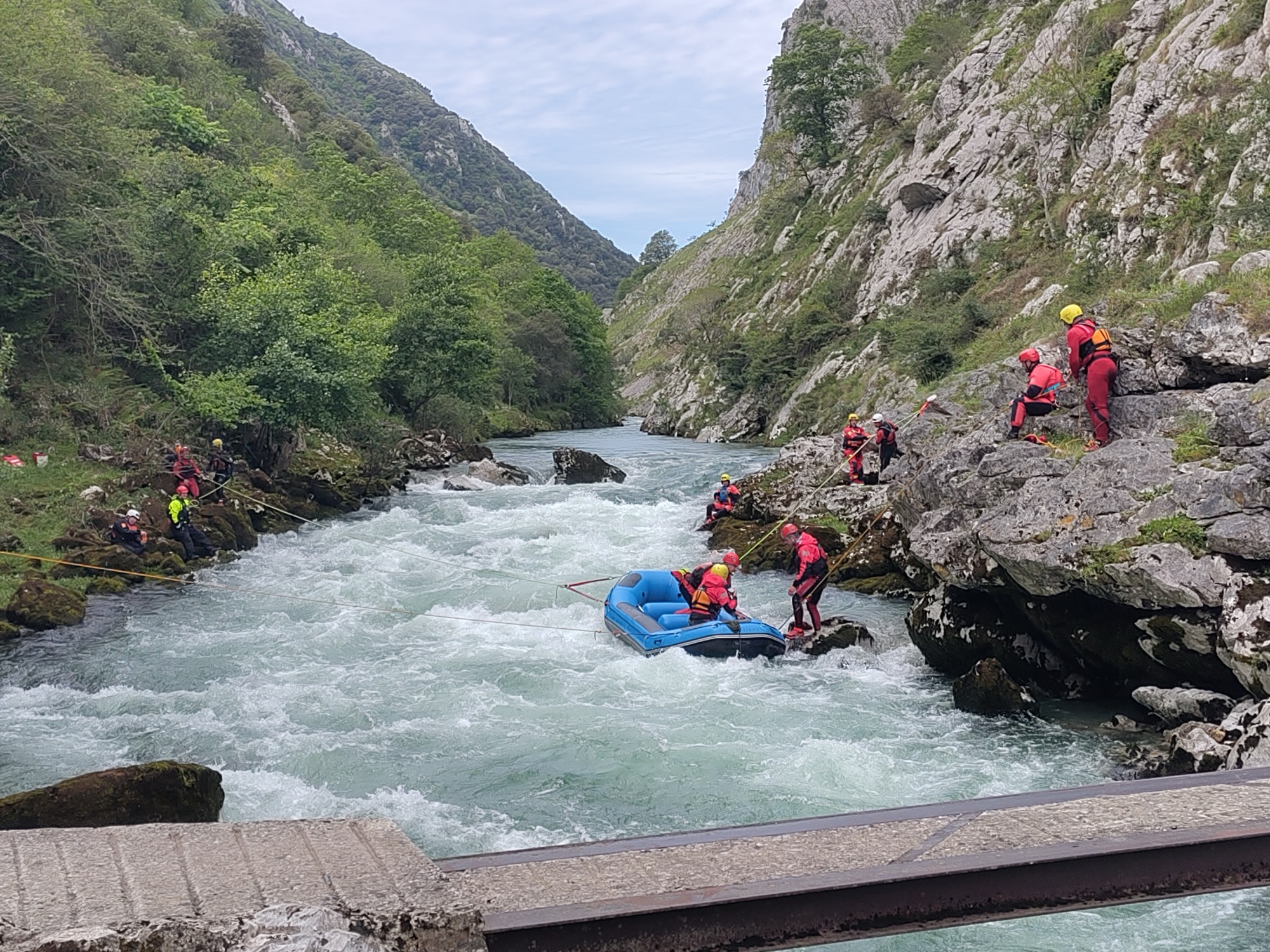
Swiftwater Training – Two Testimonials
As a result of climate change, extreme weather events and flooding will increase worldwide. As part of our Climate Emergency Responder program, four CADUS volunteers therefore participated in a training course for instructors in current rescue. Sanne and Laura share their experiences with whitewater here.
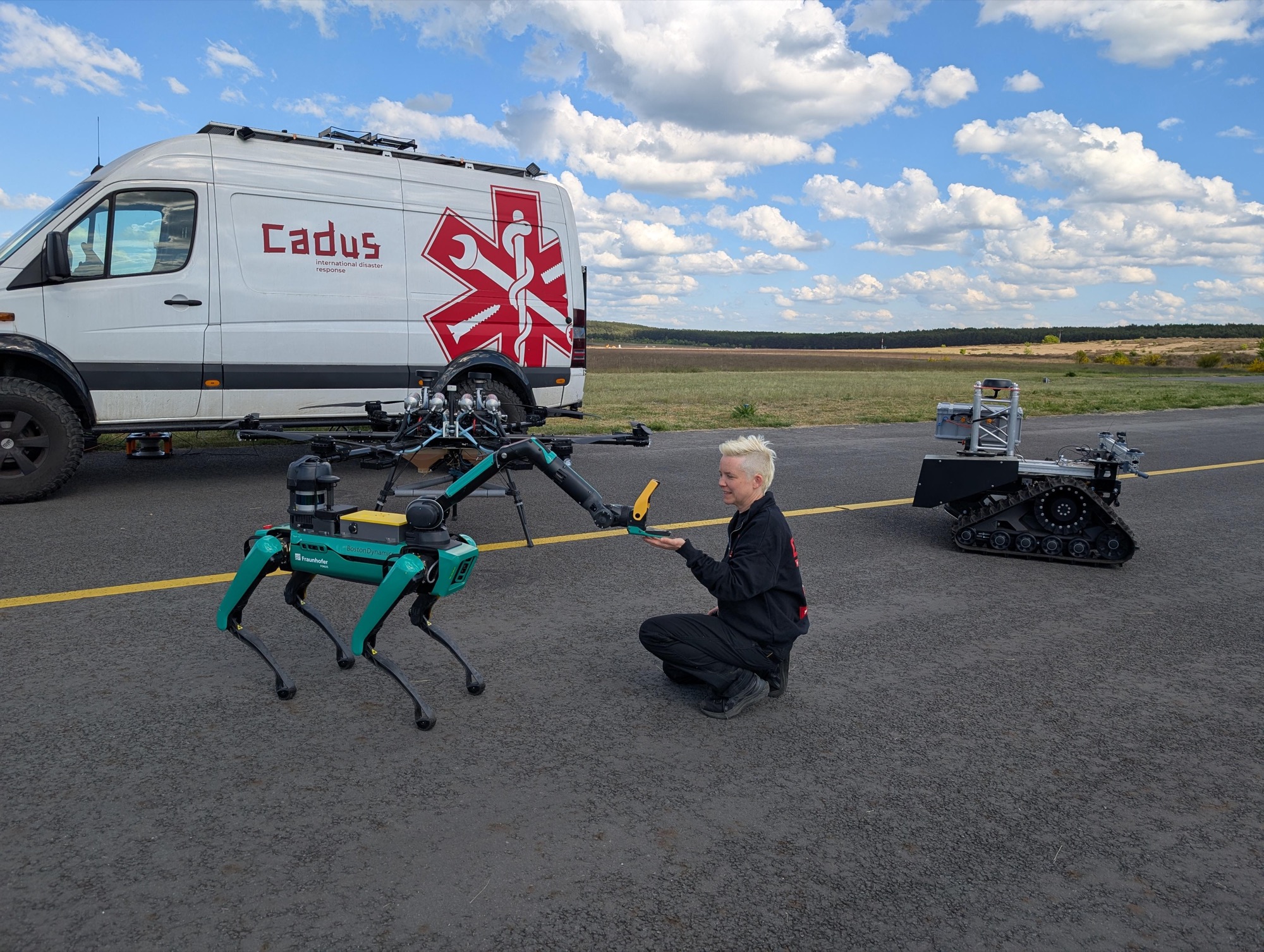
Meet our Team: Dr. Corinna Schäfer
When people think of humanitarian emergency aid, they usually picture doctors saving lives in makeshift tents. But the reality of today’s crisis response missions involves more than that. It consists largely of logistics, infrastructure, and—increasingly—cybersecurity. Our colleague Dr. Corinna Schäfer

Shelter Diary
The people of Ukraine are under constant threat of the drone and missile attacks from the Russian military. Residential areas and civilian infrastructure are repeatedly targeted, and there are regular reports of deaths and injuries. Our teams, too, must deal with this danger. In the following brief excerpts, one of our staff members describes her experiences over the past few days.