Monitoring the Patient While the Sky Monitors You.
Published on 8. September 2026
from Zachary Clapp
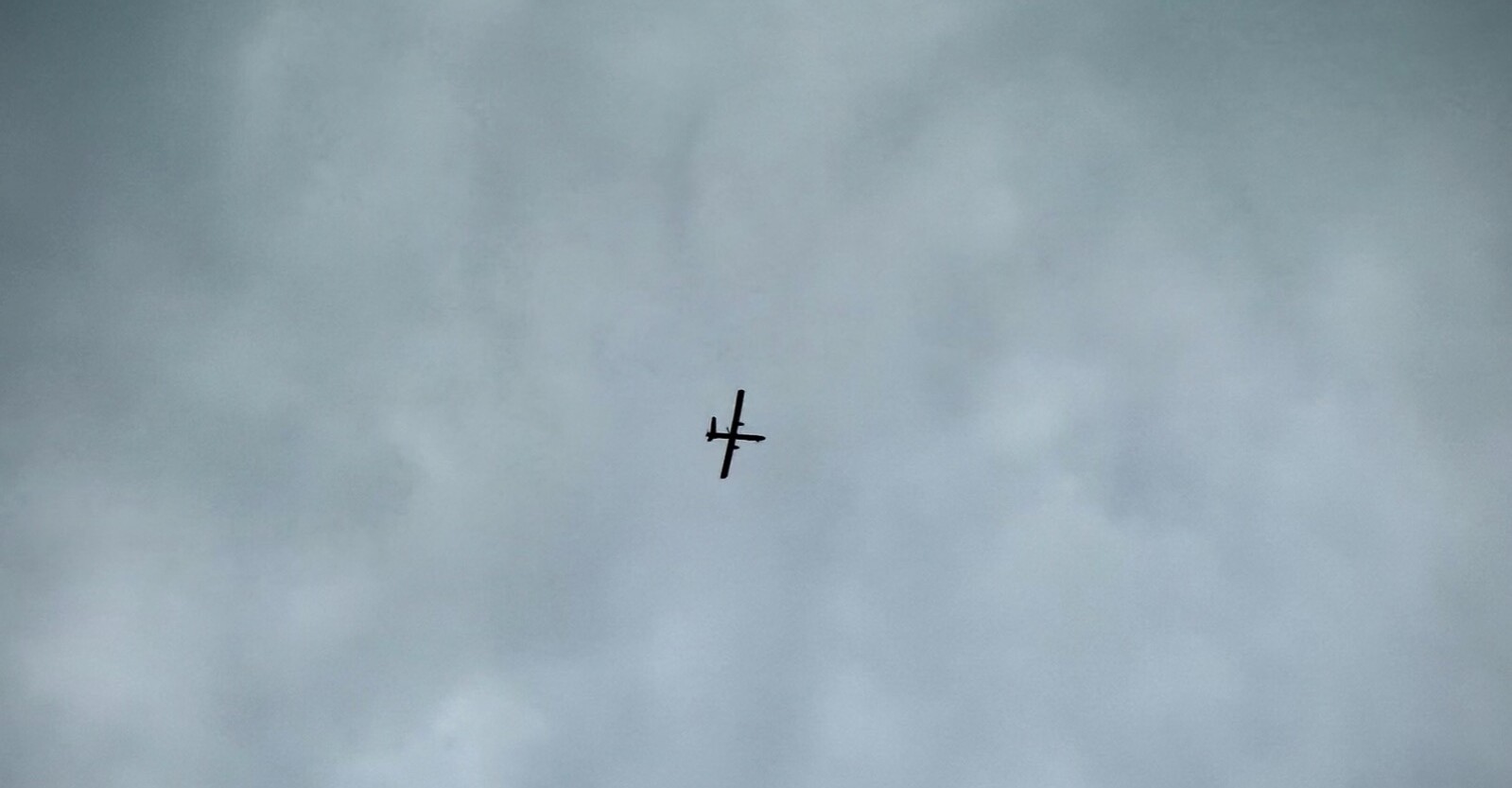
Medical neutrality becoming psychologically uncertain. The Red Cross, ambulance, hospital, scrubs, or medical role ordinarily signify protection and neutrality. Under persistent surveillance, you may intellectually understand those protections while simultaneously feeling that being identifiable does not necessarily make you safe.
The drones are present during the morning while we are breakfasting, when we return home from the hospital in the evening, when doing exercise, when having a cigarette on the terrace, and when getting to bed. They are above during the ride to the hospital and accompany us during patient transportation. Inside the hospital, they hover somewhere above what happens in medicine; checking patients, prescribing medicines, changing dressings, transporting patients, talking to other healthcare workers. Am I being monitored? What do the drones see? How do my actions get interpreted? Does taking this vehicle affect my level of risk? What about being next to this individual, or being part of a group? Is it important to stand out as a healthcare worker?
The atmosphere is filled with covert ambiguity about medical neutrality in the conditions of drones. Hospitals, ambulances, medical symbols, and scrubs imply something significant: we are healthcare workers who take care of sick or injured people. International humanitarian law grants medical providers and facilities protection. You realize this intellectually, however, being properly recognized not mean protected.
Michel Foucault’s Panopticon theory provides an interesting perspective. The degree of control exercised by vigilant observation does not require continuous monitoring. The mere awareness of the possibility of being watched can affect behavior. The drone doesn’t have to take action to impact events occurring beneath it. This leads us to the consideration of drone influence. It is not required for the drone to activate its weapon to be able to instruct the actions of what happens under it. The mere drone presence can make people move to different places, getting into different cars, and staying shorter/longer in different places. We can see that surveillance turns into observation and serves as a part of the living environment where decisions are made.
 Everything under surveillance. Rafah in Gaza from above, January 2024. Photo: CADUS
It changes the way the person views something as mundane as moving a patient. You start paying attention not just to the patient’s destination, but also to the environment surrounding the ambulance ; where it stops, for how long, who approaches, who gets on and who gets off, what is being loaded, what path it follows, what buildings it goes to. From inside the vehicle, those actions seem obvious from a medical perspective. From the drone’s perspective, however, those same actions may be interpreted in another way.
A group of people around the vehicle may turn out to be the medical workers who are transporting a critically ill person; the loading of particular medical equipment may signify that they are getting oxygen, monitors, or other necessary supplies for medical evacuation; stopping at unexpected place may be due to the deterioration in the patient’s condition. But without context the drone cannot tell whether these actions are suspicious or pose a threat and whether they are linked to something other than delivering medical help.
This is the reason why behavior changes. You begin not only thinking of what you are doing, but also what someone looking from above thinks of what is happening. The unsettling aspect is the difference between the observer and the observed; you know the purpose of all the actions performed near the vehicle, but you will never know what the observer can see and what meaning it may attach to it. The ethical problem is therefore not simply that surveillance causes fear. It is that the perceived possibility of surveillance or misinterpretation can compete with beneficence. The question of “What does this patient need right now?” becomes entangled with “Can we safely do it here, and how might doing it look from above?”
 In Gaza drones can strike everytime and everywhere. Photo: CADUS
Eventually, one stops looking up. In healthcare, there is a related phenomenon of alarm fatigue. Initially, an alarm draws our attention because it suggests something is about to go wrong. Action must be taken and the provider has to react to prevent a consequence. However, repeated, unnecessary and redundant alarms make one become insensitive to that signal. The sound does exist but is no longer significant. One cannot react unless something unexpected happens. The same applies to the drone. The buzz sounds quiet in the background while a provider is looking after the patient. Medication is prepared, colleagues communicate, MedEvac takes place, dinner is being eaten. The drone continues to exist and constantly monitoring it would make it impossible to operate.
The relationship between clinical monitoring and drones is the most surprising and disturbing. With the monitor, you’re listening for deterioration in your patient; with the drone, you’re listening for deterioration in your environment. It is important to detect differences for survival. This is perhaps the most interesting aspect of being exposed to constant surveillance: one may habituate themselves to it but not to dangers of the situation! One must filter the unnecessary sound, but at the same time ensure that ordinary life remains in progress.
Zachary Clapp is an anesthesia nurse with a clinical background in pediatric critical care, including work in complex and resource-limited environments. In Gaza, he is working with CADUS as a medic, supporting patient care, emergency and resuscitation needs, and medical evacuations as part of the team.
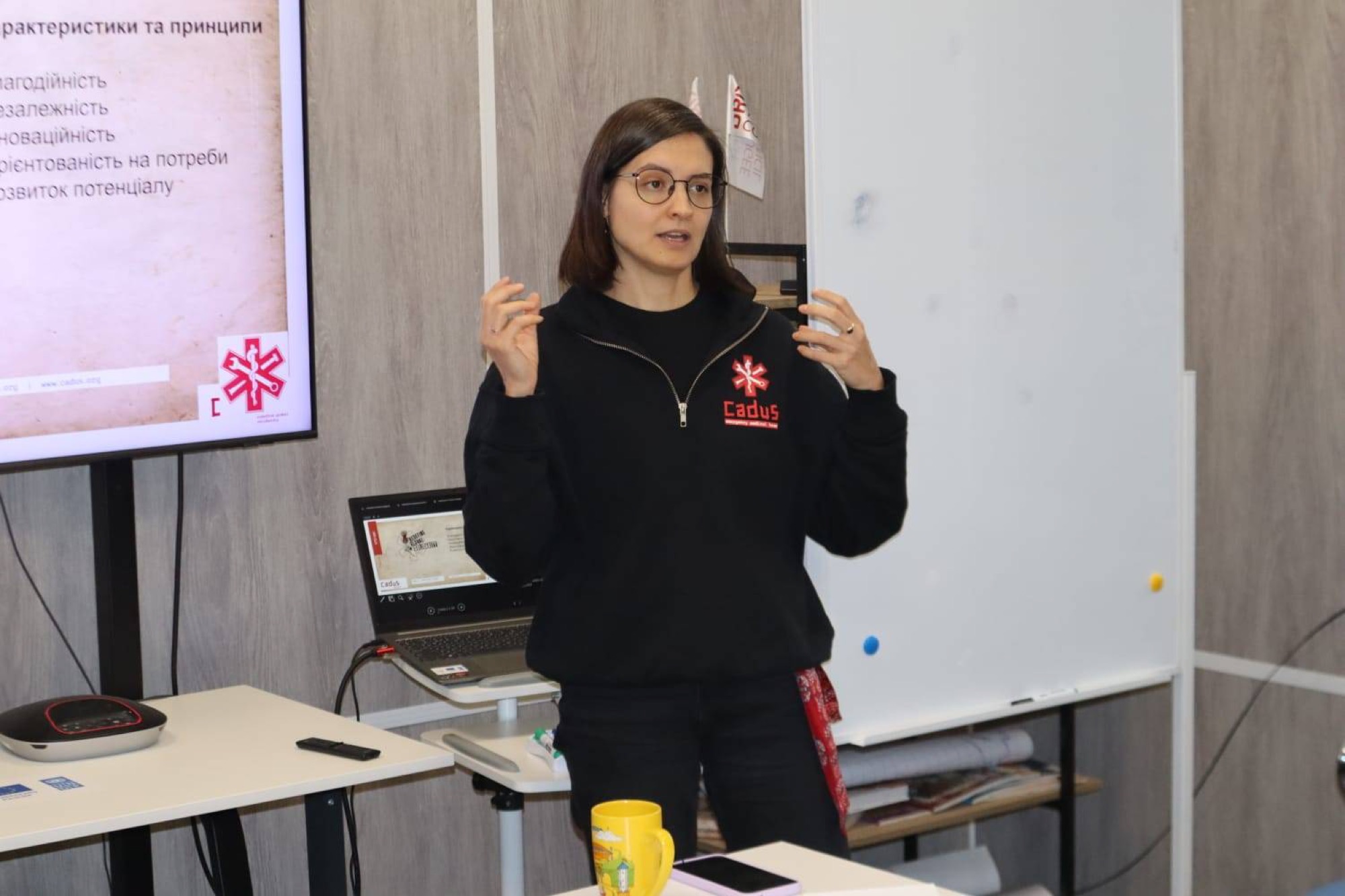
Meet our Team: Nastia, Infield Operations Coordinator in Ukraine
In this interview, we sat down with our Infield Operations Coordinator, Anastasia Vorobyova, in Ukraine to learn more about her background, her day-to-day life on the ground, and what drives her to continue her essential work. She shares her journey from running a language school to joining the humanitarian response, the realities of living in a conflict zone, and the incredible resilience of the people around her.
Monitoring the Patient While the Sky Monitors You.
Medical neutrality becoming psychologically uncertain. The Red Cross, ambulance, hospital, scrubs, or medical role ordinarily signify protection and neutrality. Under persistent surveillance, you may intellectually understand those protections while simultaneously feeling that being identifiable does not necessarily make you safe.
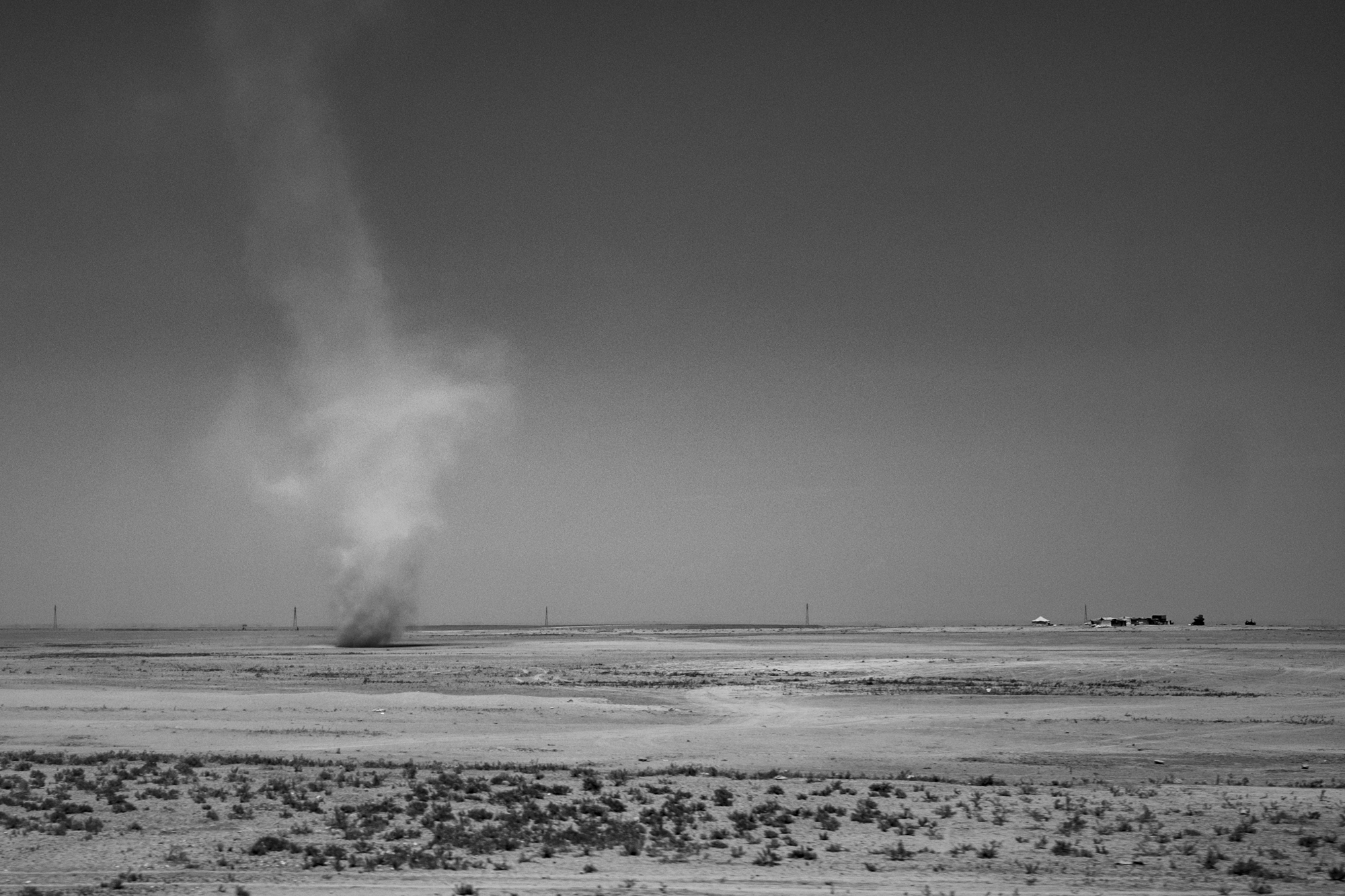
Heat – More than just hot
Climate change will lead to an increase in prolonged heat waves. Yet heat is much more than just a weather phenomenon. It affects our social life, health, the environment, politics, and, very specifically, our operations in crisis areas – and thus becomes a matter of global justice.