Heat – More than just hot
Published on 26. August 2026
from Maja Kleene
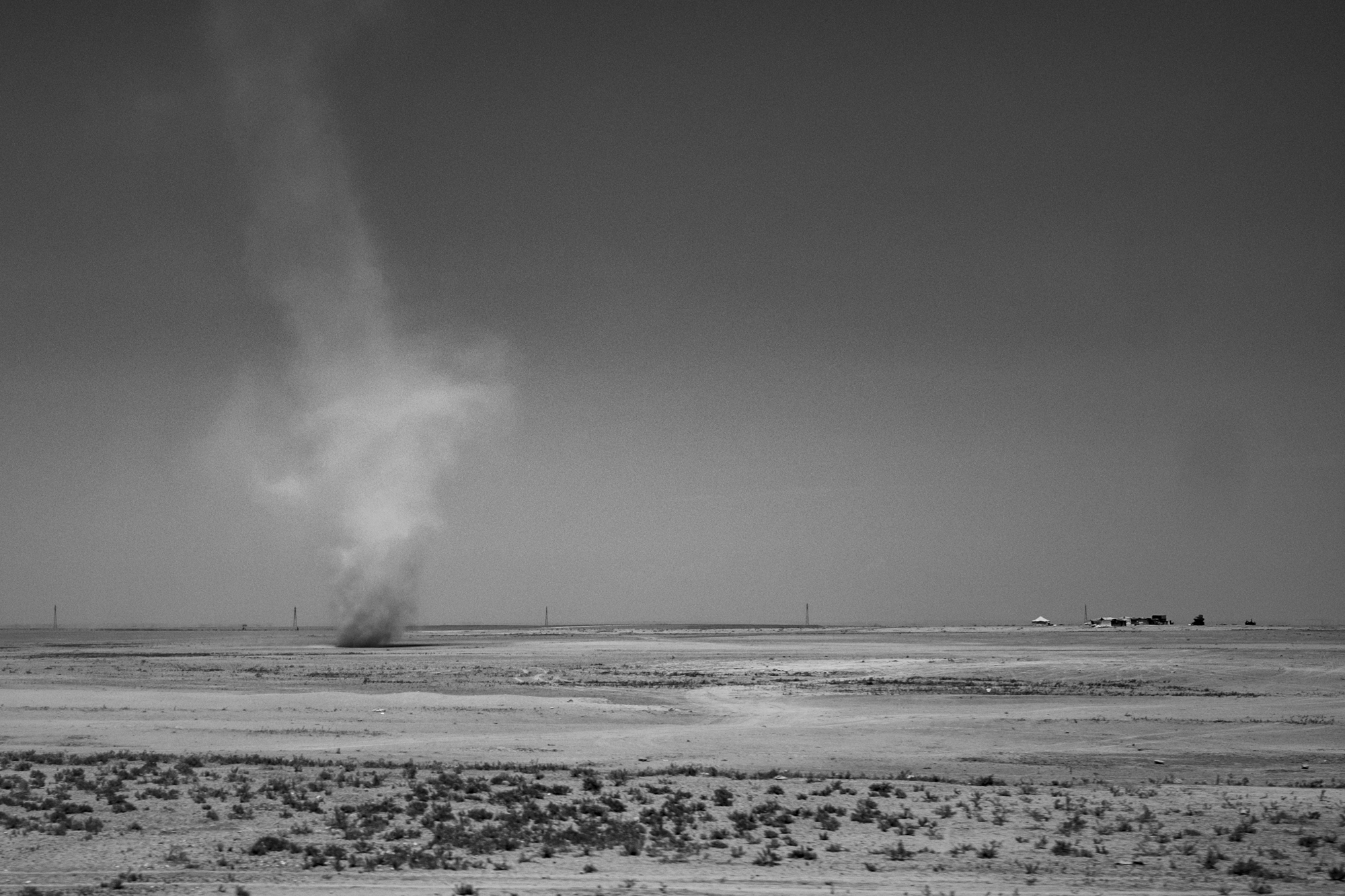
A dust devil swirls up dust in northeastern Syria, 2018. Photo: Christoph Löffler
In the “Under the band-aid” series, we explore the broader contexts and connections of global health that go beyond the acute crisis and the humanitarian aid provided in response to it.
Climate change will lead to an increase in prolonged heat waves. Yet heat is much more than just a weather phenomenon. It affects our social life, health, the environment, politics, and, very specifically, our operations in crisis areas – and thus becomes a matter of global justice.
Heat affects us all, but not everyone to the same extent.
What is a beautiful summer day for some can already be life-threatening for others. The past few weeks have shown how quickly extreme temperatures can become a severe test. According to estimates by the Robert Koch Institute, approximately 12,500 people in Germany have already died as a result of high temperatures. This means the number of heat-related deaths is already higher than the total for any full year since 2016. (Q1, as of August 2, 2026)
Health is not neutral
Dehydration, circulatory problems, exhaustion, and even heatstroke are not uncommon in warm weather. But heat is not only a health risk for individuals; it is also a manifestation of social inequality. Those with poorer living conditions, less social security, or limited access to medical care are often exposed to it earlier and more severely. Older adults, children, pregnant women, people with chronic illnesses, and anyone who does physical labor or lacks a cool place to retreat to are particularly affected. (Q2)
Ecofeminism: How Heat Exposes Inequalities
In many societies, women contribute to climate protection in various ways. On average, they eat less meat, drive less, sort their trash more conscientiously, and are less likely than men to deny climate change. In the event of disasters, however, they are affected more frequently and more severely, as social roles, poverty, and unequal power dynamics limit their ability to act. (Q3)
Pregnant women and older women are considered particularly vulnerable groups. Studies indicate that heat and exposure to fine particulate matter during pregnancy may be linked to adverse birth outcomes such as preterm birth or low birth weight. Heat waves and wildfires can therefore lead to more frequent pregnancy complications. Another risk factor is that extreme weather conditions also contribute to an increase in violence against women. Older women are more likely to live alone and are less likely to have air conditioning because they are more severely affected by poverty. Single mothers face an additional burden when daycare centers and schools close due to heat. Furthermore, women often shoulder a large share of caregiving responsibilities. Those who care for children, elderly relatives, or sick people often have fewer options to seek refuge or relieve their own burden during extreme heat. (Q3)
Heat, then, is not gender-neutral. Ecofeminism therefore also raises the question of who bears the burden of the crisis and who helps shape solutions. Studies have linked a higher proportion of female representatives in parliaments to more ambitious climate policies. This shows that political decisions are always also a matter of power, participation, and gender justice. (Q3)
A self-perpetuating problem
Humanitarian operations often take place under conditions that are already difficult. When extreme temperatures are added to the mix, they pose new challenges for supply, logistics, shelter, and the work of our teams. In crisis areas, heat acts as an amplifier of these problems: The more extreme the conditions, the greater the need for support—and at the same time, the more difficult it becomes to deliver that aid safely and effectively. This affects not only the people on the ground but also our response teams themselves, who are pushed to their limits by the heat, exhaustion, and increasingly scarce resources.
Consequences for our environment
The effects of heat do not stop at national borders. Climate change is driving shifts in ecological conditions and, consequently, in the habitats of plants, animals, and pathogens. Rising temperatures and changing precipitation patterns can contribute to mosquitoes, ticks, and other vectors of infectious diseases spreading into new regions or becoming more common. This does not mean that every heat wave automatically causes new disease outbreaks. But it can increase the risk of such outbreaks and exacerbate existing vulnerabilities. Especially in places where health care systems, early warning systems, and infrastructure are already under strain, such changes can quickly become a serious problem. (Q4)
 The increasingly intense and prolonged heat waves will pose enormous challenges for us worldwide in the future. Photo: CADUS
Heated debates
When the environment changes, it also has political consequences. Heat waves, droughts, and other climate-related events can destabilize people’s livelihoods, complicate the supply of essential goods, and affect mobility. Migration is not a standalone consequence of climate change, but rather usually arises from the interplay of ecological, economic, social, and political factors. (Q5)
Historically, the main causes of global warming lie primarily in industrialized countries, which have produced particularly high emissions over decades. At the same time, many countries in the Global South are already clearly feeling the far-reaching consequences today. This is precisely where the double injustice lies: Those who have contributed the least to the crisis are often the hardest hit, and at the same time, they often have fewer resources for protection, adaptation, and basic needs. That is why climate change is not just an environmental or health issue, but also a matter of global responsibility, solidarity, and humanitarian duty. (Q6)
The price of inaction
The costs of the heat are most evident in areas where productivity and absenteeism are often discussed. A recent analysis by the AOK shows that even a single day of heat with temperatures above 30 degrees is associated with an increase of about 3.5% in sick leave. Those particularly affected include workers in agriculture, transportation, and the construction industry—precisely those who are indispensable for supply chains, infrastructure, and protective measures. (Q7) At the same time, sick leave is treated as if it were primarily an individual or economic problem. People do not get sick because they are shirking their responsibilities, but because extreme heat imposes real limits on their health. This raises a more fundamental question: How much productivity can be expected from people when working and living conditions are increasingly hazardous to their health?
Eat everything on your plate, or the sun won’t shine tomorrow…
… is actually ironic in this context. Extreme heat and prolonged drought are putting increasing pressure on agriculture in Germany. According to the German Raiffeisen Association, several million metric tons of grain and rapeseed have already been lost since mid-June. Total revenue losses of about 600 million euros are expected. (Q8, Q9) While this does not automatically jeopardize the food supply, crop failures can drive up prices, place an economic burden on farms, and increase dependence on imports. If such extreme weather events become more frequent in the future, the question of what ends up on our plates—and whether everyone can afford a balanced diet—will depend increasingly on climatic conditions. (Q8) And one thing is clear: it’s not the people who ate the most who end up paying the bill.
When temperatures throw even traffic off schedule
In Leipzig, an unusual consequence of the ongoing heat wave has become apparent in recent weeks—one that likely no one had anticipated. Tram service had to be completely suspended at times because, with temperatures reaching 40 degrees, the joint material in the rail network liquefied, blocking switches and preventing safe operation. (Q10)
This example gives only a glimpse of how abstract and intertwined the consequences of a lack of heat protection will be in the future. Those who fail to invest sufficiently in climate adaptation and health protection today will have to pay more tomorrow for illnesses, crop failures, repairs, lost workdays, and humanitarian aid.
Conclusion
Heat does not affect people randomly, but rather along existing lines of inequality, thereby highlighting just how closely our climate, economy, health, and humanitarian work are intertwined. That is precisely why we need public awareness campaigns, new protection strategies, and policies that consistently take health into account.
At CADUS, we do not want to instill fear; rather, we want to help people understand the big picture and focus on responsibility. What matters most is the collective will not only to respond to crises but also to prevent them early on.
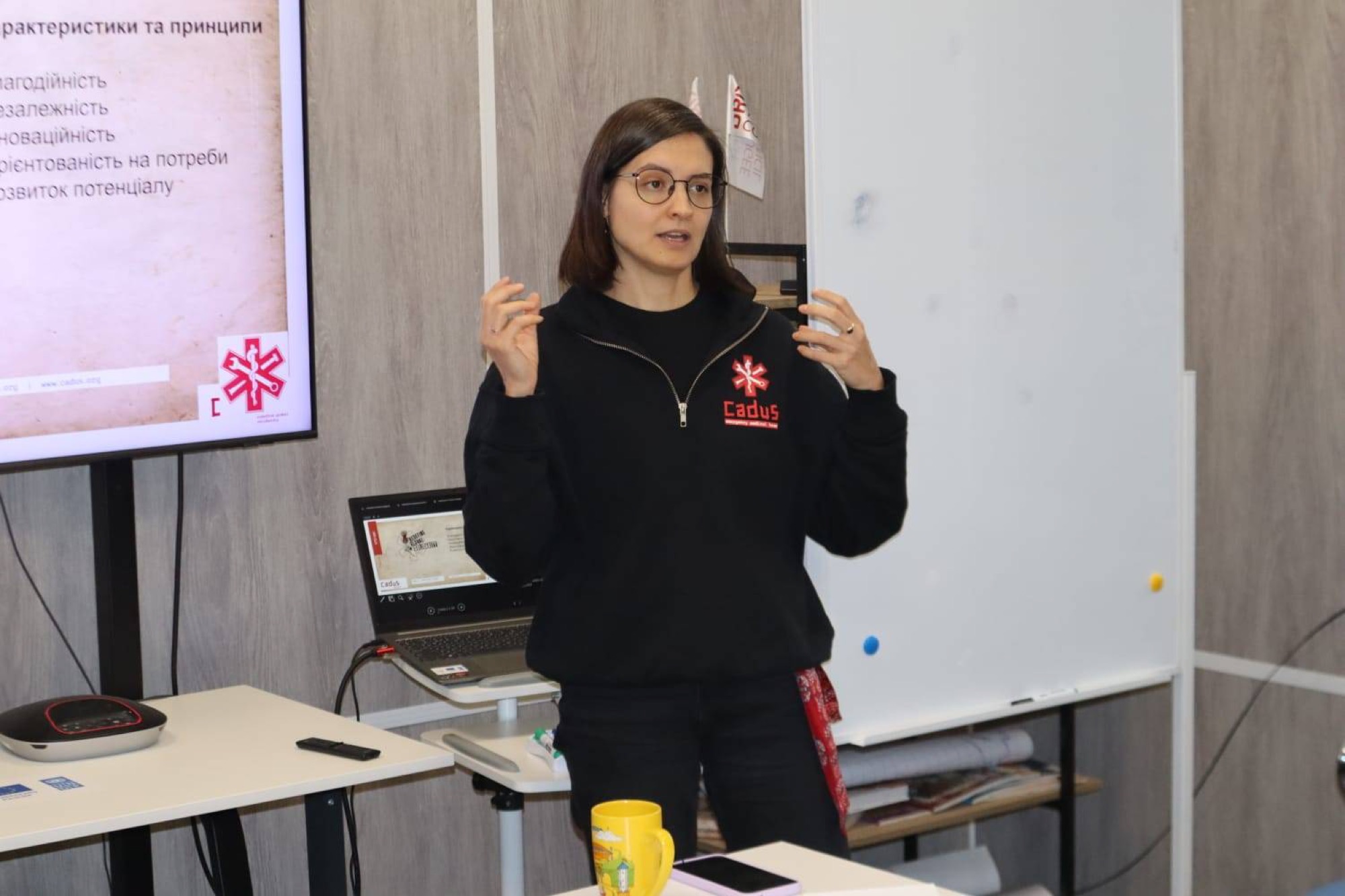
Meet our Team: Nastia, Infield Operations Coordinator in Ukraine
In this interview, we sat down with our Infield Operations Coordinator, Anastasia Vorobyova, in Ukraine to learn more about her background, her day-to-day life on the ground, and what drives her to continue her essential work. She shares her journey from running a language school to joining the humanitarian response, the realities of living in a conflict zone, and the incredible resilience of the people around her.
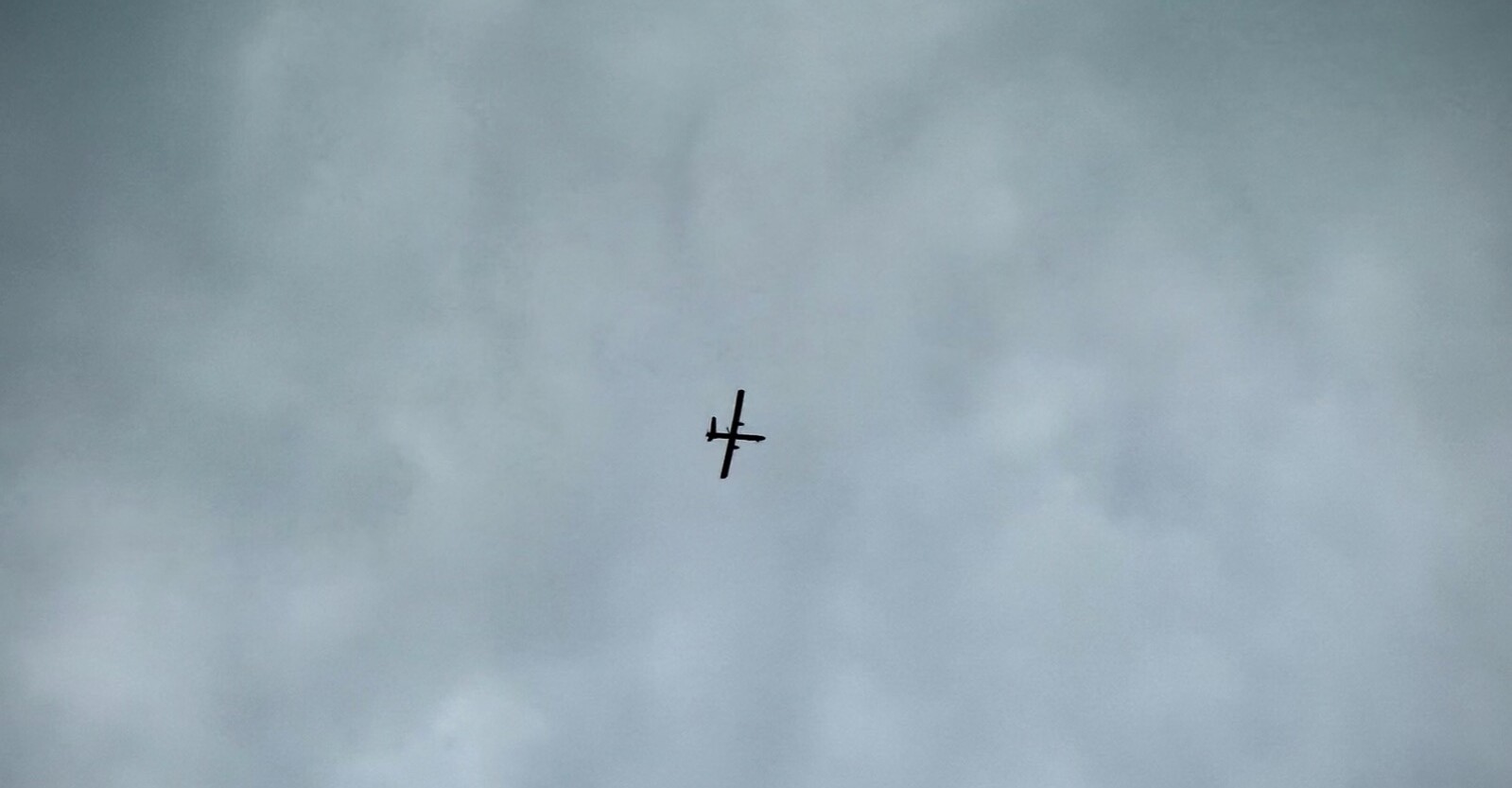
Monitoring the Patient While the Sky Monitors You.
Medical neutrality becoming psychologically uncertain. The Red Cross, ambulance, hospital, scrubs, or medical role ordinarily signify protection and neutrality. Under persistent surveillance, you may intellectually understand those protections while simultaneously feeling that being identifiable does not necessarily make you safe.
Heat – More than just hot
Climate change will lead to an increase in prolonged heat waves. Yet heat is much more than just a weather phenomenon. It affects our social life, health, the environment, politics, and, very specifically, our operations in crisis areas – and thus becomes a matter of global justice.