Update on Venezuela
Published on 30. June 2026
from Jonas Grünwald
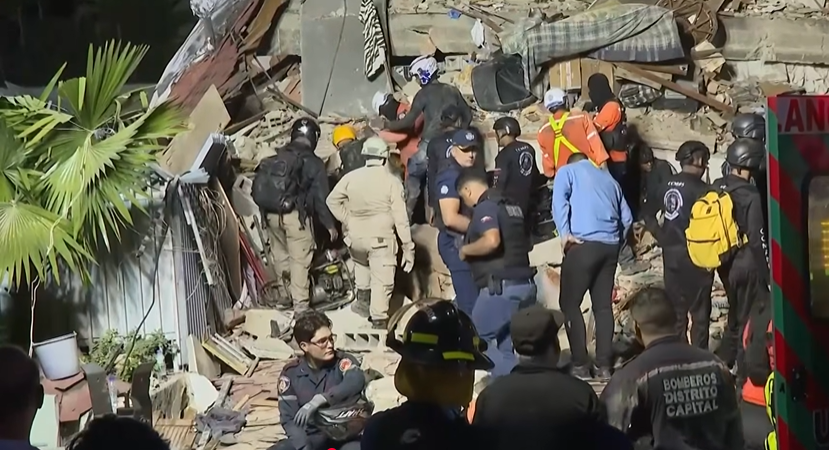
We are ready to launch our Venezuela response to support medical care in the wake of the devastating earthquake. Here is an update.
It has been six days since the severe earthquakes struck Venezuela. The situation remains unclear. More than 1,700 deaths have been confirmed so far, and estimates put the number of people still missing at more than 50,000. Despite all the efforts of rescue workers, hope is fading that any survivors can still be pulled from the rubble.
Meanwhile, the healthcare system, which was already struggling before the earthquake, is under severe strain as it works to care for more than 5,000 injured people. Hospitals have been damaged, and local staff are facing a double burden due to the personal impact of the earthquake and the additional patients.
This is exactly where we can help: with specialized patient transport (MedEvac) or by expanding a local emergency room to include six treatment stations, including four intermediate care beds and two for intensive care patients.
We are deliberately keeping our preparations flexible so that we can respond quickly to changing needs on the ground.
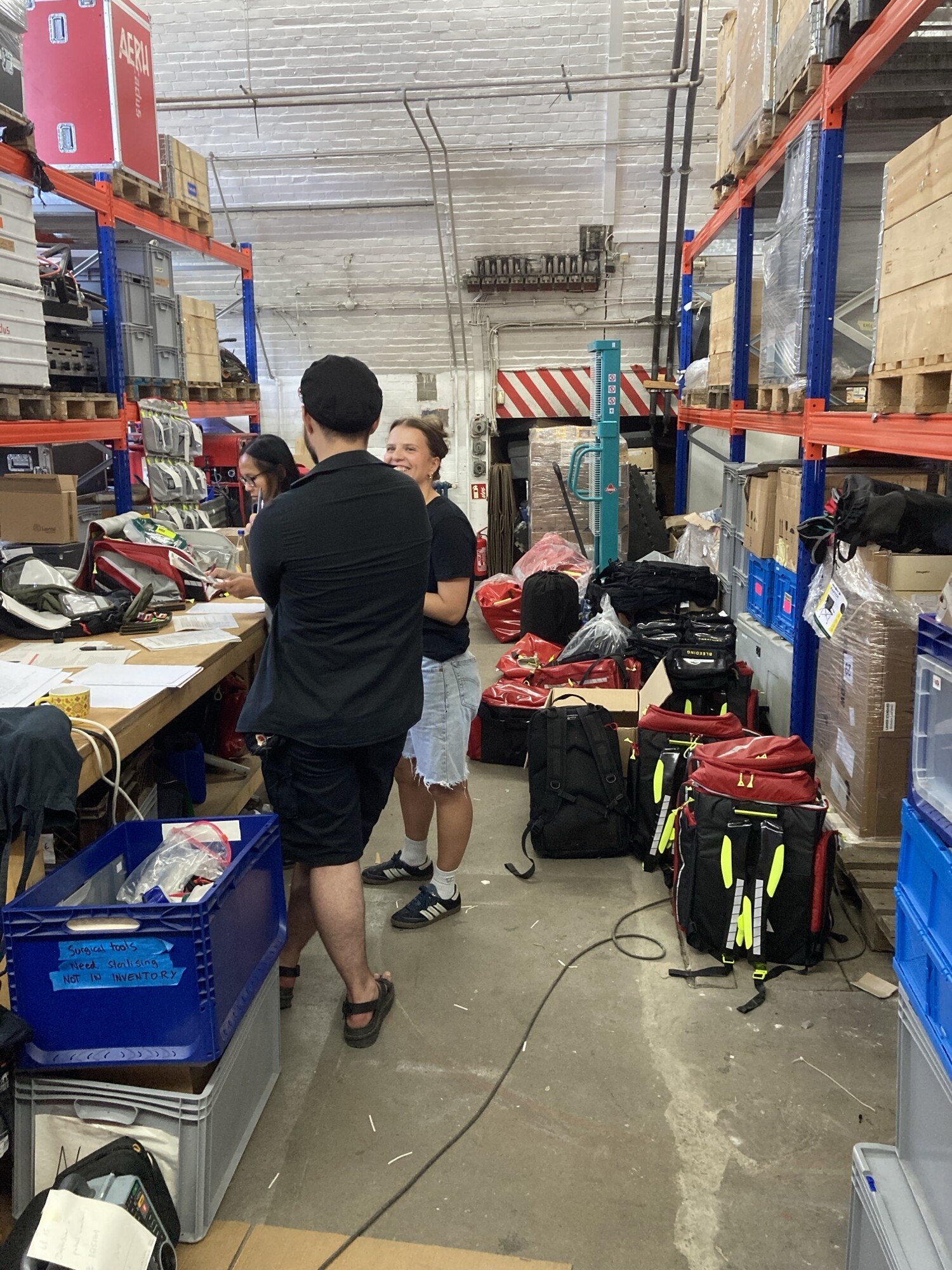
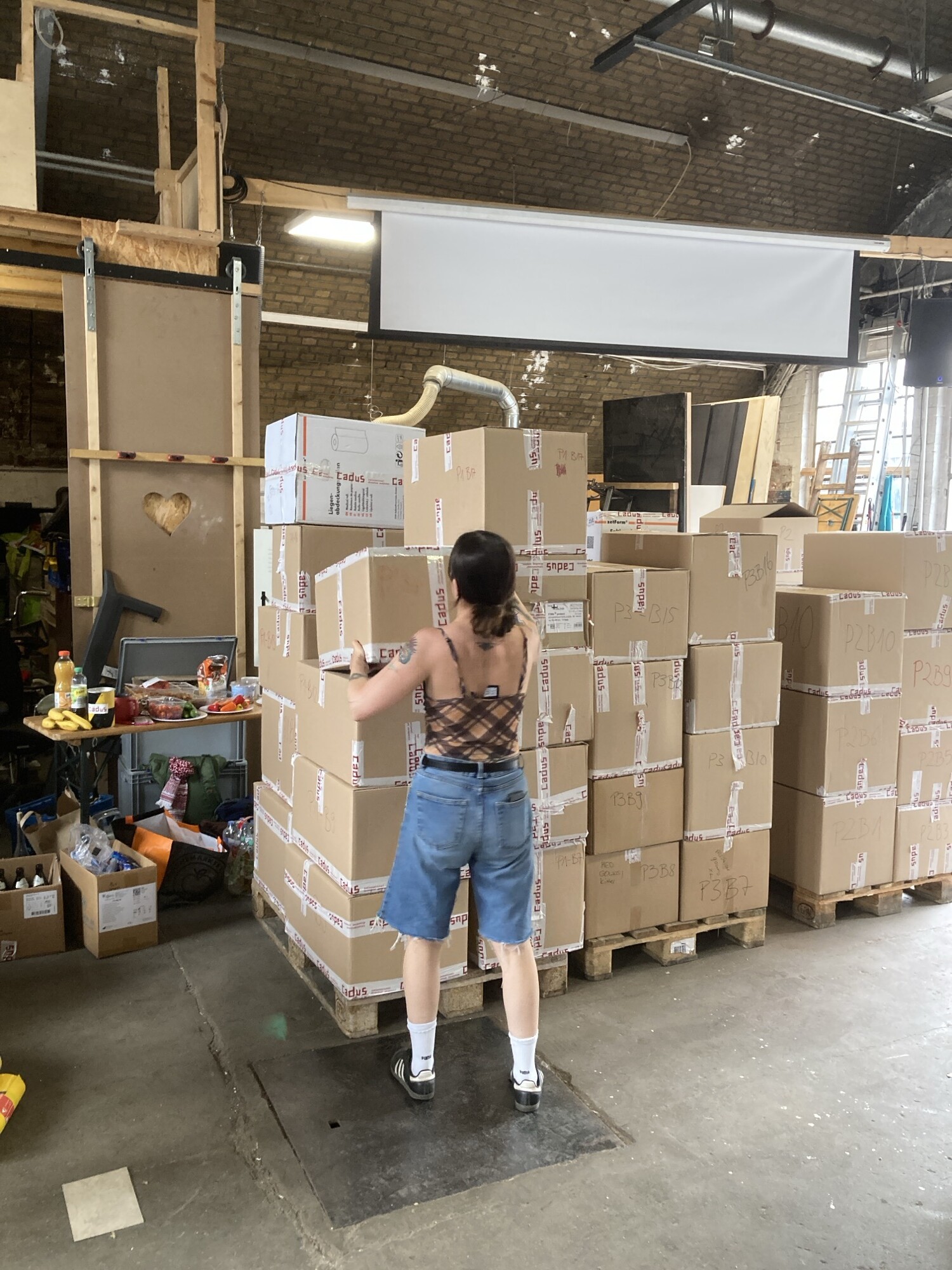
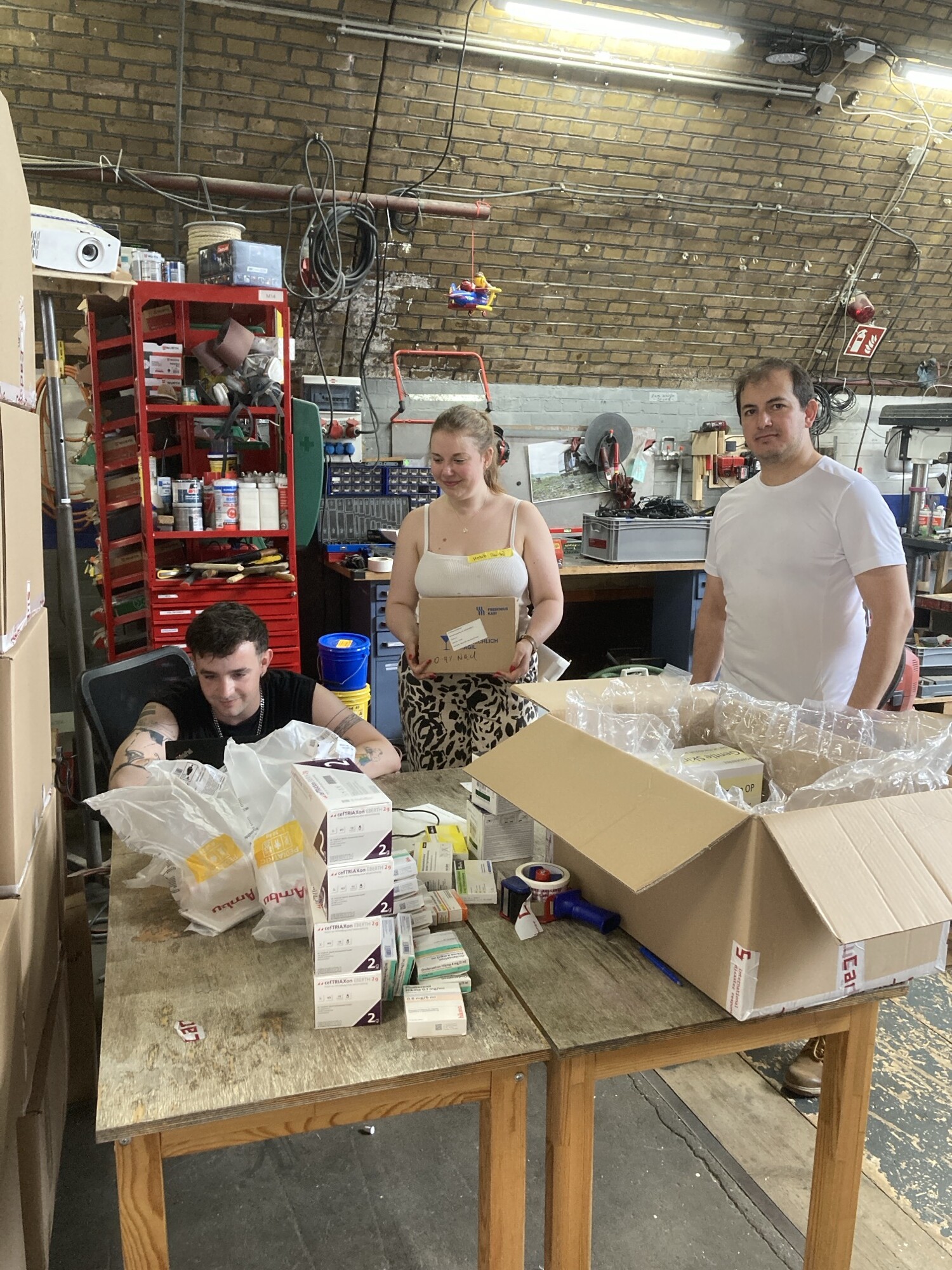
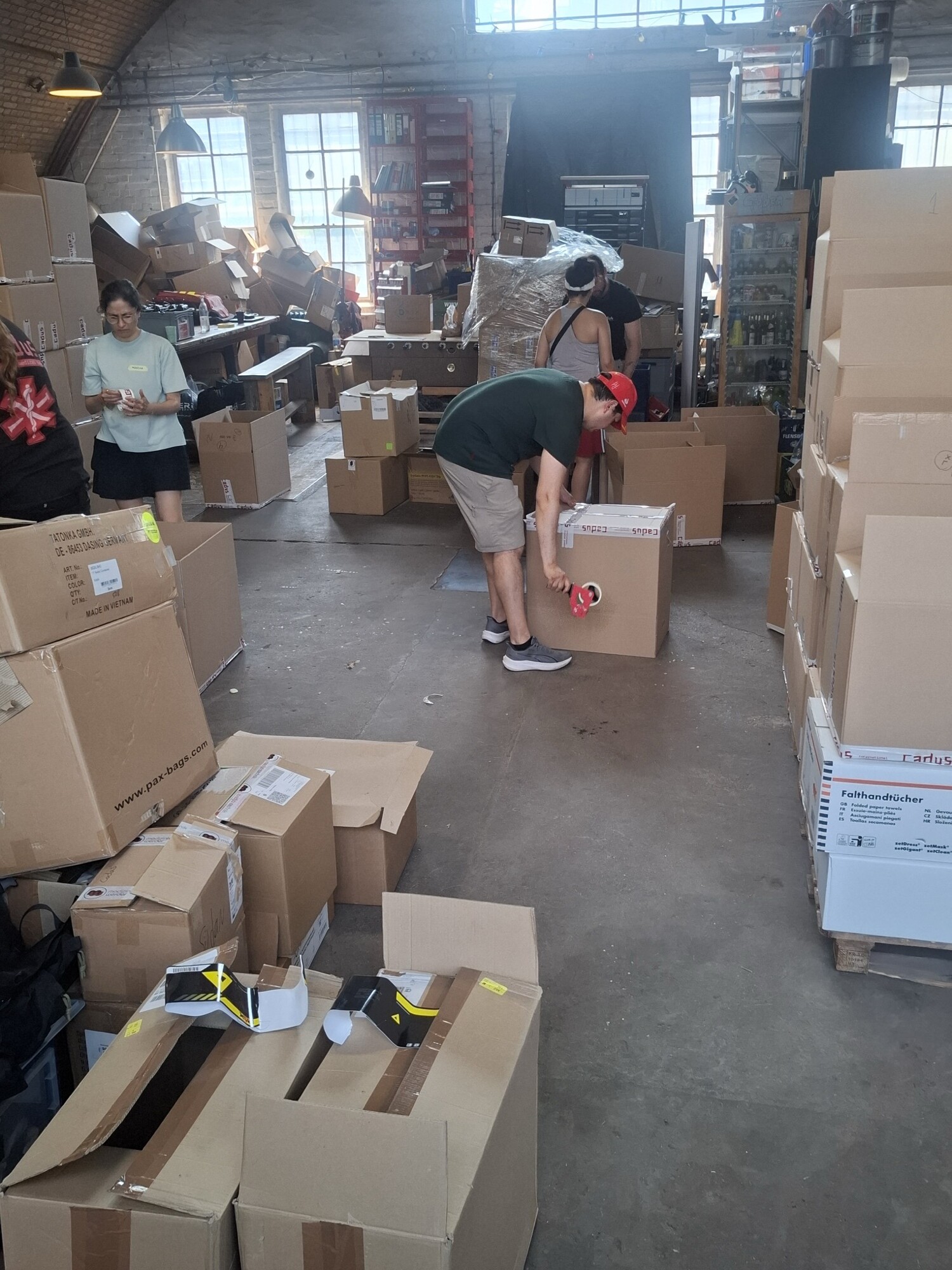
Despite the heat over the past few days, many volunteers stepped in at the last minute to help us sort and pack the relief supplies. Thank you very much! Photo: CADUS
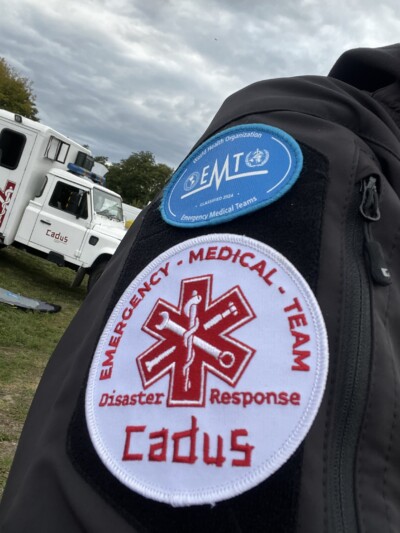
We have submitted our offer of support to the Venezuelan Ministry of Health through the WHO’s EMT mechanism and are currently awaiting a response from local authorities.
At the same time, with the help of many volunteers, we have already packed medical equipment and supplies, medications, technical equipment, and food for the team. In addition we are putting together a team so that, following what we hope will be a positive response, we can immediately begin our mission to assist the people of Venezuela.
Monitoring the Patient While the Sky Monitors You.
Medical neutrality becoming psychologically uncertain. The Red Cross, ambulance, hospital, scrubs, or medical role ordinarily signify protection and neutrality. Under persistent surveillance, you may intellectually understand those protections while simultaneously feeling that being identifiable does not necessarily make you safe.
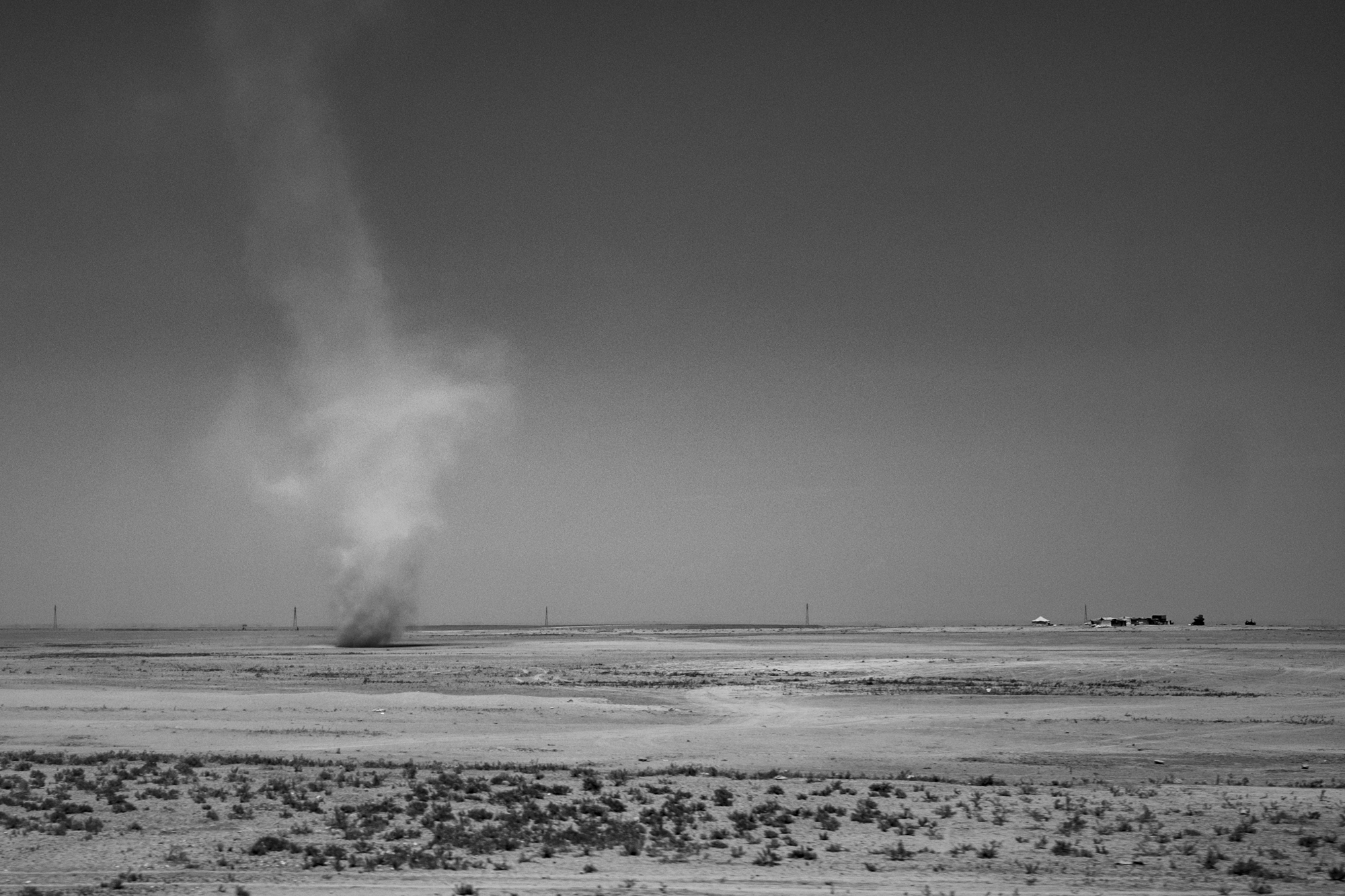
Heat – More than just hot
Climate change will lead to an increase in prolonged heat waves. Yet heat is much more than just a weather phenomenon. It affects our social life, health, the environment, politics, and, very specifically, our operations in crisis areas – and thus becomes a matter of global justice.
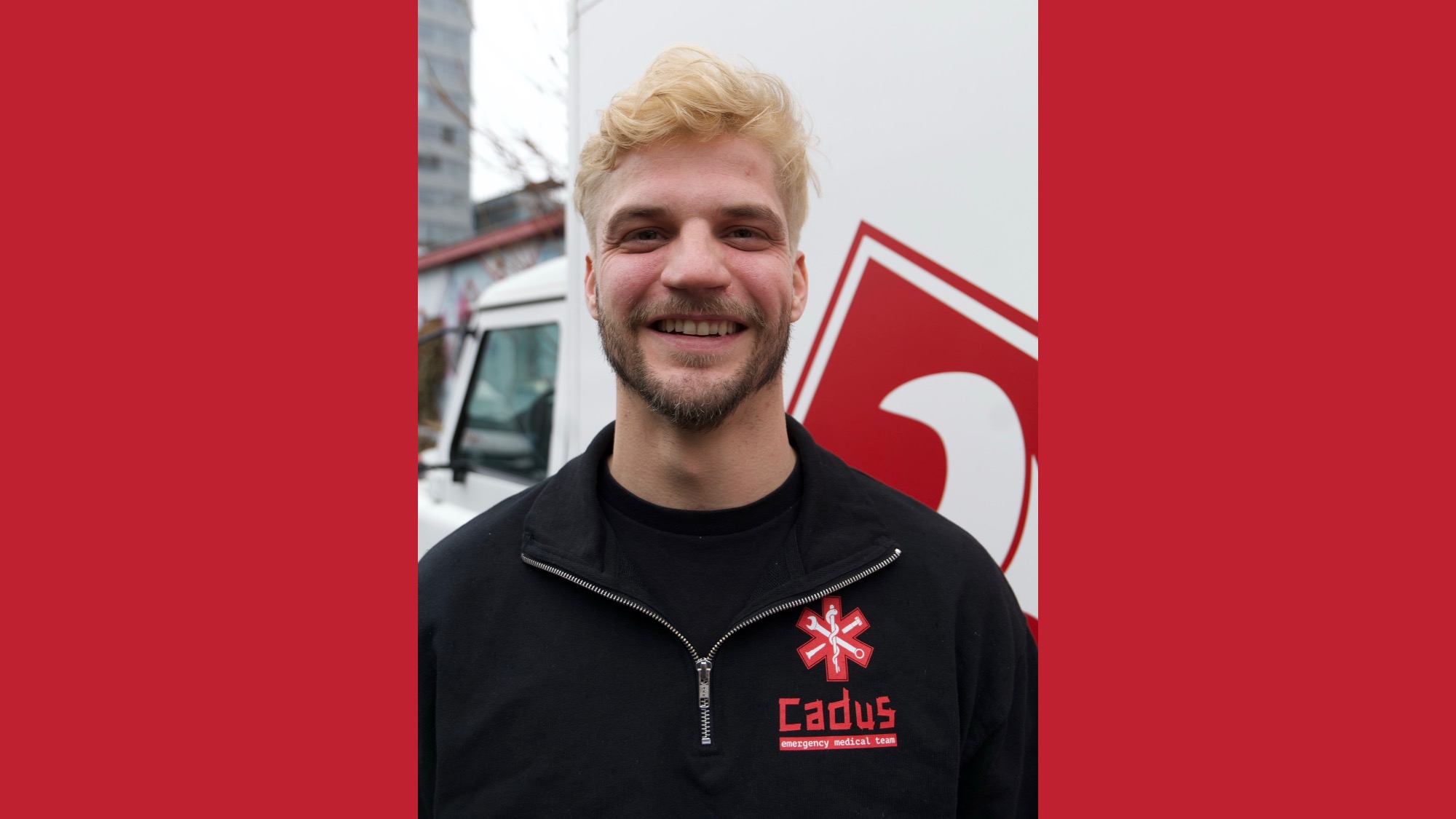
Meet Our Team: Felix, Head of Finance
Behind every humanitarian response in a crisis zone is a team based in Berlin that ensures everything runs smoothly. One of them is our colleague Felix. He has been with CADUS for two years, and for over a year he has been leading our financial management as Head of Finance. In this interview, he explains how he and his team bridge the gap between the German tax office and the reality on the ground in a war zone.