COVID-19 response: Masks in Northeast Syria
Published on 14. January 2022
from CADUS-PR
covid-19-response-masken-in-nordostsyrien-feature-masksfornortheastsyria
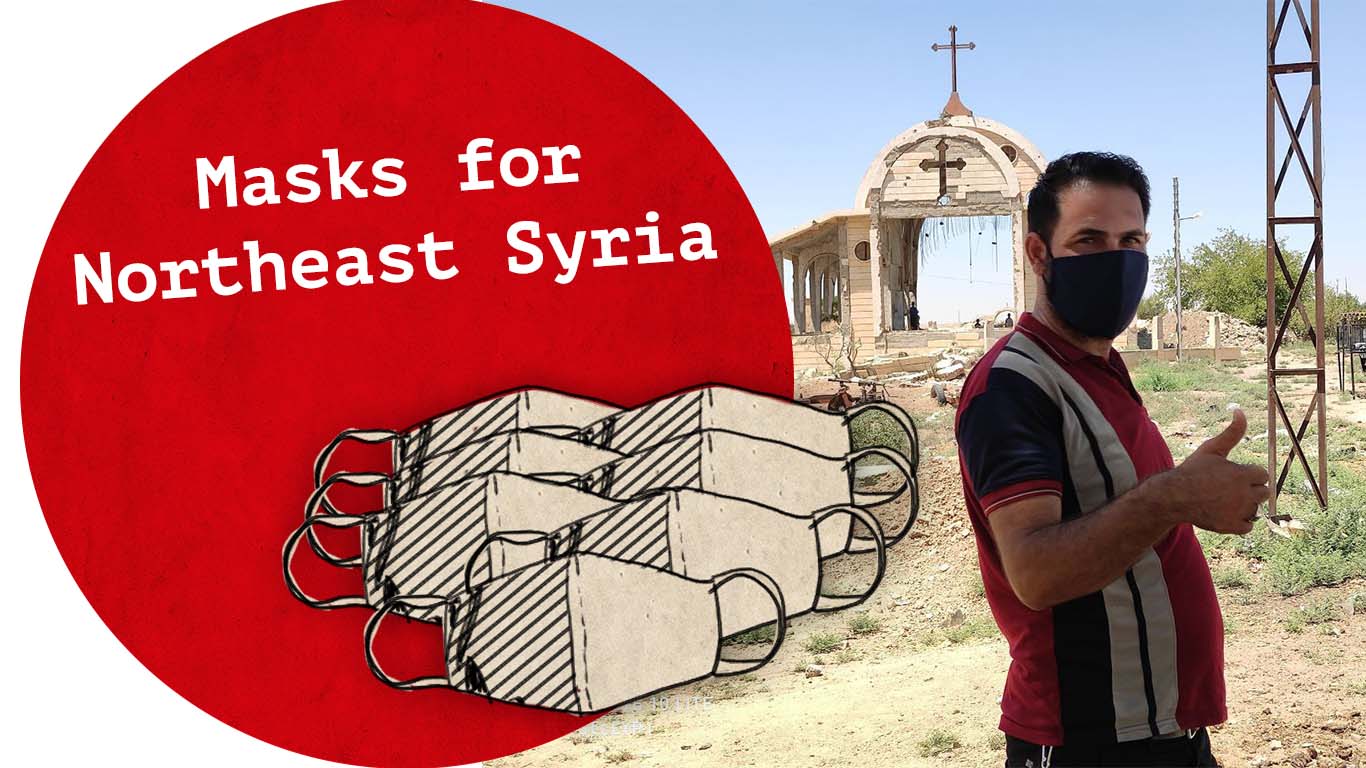
Due to sanctions and limited aid supplies, there is a mask shortage in northeast Syria. While Covid-19 infection rates are rising, people have little opportunity to protect themselves against it. We produce masks at local workshops and then distribute them to people in Tal Tamr and surrounding communities.
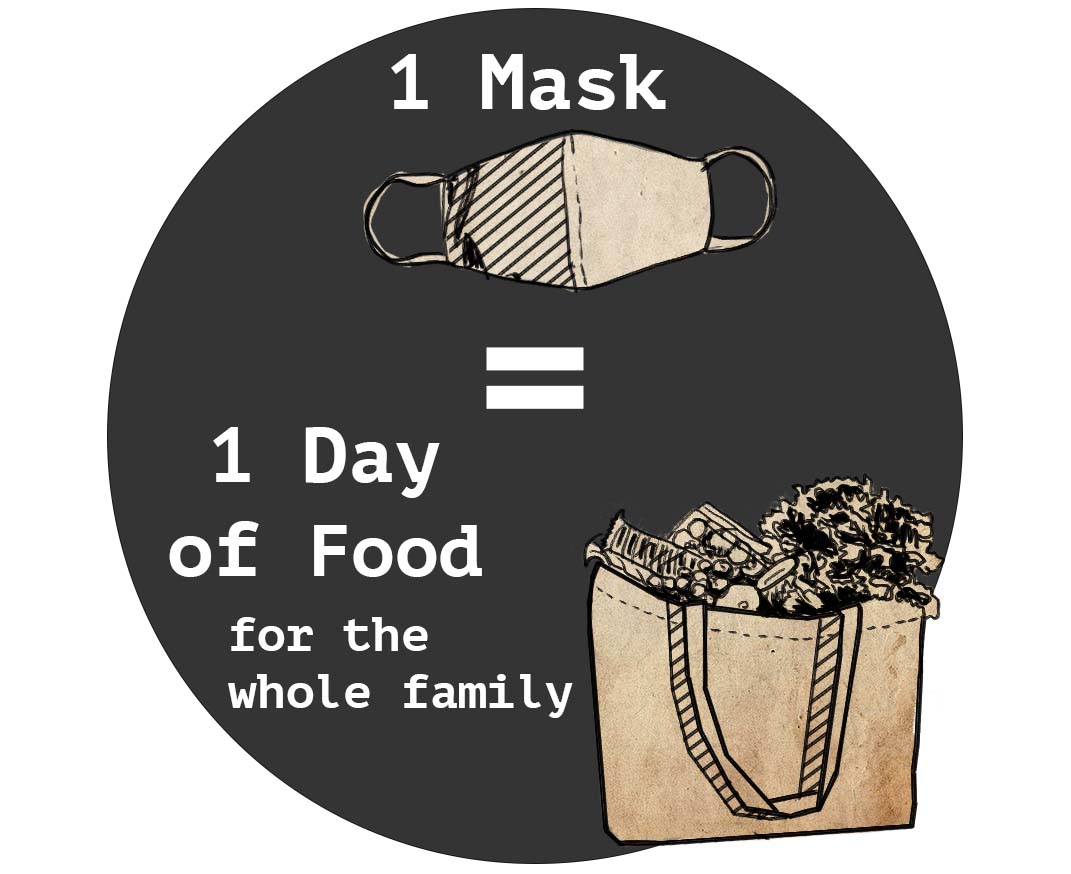
In northeastern Syria, everyday masks are in short supply and very expensive. As a preventive measure against corona, we have therefore already had over 13,400 masks produced by local seamsters and seamstresses and distribute them to the population.
Economic crisis as a health risk
The precarious economic situation in Northeast Syria and the inflation and sanctions on imports mean that medical or everyday masks are a very rare and expensive commodity. In a population where 80% of people live below the poverty line, families often have to choose between putting food on the table or buying masks when they go shopping.
Viele Menschen sind aus ihren Heimatorten vertrieben worden und leben in überfüllten Unterkünften, in denen Abstand halten kaum möglich ist. Auch die sanitäre Versorgung lässt in solchen Orten kaum zu, sich an die Hygieneregeln zu halten.
Masks from Syria for Syria
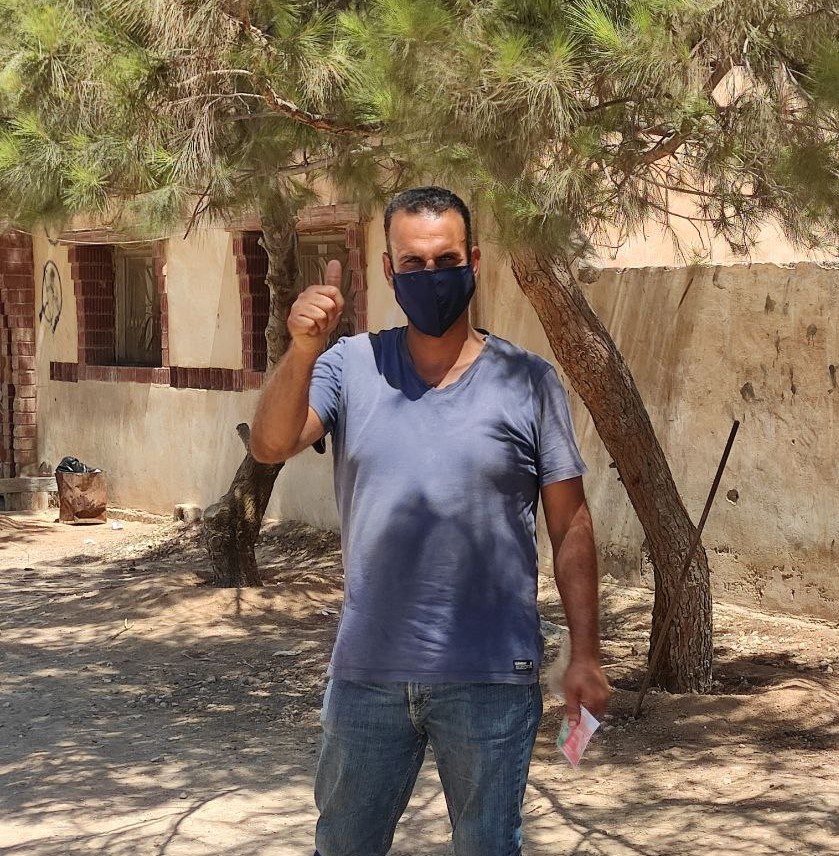
The easy solution, simply sending a lot of medical masks to northeast Syria to solve the problem is unfortunately not possible. Sanctions prohibit the import of large quantities of such goods and both transport costs and additional effort would not have been affordable for us. Therefore, we joined forces with local health structures such as the Tal Tamr Municipal and Health Council (our local partners) and arranged for the local production of everyday masks. Sewers were guided by medical professionals and were able to produce 13,500 masks so far. Health workers in the city of Tal Tamr distribute the masks in hygiene packs with detailed instructions for use to the population of the city and surrounding communities. In addition, our staff conducts on-site hygiene training with employees of the local health council.
Progress of the project
We started the project in October 2020 and were able to produce 8,000 masks at the beginning through funding from the Lush Charity Pot.
After our own fundraising campaign, we were able to have another 4,450 masks re-produced in July 2021.
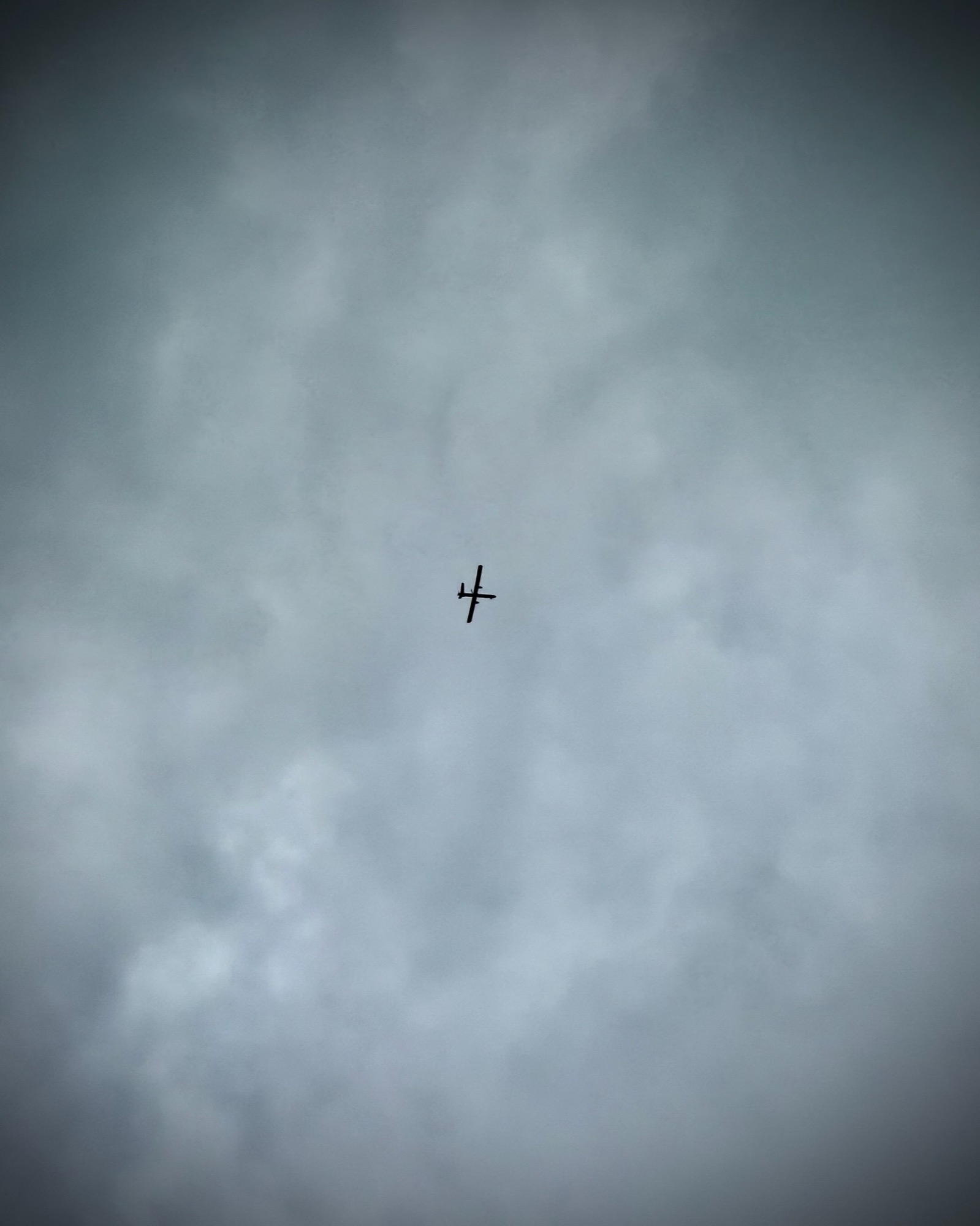
Monitoring the Patient While the Sky Monitors You.
Medical neutrality becoming psychologically uncertain. The Red Cross, ambulance, hospital, scrubs, or medical role ordinarily signify protection and neutrality. Under persistent surveillance, you may intellectually understand those protections while simultaneously feeling that being identifiable does not necessarily make you safe.
Heat – More than just hot
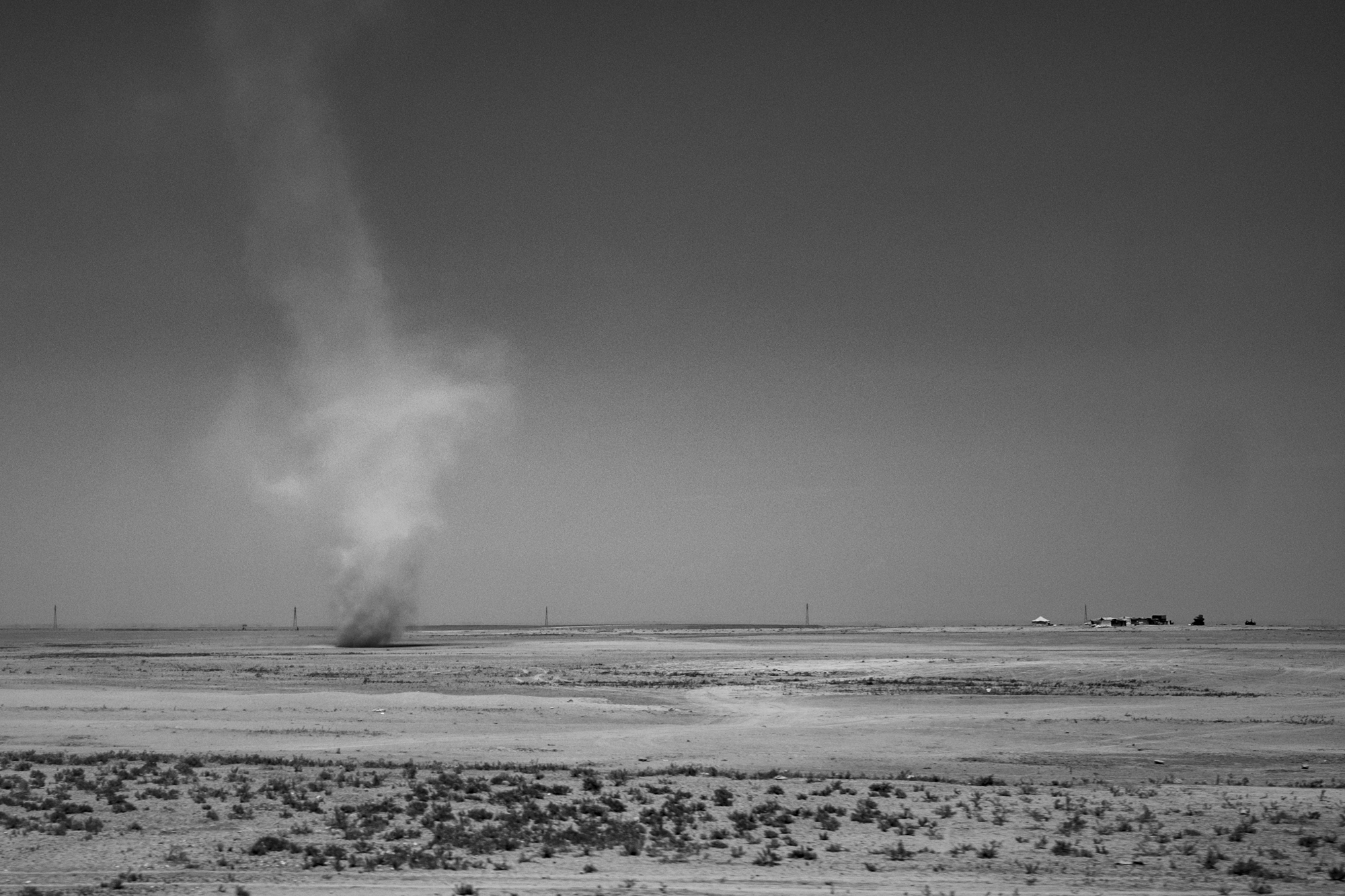
Climate change will lead to an increase in prolonged heat waves. Yet heat is much more than just a weather phenomenon. It affects our social life, health, the environment, politics, and, very specifically, our operations in crisis areas – and thus becomes a matter of global justice.
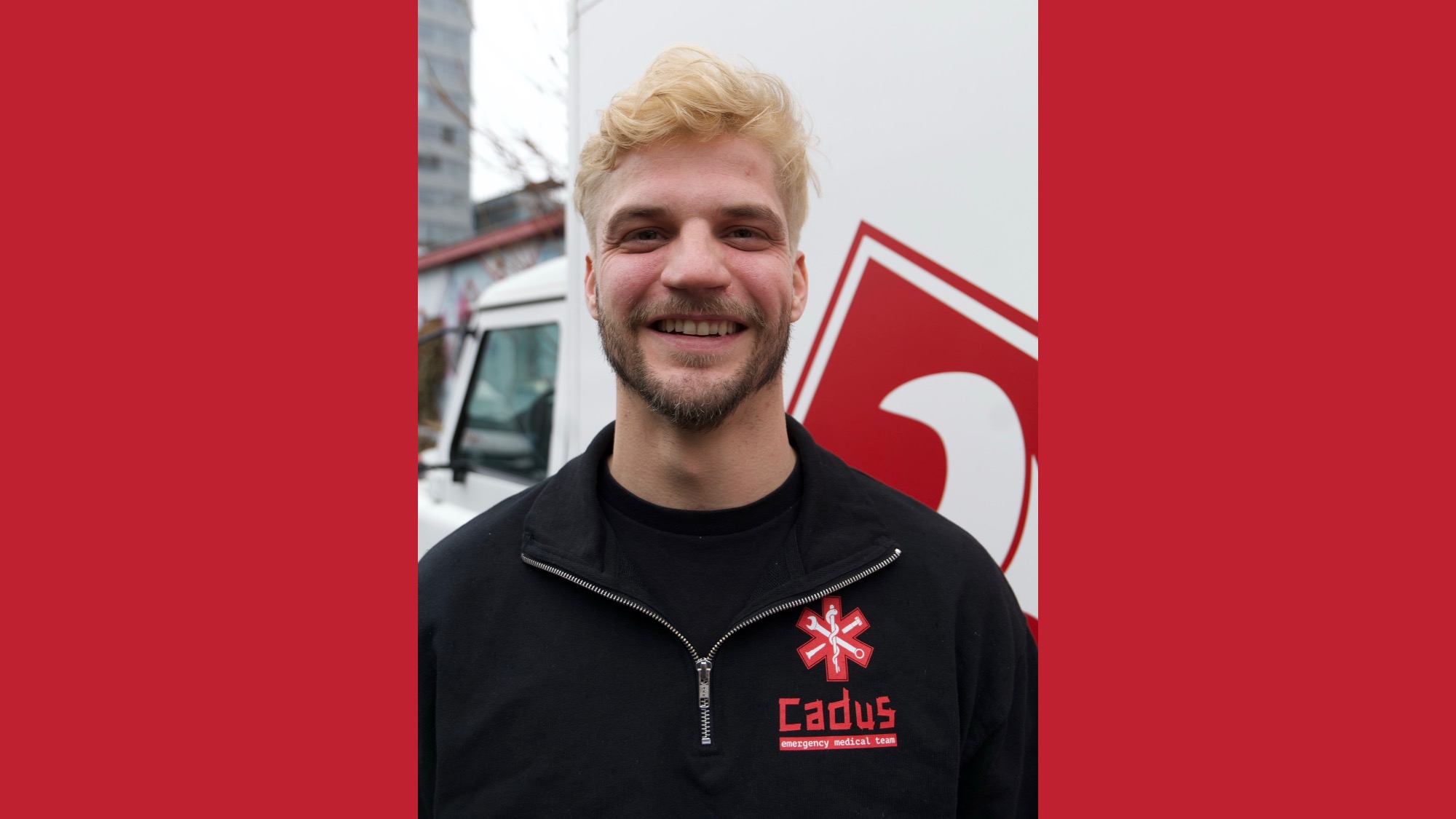
Meet Our Team: Felix, Head of Finance
Behind every humanitarian response in a crisis zone is a team based in Berlin that ensures everything runs smoothly. One of them is our colleague Felix. He has been with CADUS for two years, and for over a year he has been leading our financial management as Head of Finance. In this interview, he explains how he and his team bridge the gap between the German tax office and the reality on the ground in a war zone.