Swiftwater Training – Two Testimonials
Published on 19. June 2026
from Jonas Gruenwald
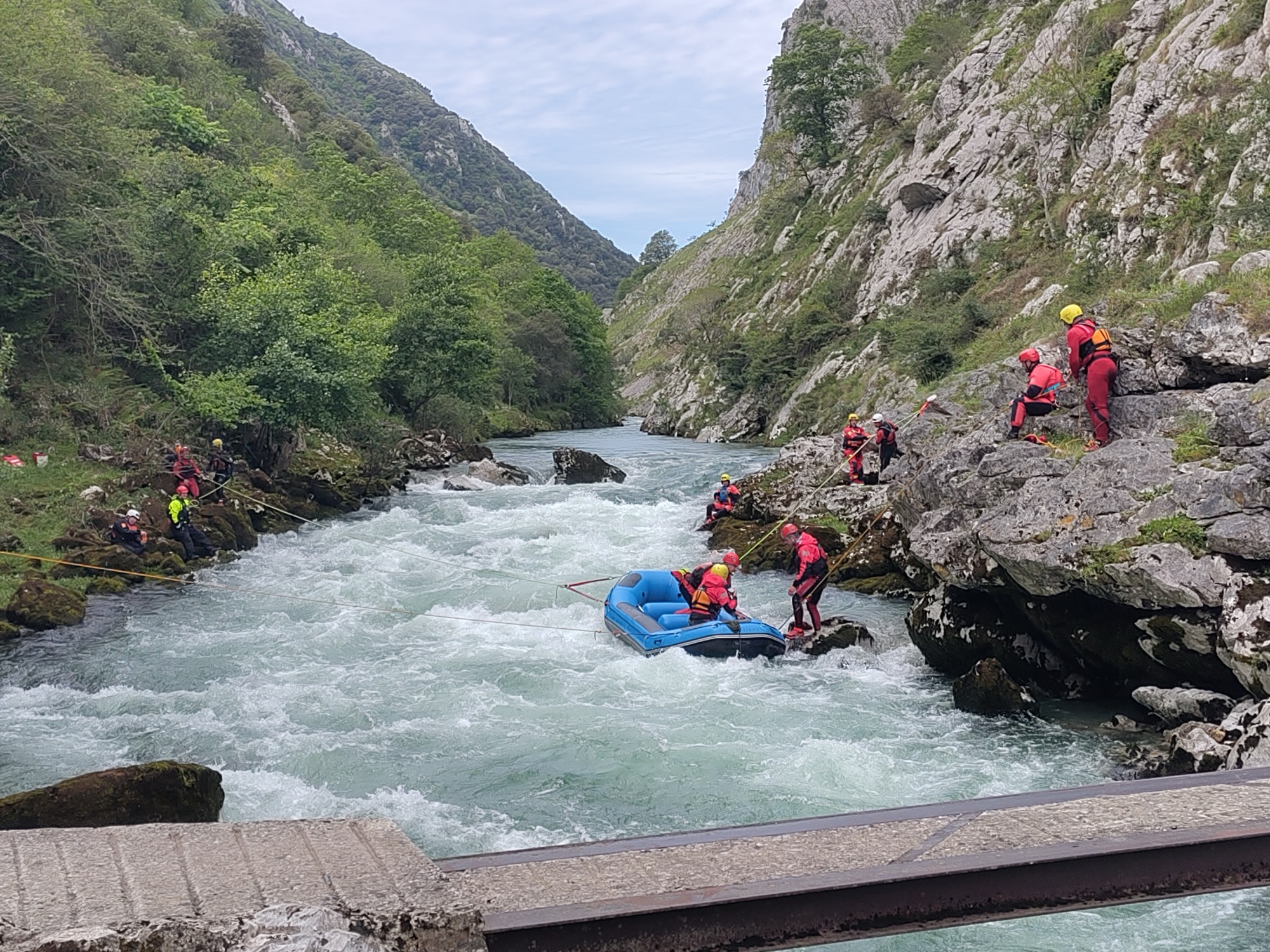
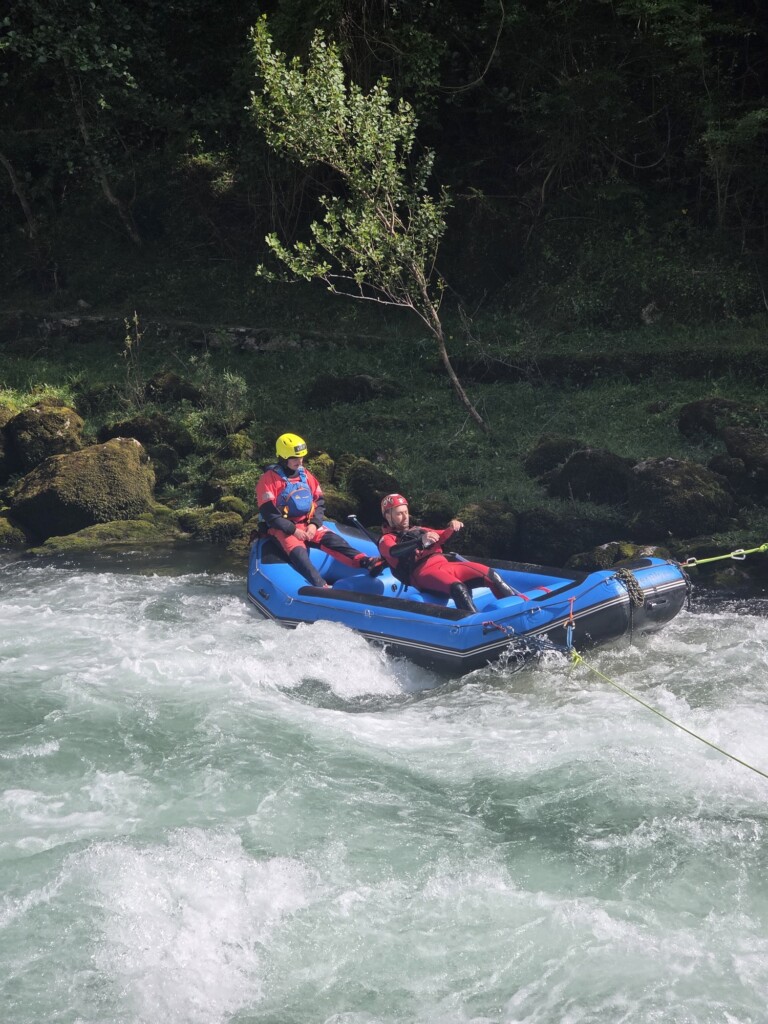
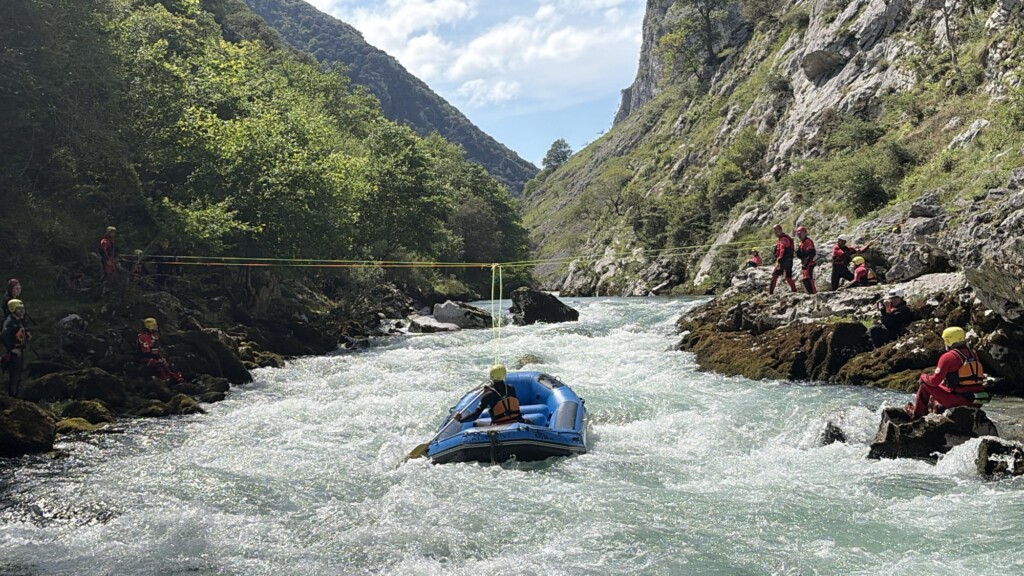
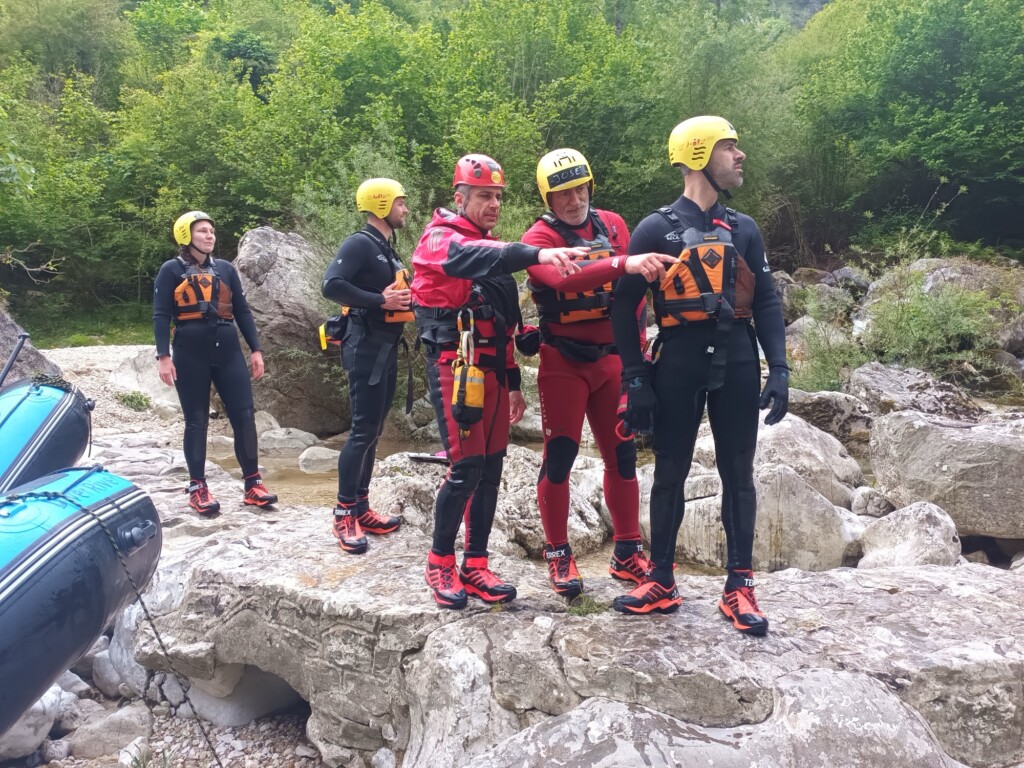
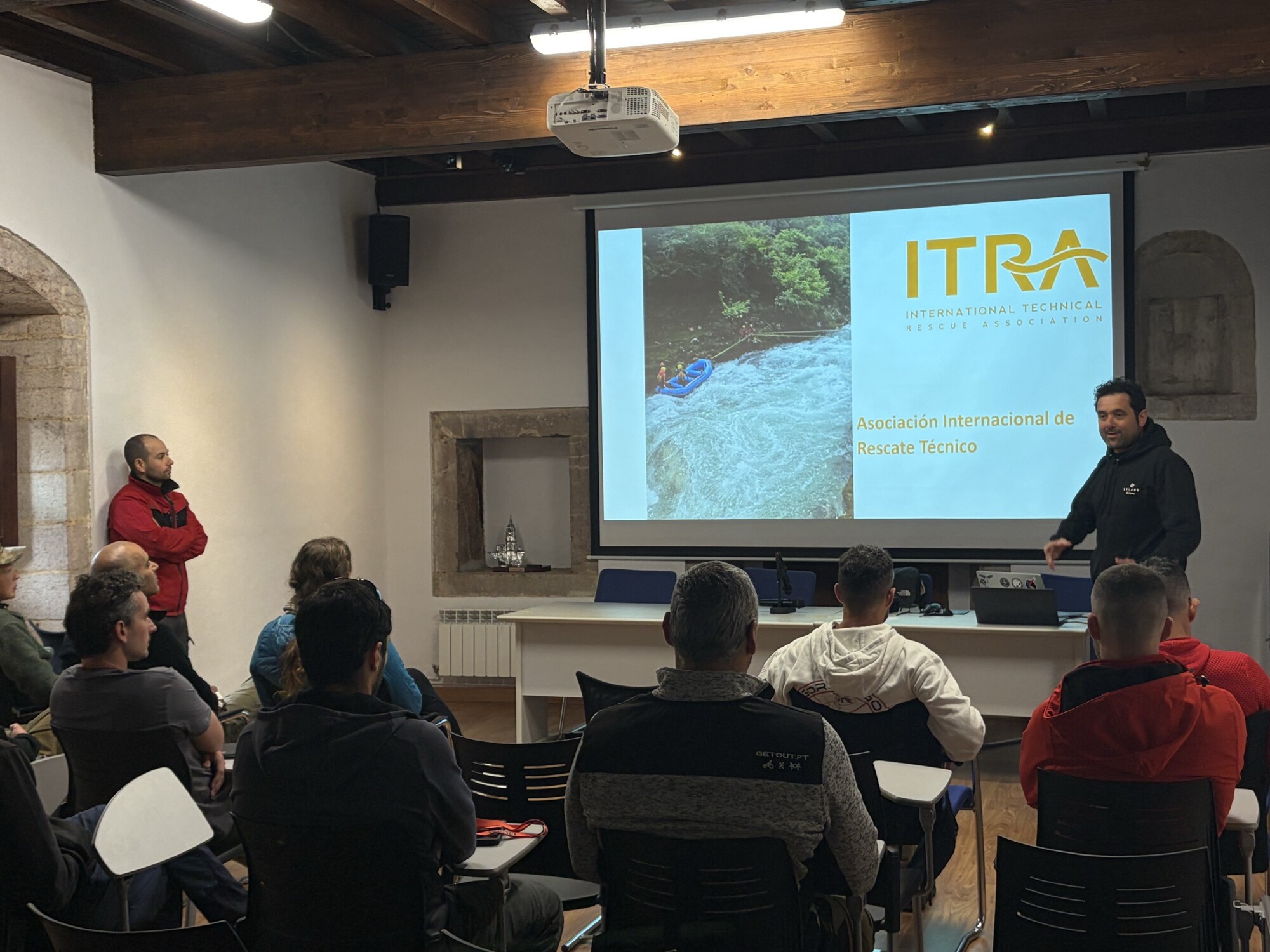
As a result of climate change, extreme weather events and flooding will increase worldwide. As part of our Climate Emergency Responder program, four CADUS volunteers therefore participated in a training course for instructors for swiftwater rescue. Sanne and Laura share their experiences with whitewater here.
The Changing Nature of Moving Water
by Sanne
My biggest takeaway from the swiftwater training was how quickly moving water changes the entire risk picture. Even situations that may look manageable from the riverbank can become complex once current, cold water, debris, communication, and rescuer safety are added. It was also fascinating to observe how the water level dropped over the course of the training days and how clearly this changed the entire circulation and behaviour of the water from one day to the next. The training made it very clear to me that good rescue work starts before anyone enters the water: with observation, swiftwater rescue training, planning, simple systems, and disciplined teamwork.
Decision-Making Under Pressure
One moment that particularly stood out to me was working through rescue scenarios where decisions had to be made under pressure. It was not only about applying technical skills, but also about choosing the safest effective option, communicating clearly, and constantly reassessing whether the plan still made sense. That felt very close to real emergency response, where conditions can change quickly and perfect information is rarely available.Adapting to Climate Realities
I see these skills as directly connected to the realities of increasing floods, flash floods, and water-related incidents. Swiftwater training helps me understand not only how to assist others, but also how to avoid becoming part of the emergency myself. That awareness is essential when operating in unstable and high-risk environments.
The Importance of Different Environments
I also believe that training in different locations, at different water levels, and under different water conditions is essential. Flood events are unpredictable by nature, and responders need experience in a range of environments to make sound decisions when conditions are unfamiliar, changing, or more severe than expected.
A Recommendation for the Humanitarian Sector
I would strongly recommend this type of training to others in the humanitarian sector because flood response is not just about motivation and willingness to help. Without the right skills, equipment, and judgement, good intentions can create additional victims. This training builds practical capability, confidence, and respect for the environment we may have to work in during climate emergencies.
The Unpredictable Power of Water
by Laura
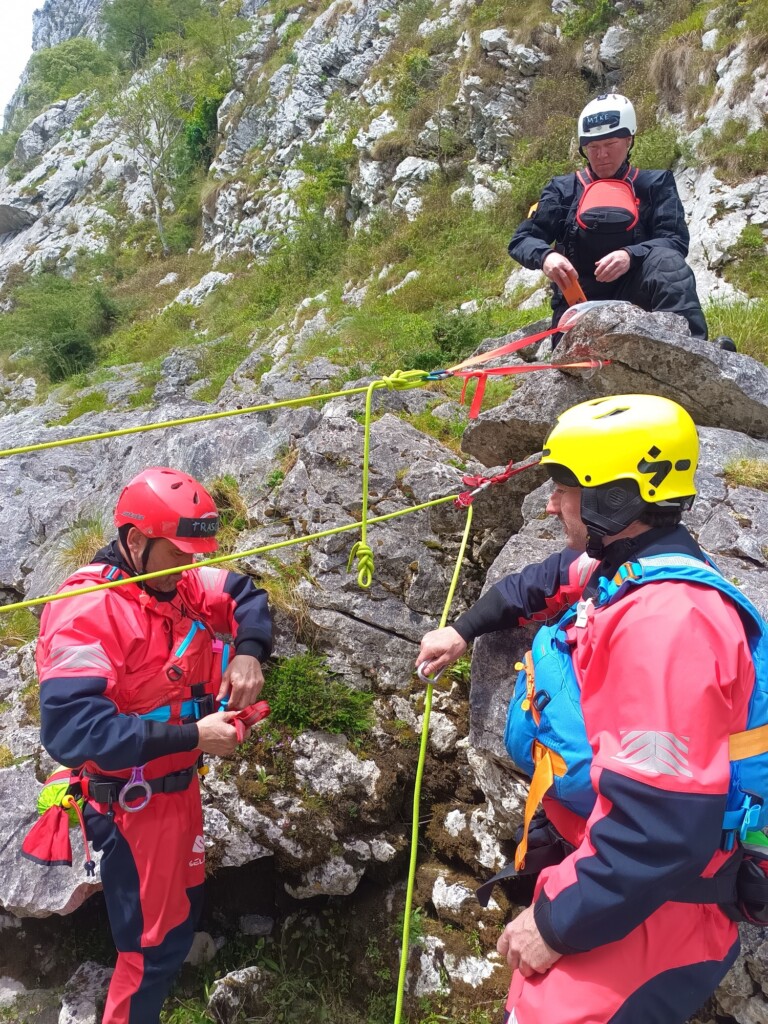
Swift Water Rescue ist eine Methode, um mit technischen Hilfsmitteln Menschen aus Fluten zu retten, und dementsprechend eine Möglichkeit, sich auf das, was auf uns zukommt, vorzubereiten. Für mich war eine der größten Herausforderungen festzustellen, welche unberechenbare Kraft hinter Wassermassen stecken kann, sei es nun ein wilder Fluss oder Überschwemmungen. Unter solchen Bedingungen die Situation abschätzen zu können und zu evaluieren, wie Menschen sich retten lassen, ohne dass man sein eigenes Leben aufs Spiel setzt, war definitiv eines der größten Learnings des Kurses für m
Flexible Rettungsansätze und intensives Training
Hinzu kamen die verschiedenen Ansätze je nach Bedingungen und Anzahl der Retter*innen. Denn manchmal lassen sich Hilfsmittel wie Boote an Winden verwenden, manchmal ist jedoch die einzige Chance, einen Menschen zu bergen, selbst in das gefährliche Wasser zu springen. Um dazu in der Lage zu sein, sind Trainings, wie auch CADUS sie in Zukunft plant, unerlässlich.Self-protection
People also react very differently in emergency situations: Some become completely calm, while others panic and, in the worst-case scenario, put the rescuers themselves in danger—for example, by clinging to them and pulling them underwater. Learning techniques to free myself in such a situation—while still not completely abandoning the person in distress—was essential for me.
Assistive Technology and Teamwork
It’s also important to conserve your own energy as a rescuer by using tools such as pulleys, boats, and ropes. The same goes for seamless cooperation with the entire rescue team. Because only then will we be able to weather the effects of the climate crisis as best we can, working together.
Swiftwater Training – Two Testimonials
As a result of climate change, extreme weather events and flooding will increase worldwide. As part of our Climate Emergency Responder program, four CADUS volunteers therefore participated in a training course for instructors in current rescue. Sanne and Laura share their experiences with whitewater here.
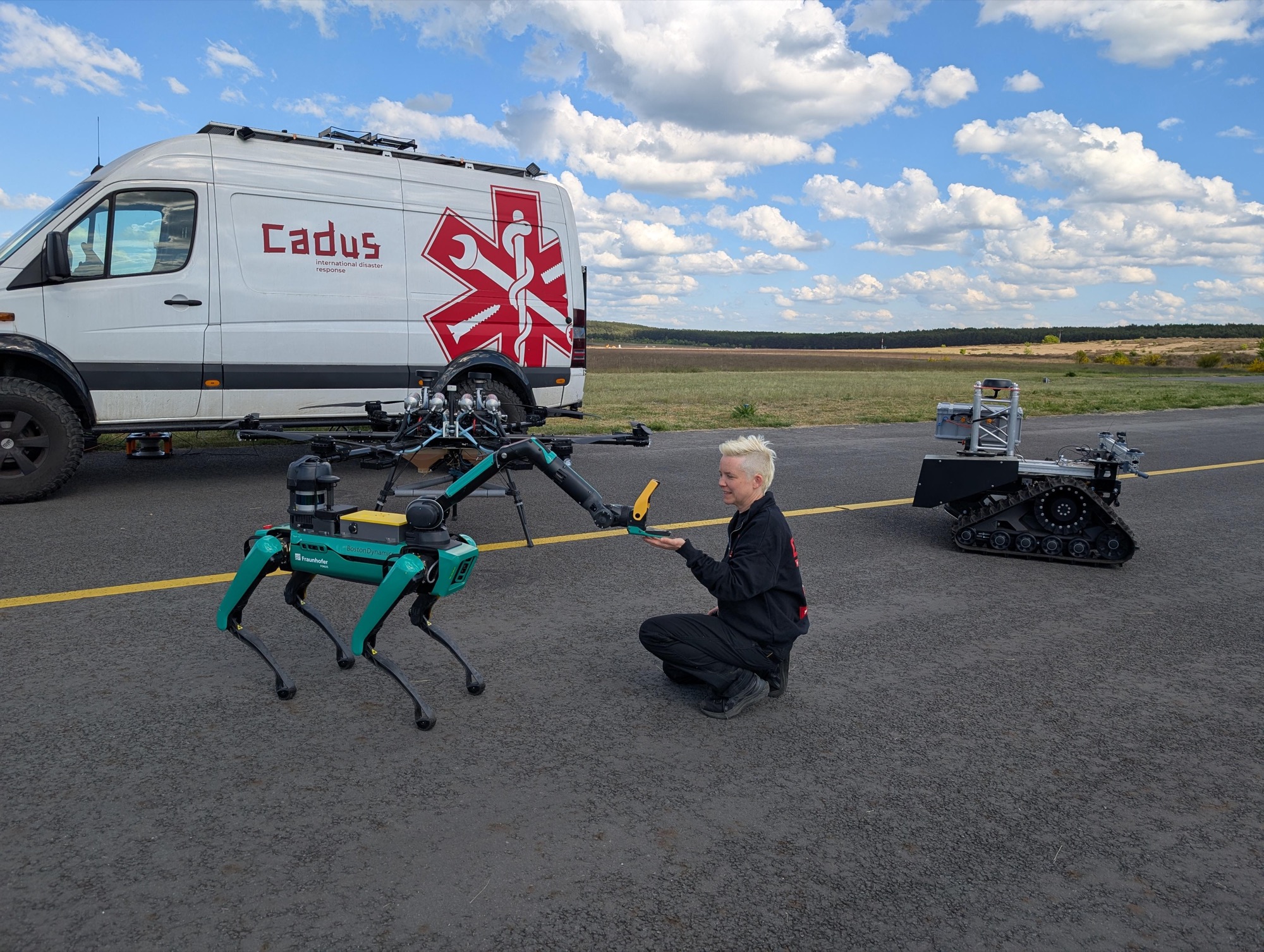
Meet our Team: Dr. Corinna Schäfer
When people think of humanitarian emergency aid, they usually picture doctors saving lives in makeshift tents. But the reality of today’s crisis response missions involves more than that. It consists largely of logistics, infrastructure, and—increasingly—cybersecurity. Our colleague Dr. Corinna Schäfer

Shelter Diary
The people of Ukraine are under constant threat of the drone and missile attacks from the Russian military. Residential areas and civilian infrastructure are repeatedly targeted, and there are regular reports of deaths and injuries. Our teams, too, must deal with this danger. In the following brief excerpts, one of our staff members describes her experiences over the past few days.