EMT Mission in Papua – New Guinea
Published on 21. June 2022
from CADUS-PR
emt-mission-in-papua-new-guinea-feature-P1001255
Destination country/region: East New Britain, Papua – New Guinea
Period: November- December 2021
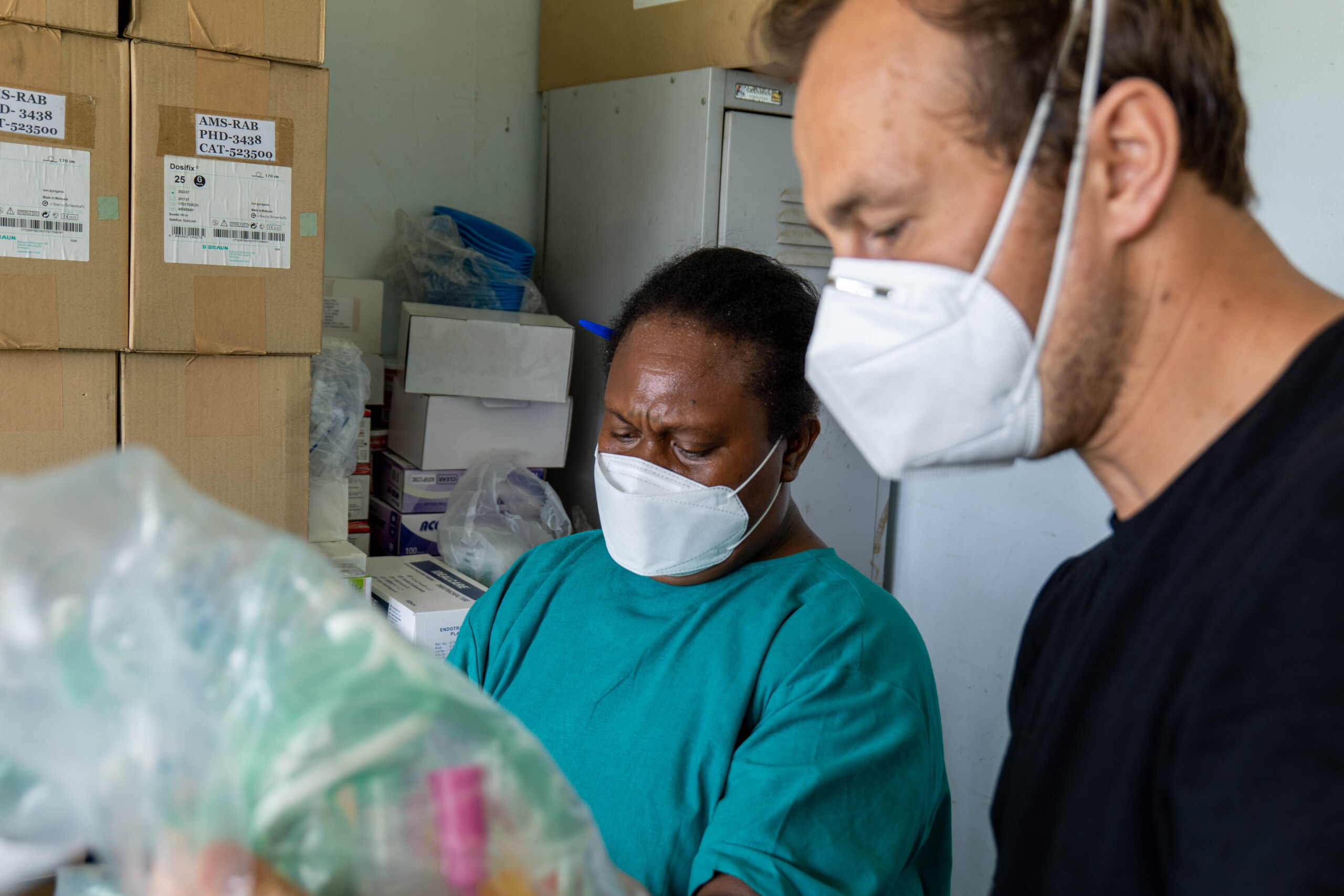
Brief description: A ten-strong team of medics has been shadowing the local health system in Papua New Guinea in the fight against Covid-19. There have been many problems there recently due to the delta variant.
Project Progress:
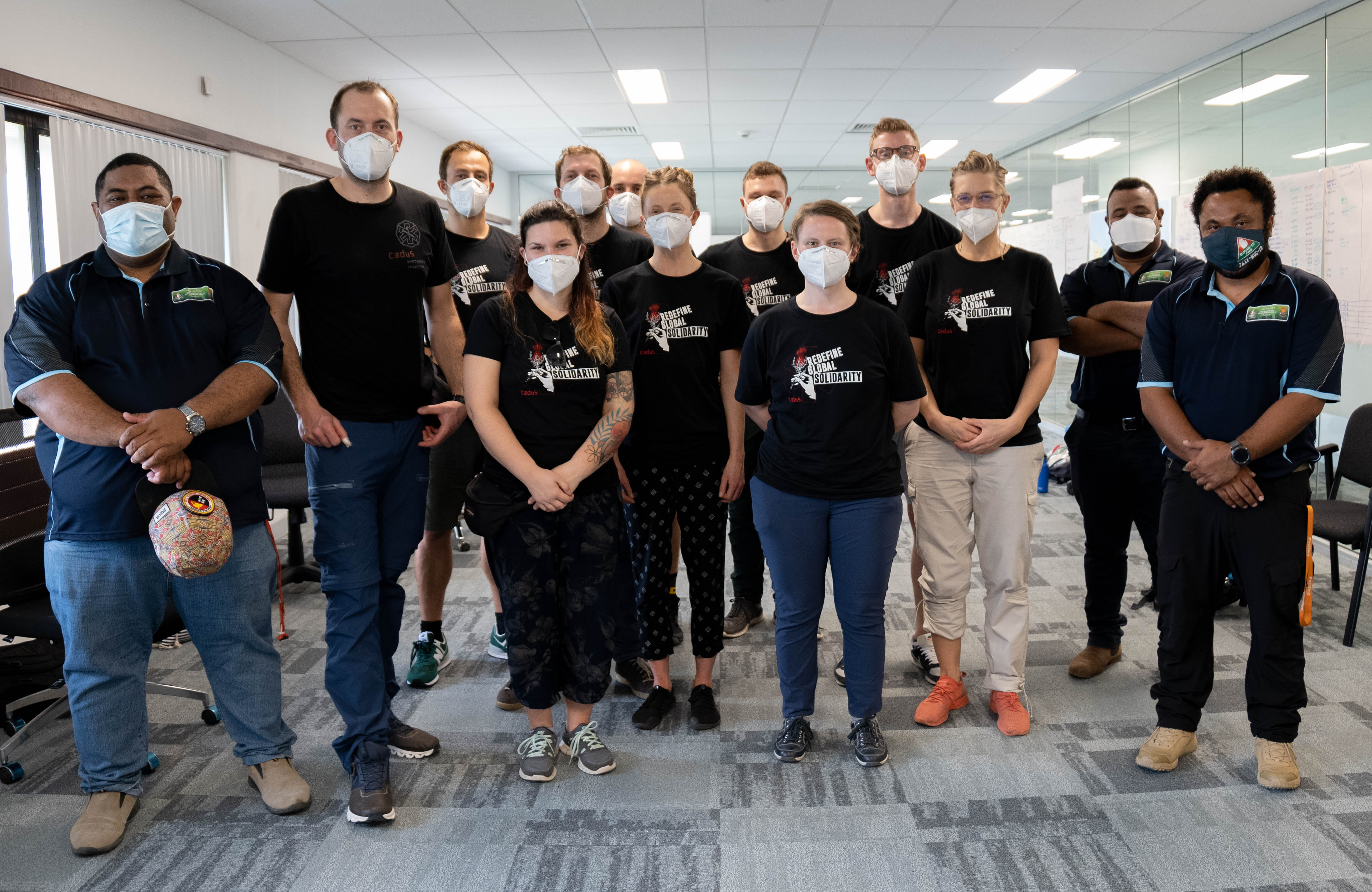
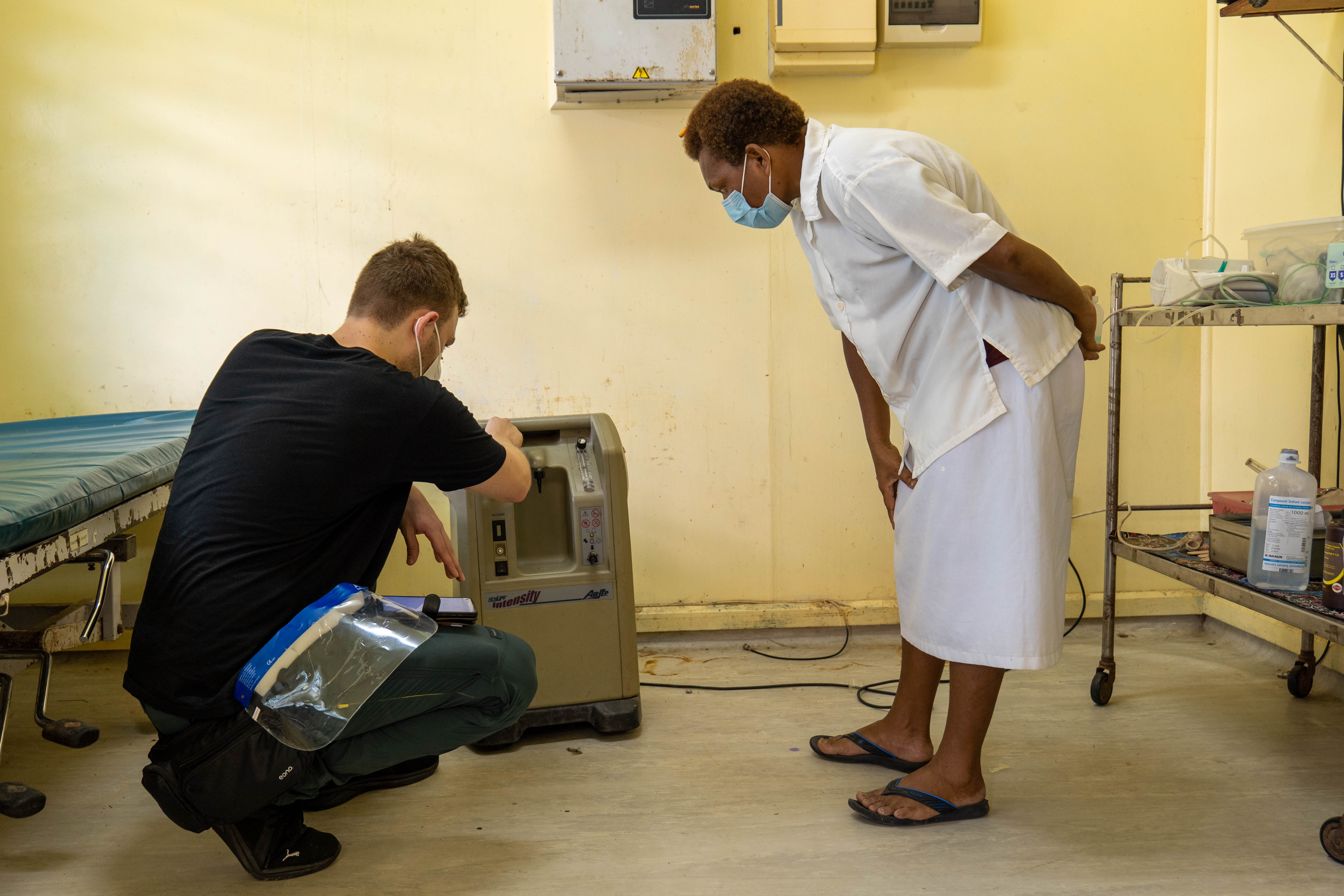
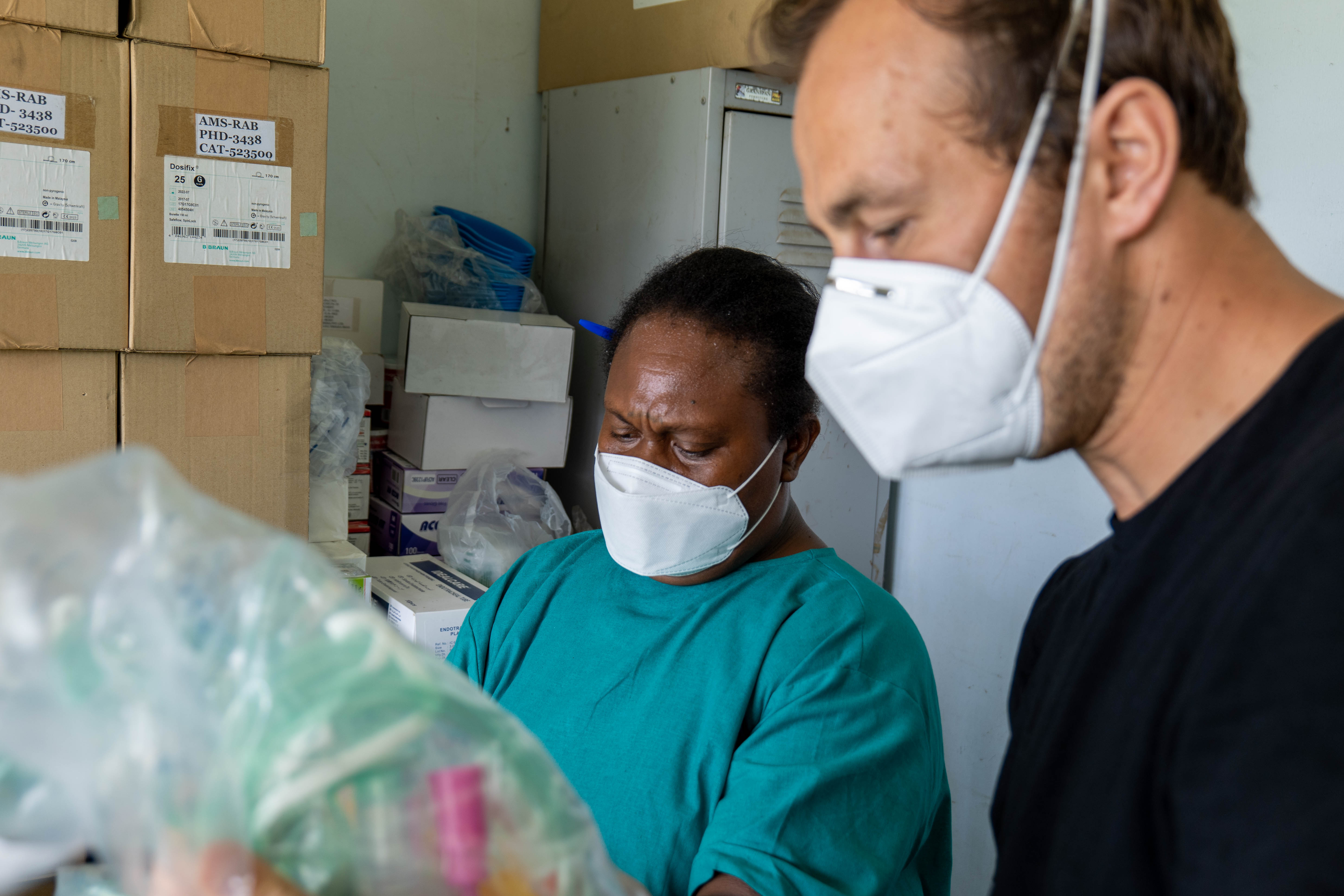
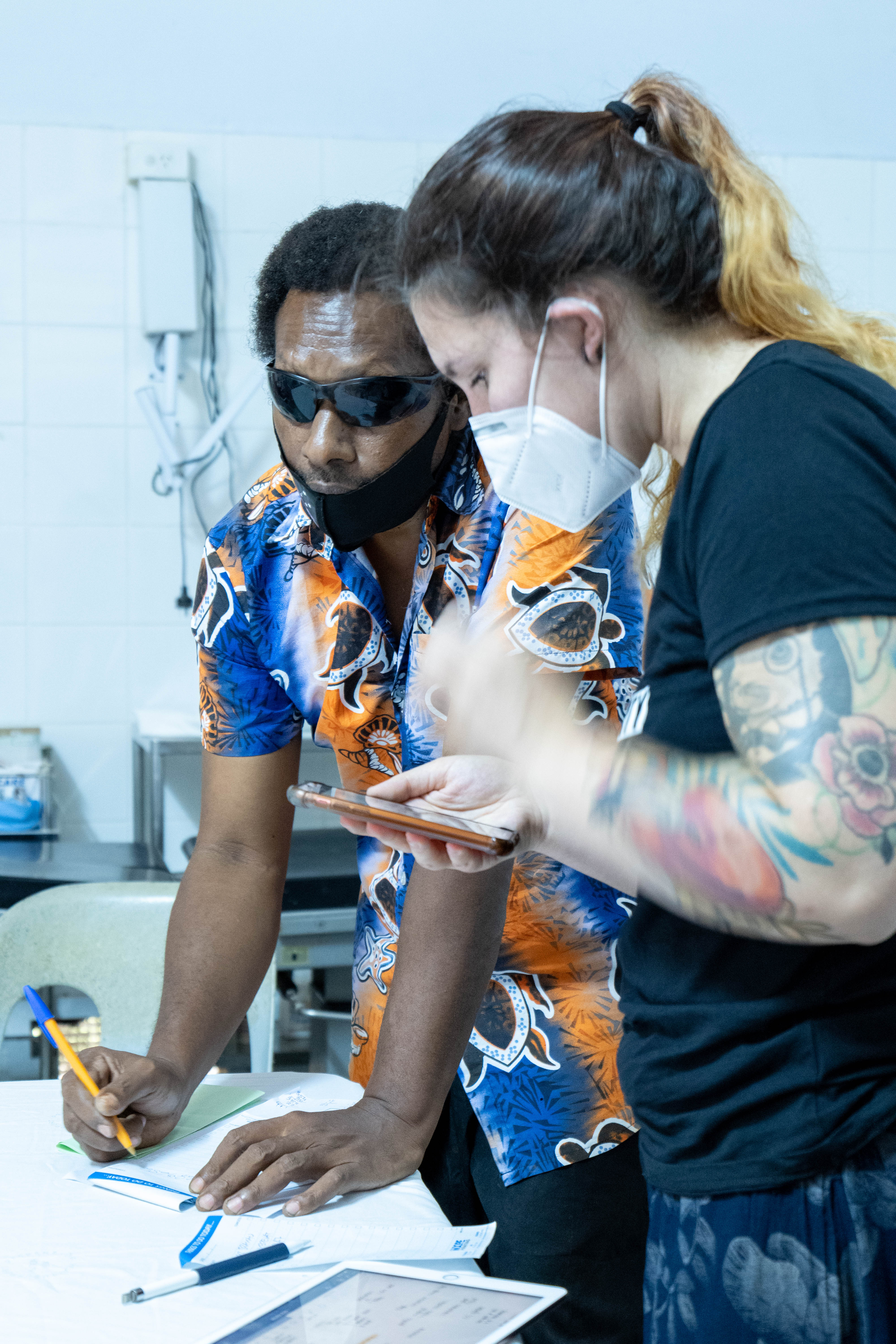
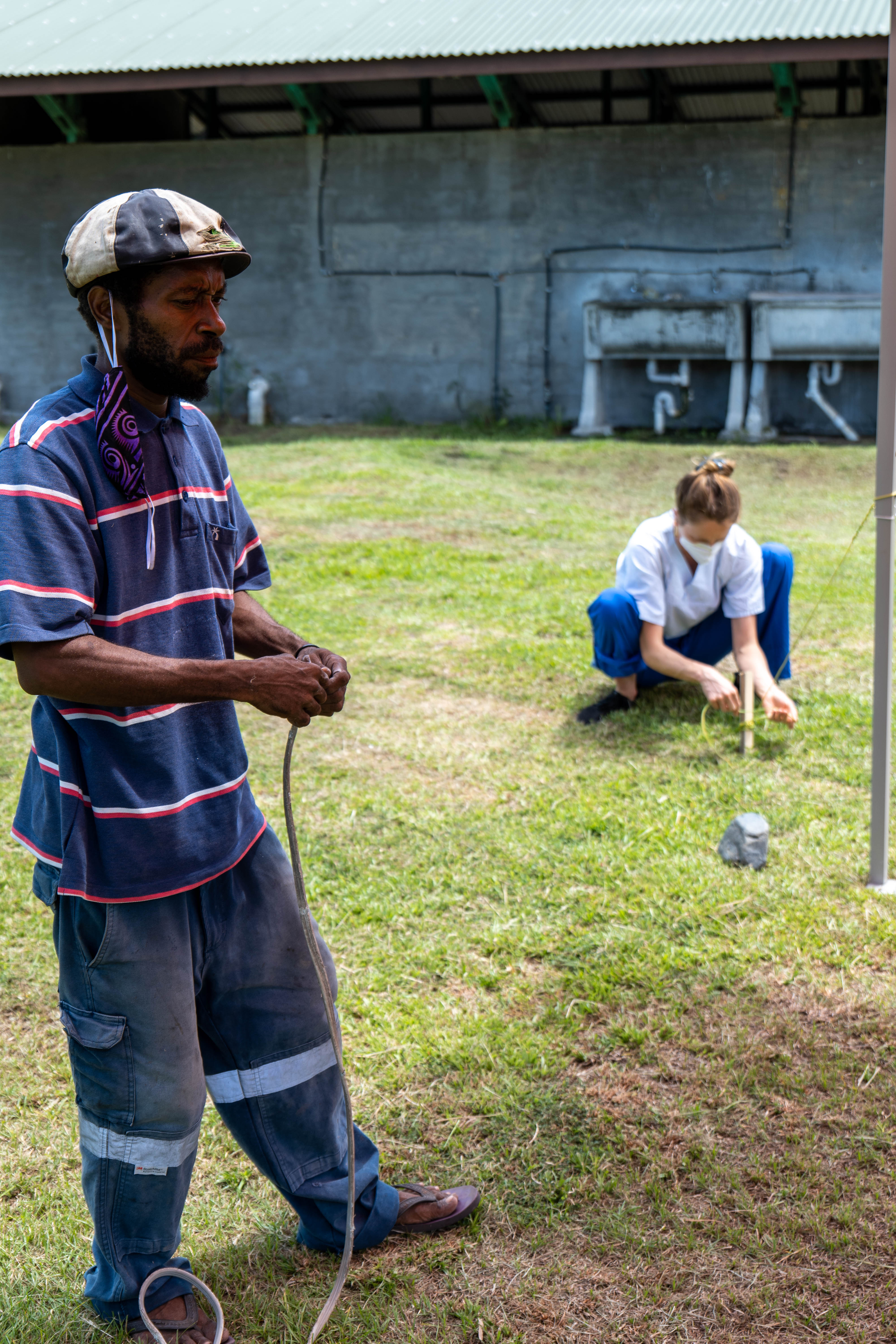
Due to the difficult pandemic situation, the government of Papua – New Guinea asked WHO for medical support. CADUS responded to the request and sent nine medics to Papua New Guinea. There, the team spent three weeks in and around Nonga Hospital, in the East New Britain region. As a shadowing mission, the main focus was on passing on the expert knowledge that the medics had acquired in the two previous years in Germany while treating Corona patients.
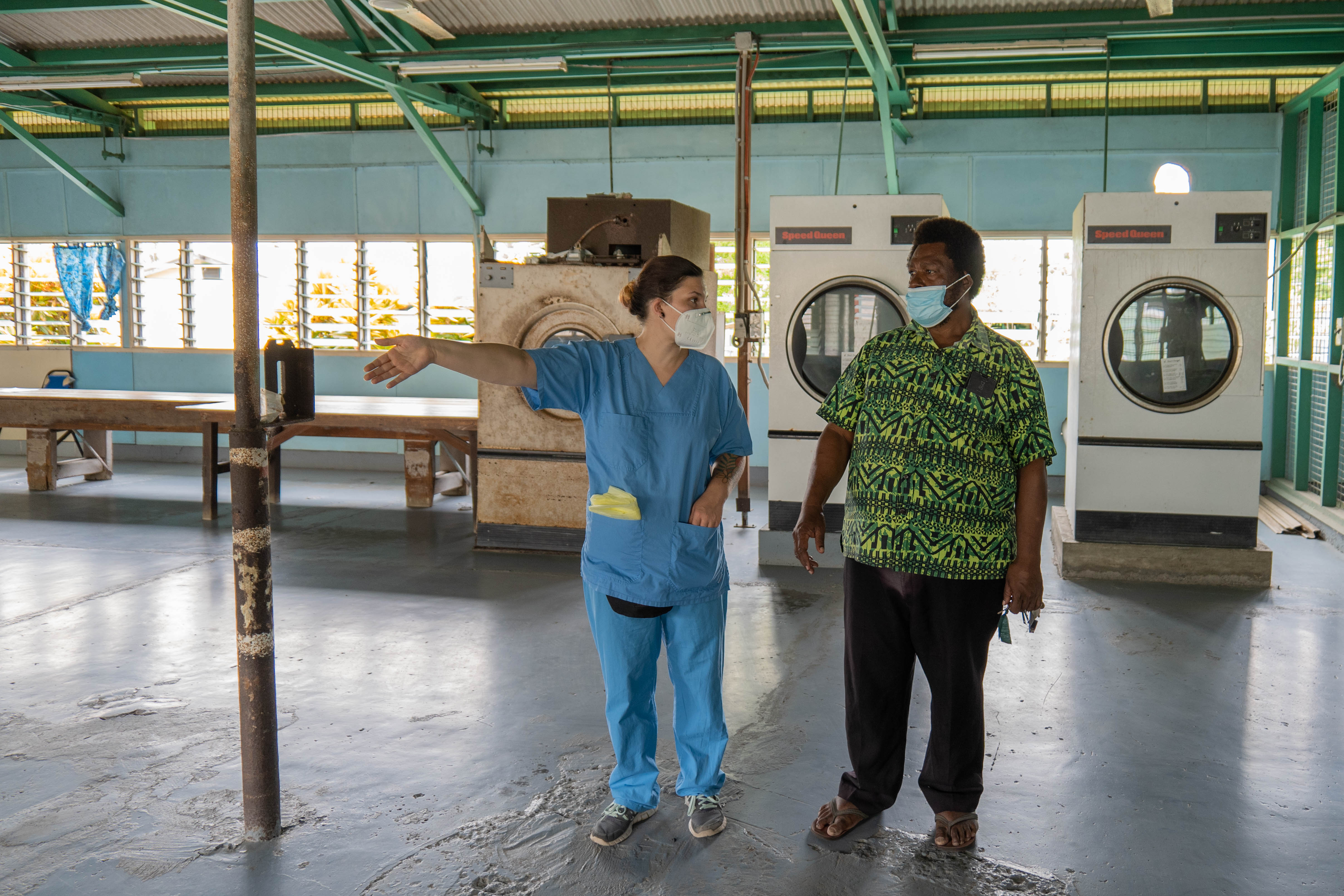
Our physicians observed the local hospital routine and processes in order to improve them in cooperation with their Papua New Guinean colleagues. Although the staffing and resource constraints of the local health system were a major challenge, much was already accomplished with relatively little funding. The team provided training on patient positioning, triaging, hygiene and protective clothing for staff. An existing CPAP ventilator was also modified and, with appropriate training, used to ventilate patients.
In this way, our medics, in collaboration with their local colleagues, succeeded in having the most sustainable and positive effect on processes and everyday hospital life in a relatively short period of time.
Insights into our work:
-
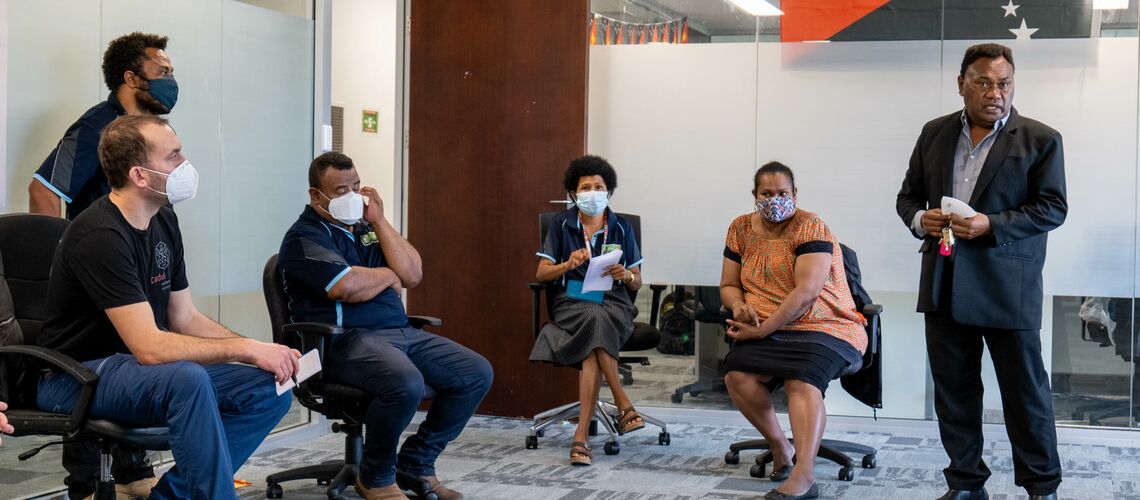
Photo: Lotte Heinl -
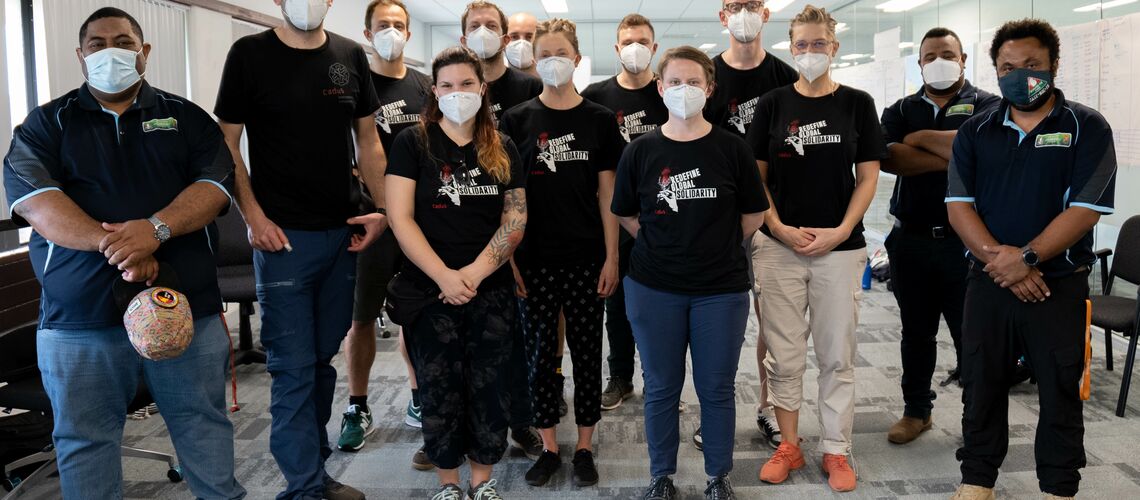
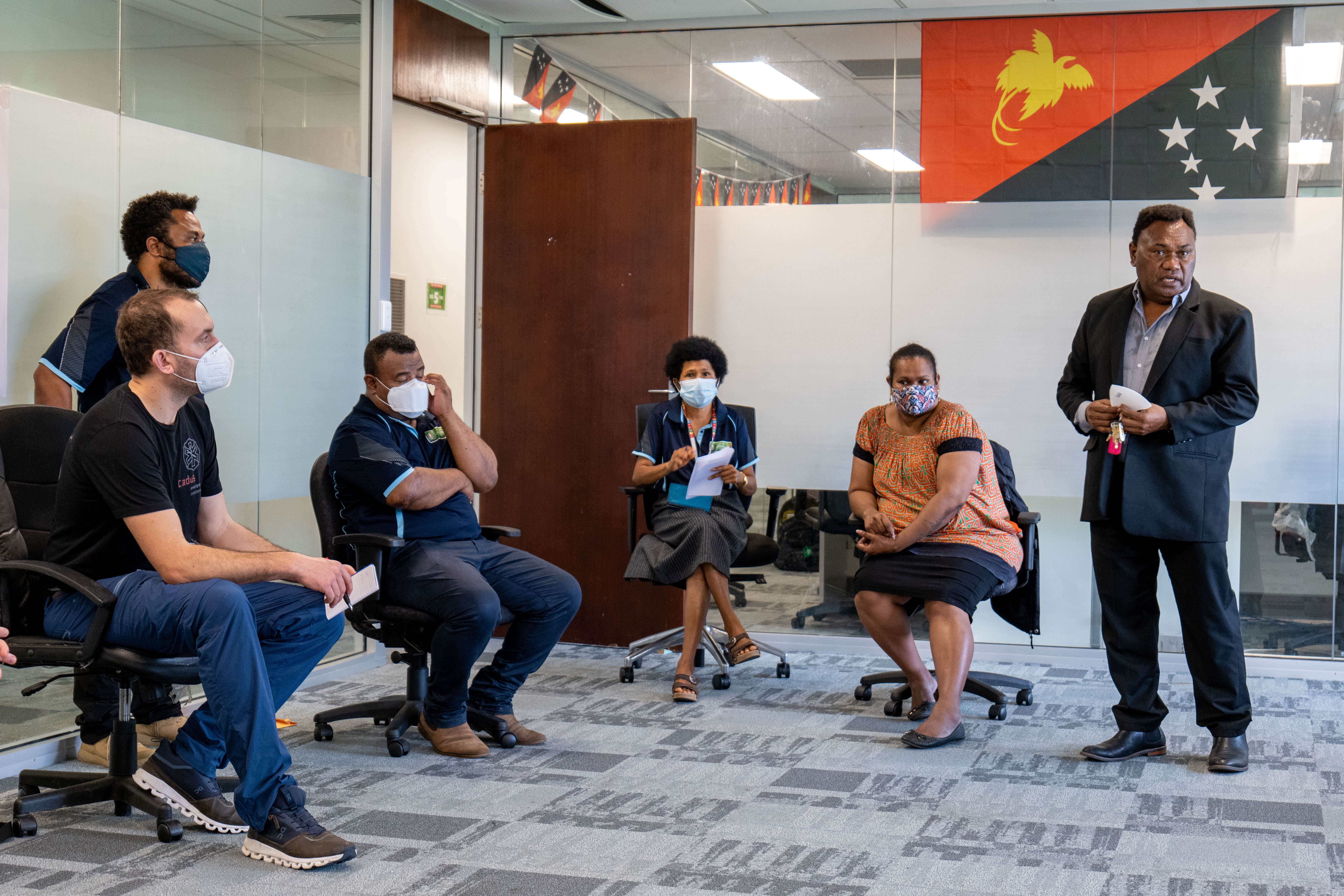
The crew in a meeting with officials of the PNG Health Ministry. Photo: Lotte Heinl -
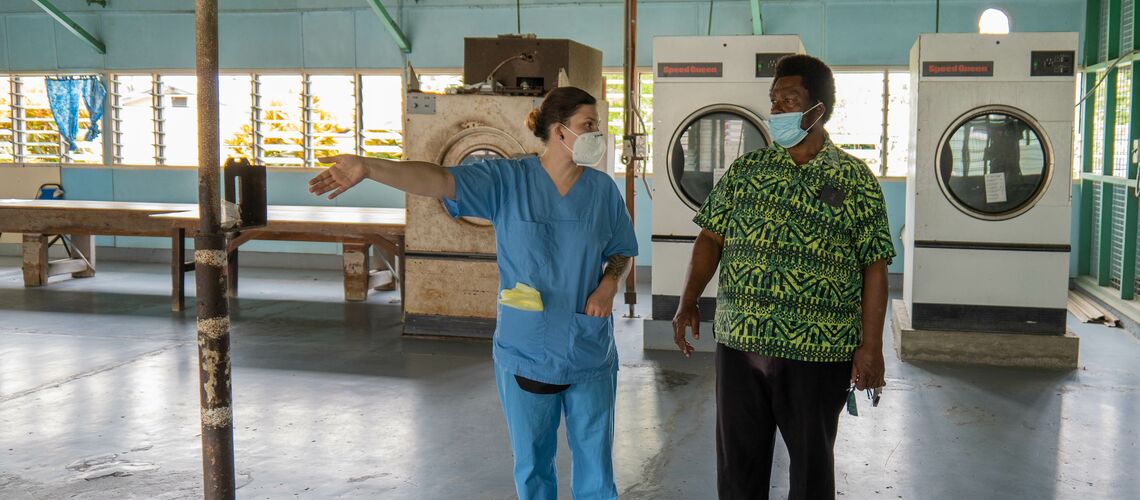
Photo: Lotte Heinl -
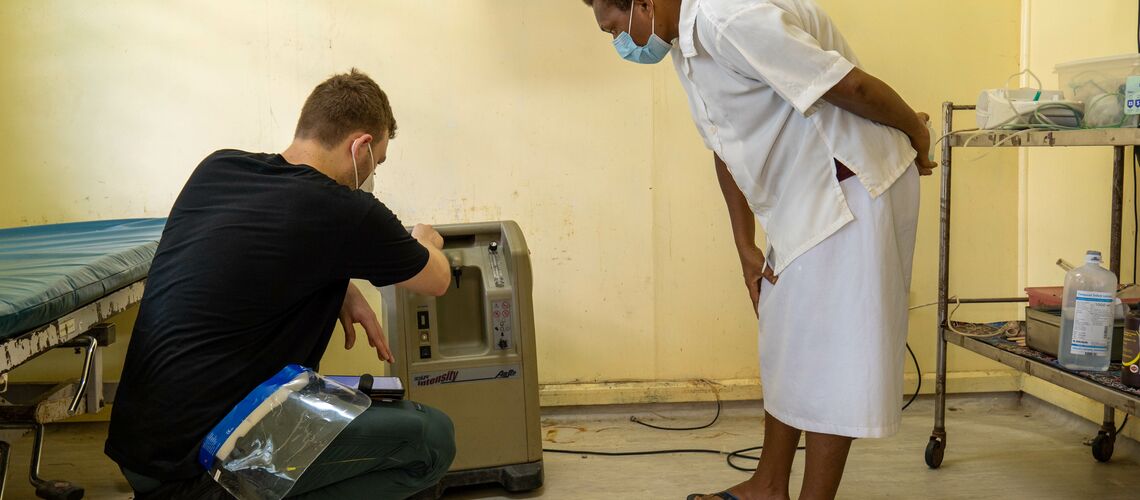
Photo: Lotte Heinl -
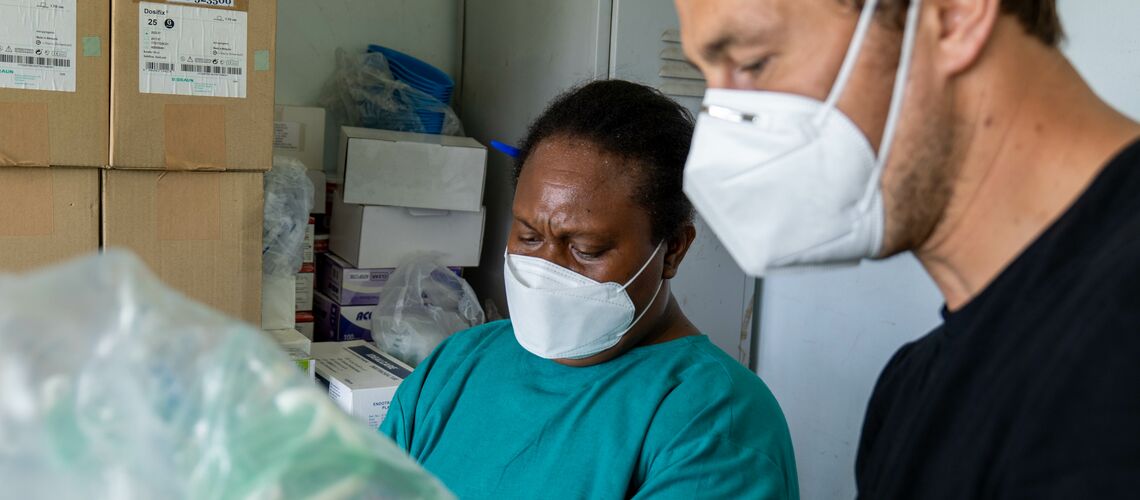
Photo: Lotte Heinl -

Photo: Lotte Heinl -
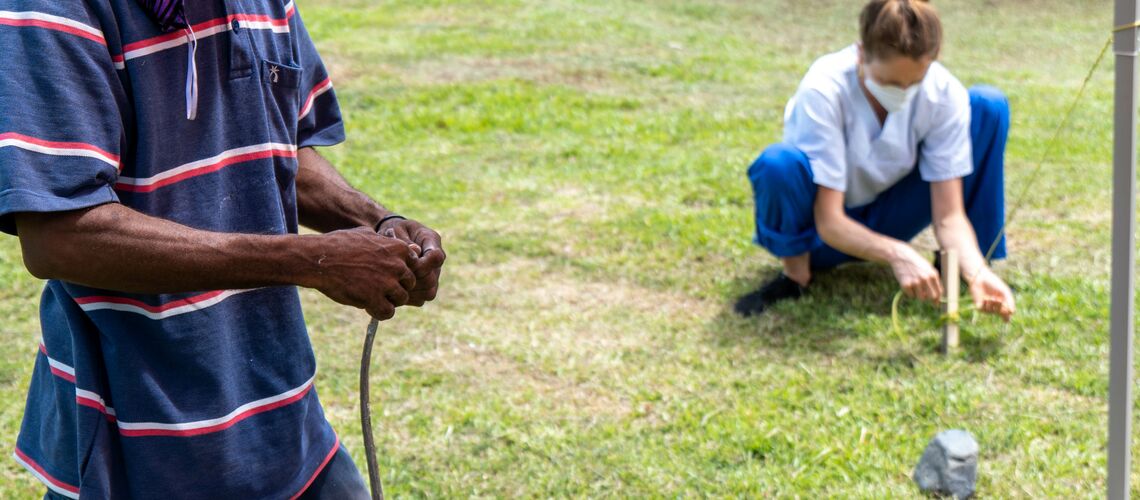
Photo: Lotte Heinl
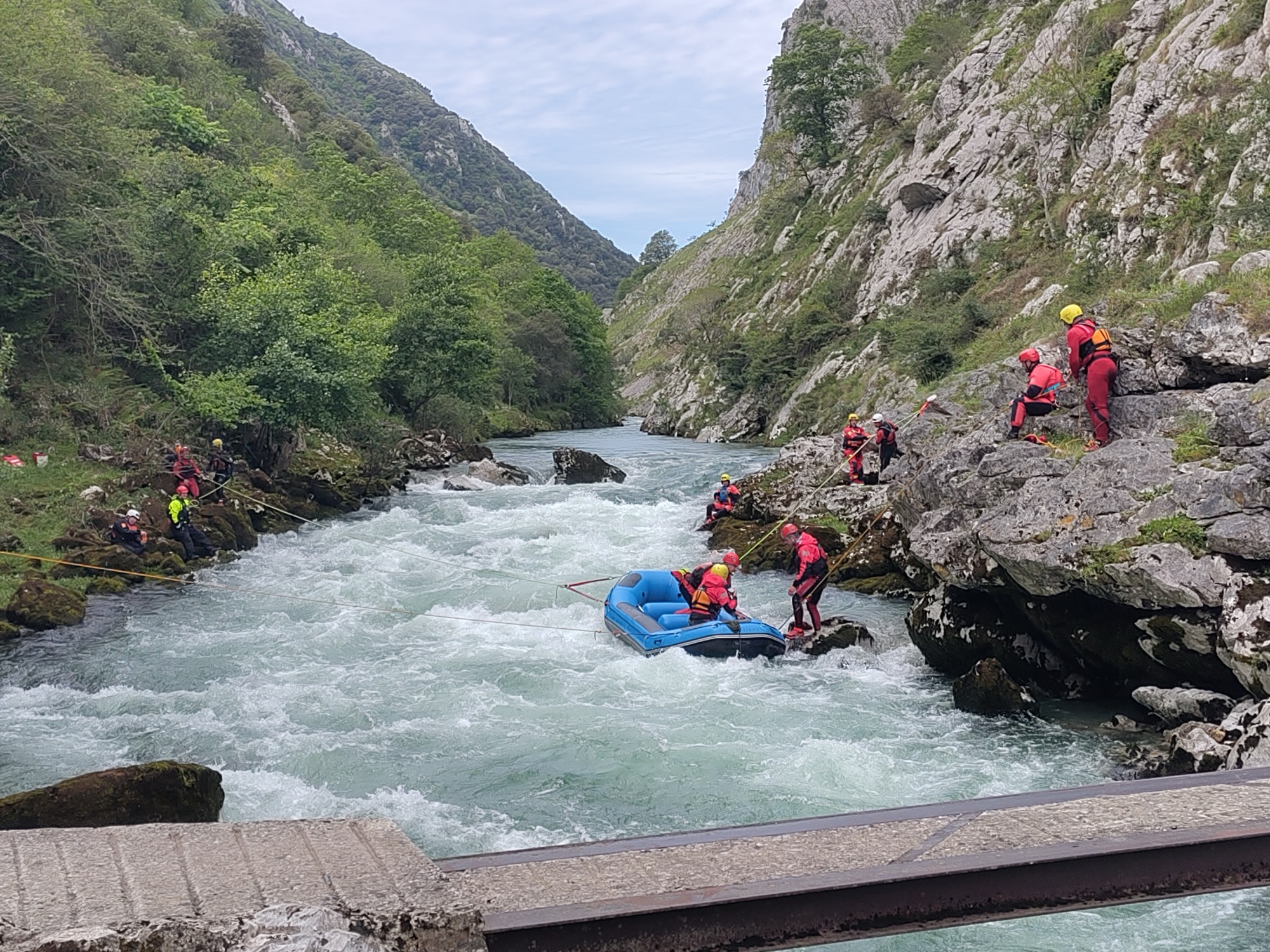
Swiftwater Training – Two Testimonials
As a result of climate change, extreme weather events and flooding will increase worldwide. As part of our Climate Emergency Responder program, four CADUS volunteers therefore participated in a training course for instructors in current rescue. Sanne and Laura share their experiences with whitewater here.
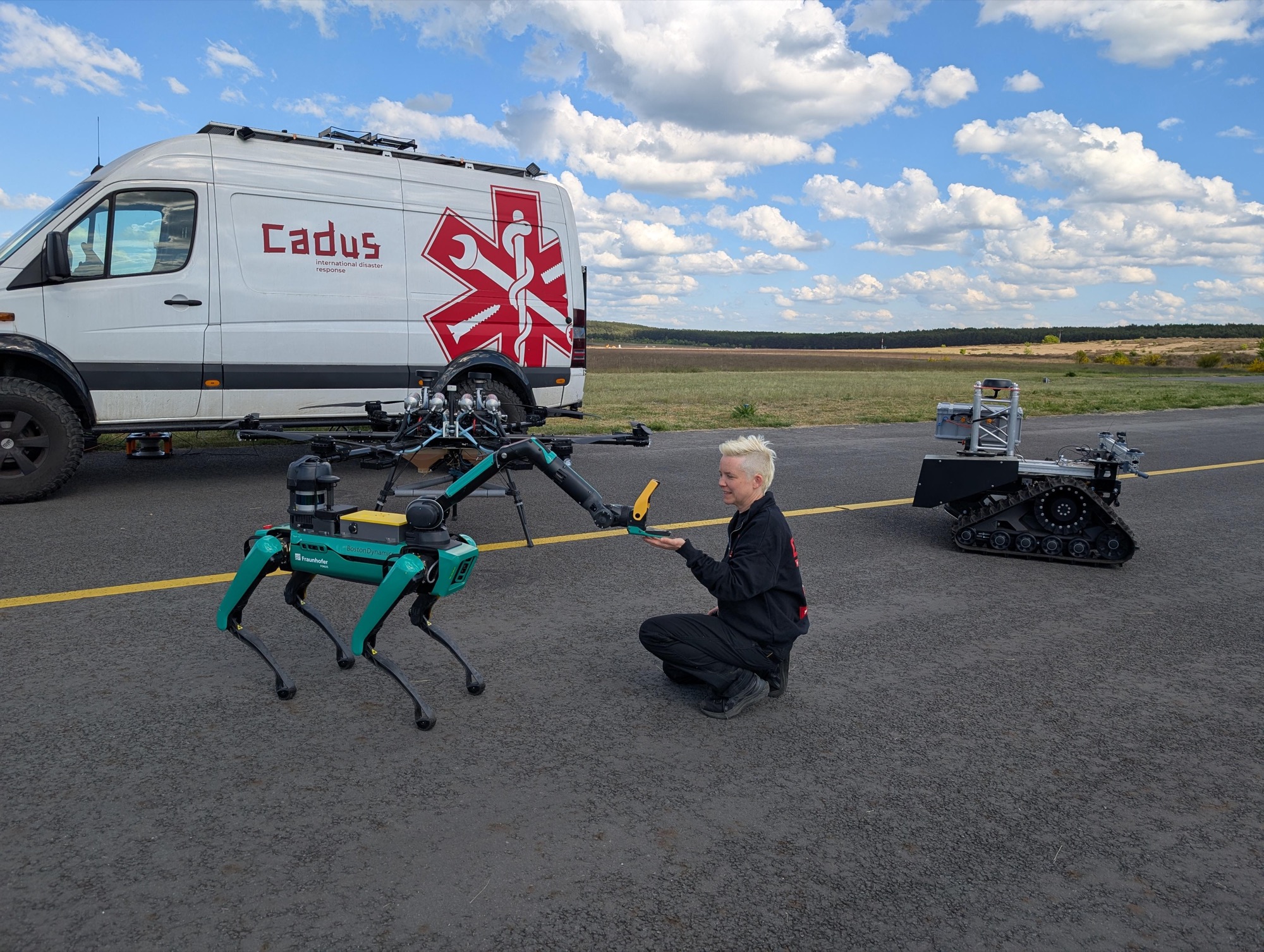
Meet our Team: Dr. Corinna Schäfer
When people think of humanitarian emergency aid, they usually picture doctors saving lives in makeshift tents. But the reality of today’s crisis response missions involves more than that. It consists largely of logistics, infrastructure, and—increasingly—cybersecurity. Our colleague Dr. Corinna Schäfer
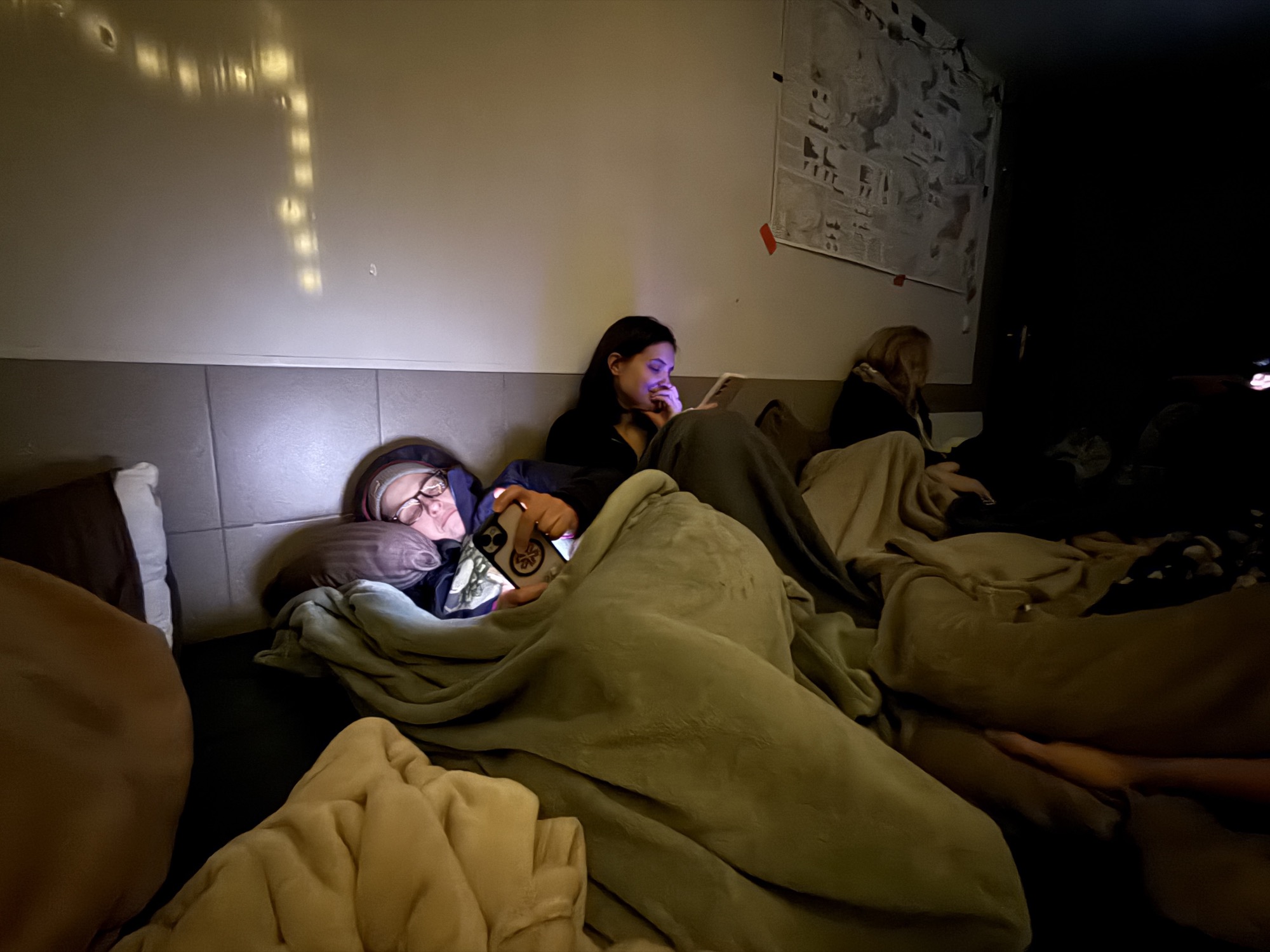
Shelter Diary
The people of Ukraine are under constant threat of the drone and missile attacks from the Russian military. Residential areas and civilian infrastructure are repeatedly targeted, and there are regular reports of deaths and injuries. Our teams, too, must deal with this danger. In the following brief excerpts, one of our staff members describes her experiences over the past few days.