In the heat of the night
Published on 31. July 2017
from CADUS-PR
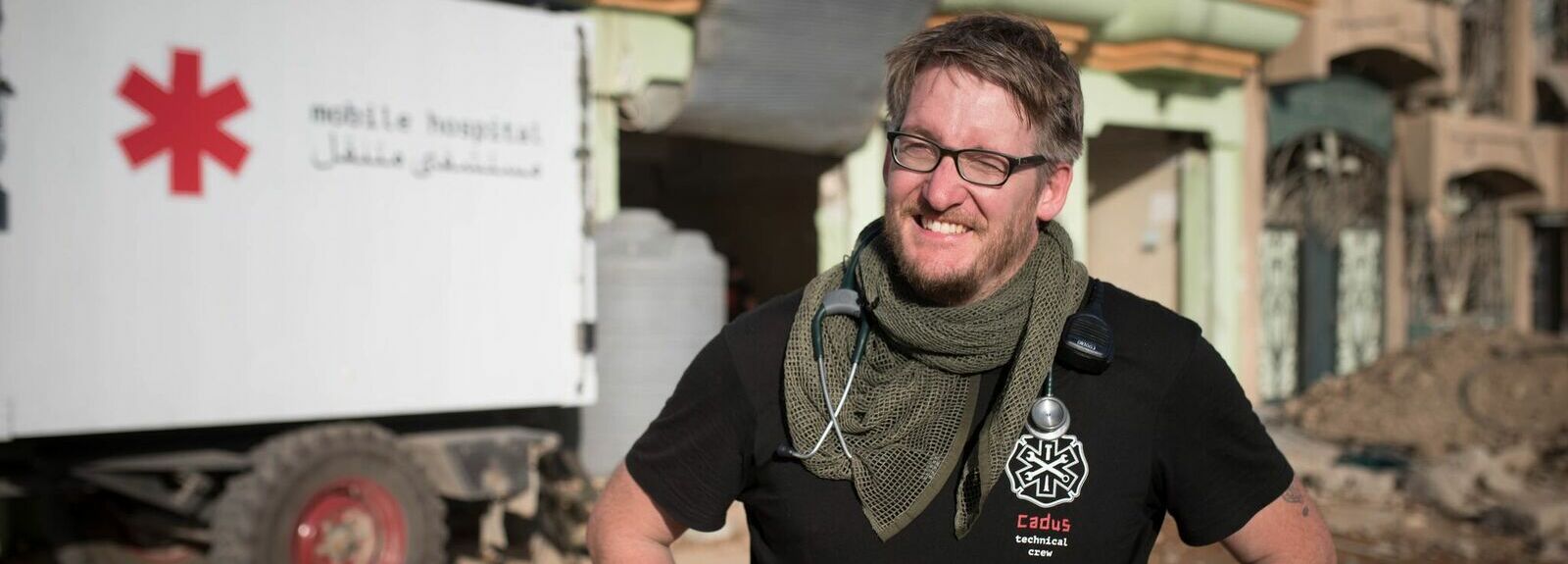
in-the-heat-of-the-night-200-feature-mobile_hospital_07-06-172028620von201829-1a438e9e
“Another night shift is over for the CADUS team in our Mosul TSP. After the breaking of the fast, when it's getting dark and temperature is falling a little bit, gunfights are starting again. It's almost certain that there will be another high influx of patients during the night.
At this point, our team has already been working for 14 hours straight at 45 degrees Celsius (113 degrees Fahrenheit) in a dry, dusty climate with lots of patients to care for and all the other regular tasks: getting water and beverages, the logistics of our camp, restocking of the TSP supply cabinets and the cleaning of bloody instruments.
There is a service schedule for the night shift, but it's rather symbolic. If something happens, it's usually a serious incident, meaning 3 or 4 badly injured people arrive simultaneously and the whole team is needed once again. When there are no patients to care for, everyone is trying to rest a few minutes. Mosquitoes, heat and the recent experiences often make it difficult to relax and rest.
We just made a quick group picture… and realised the whole team doesn't really look “fresh“ anymore. Nevertheless it's a great pleasure to do this important work here with such wonderful people.“
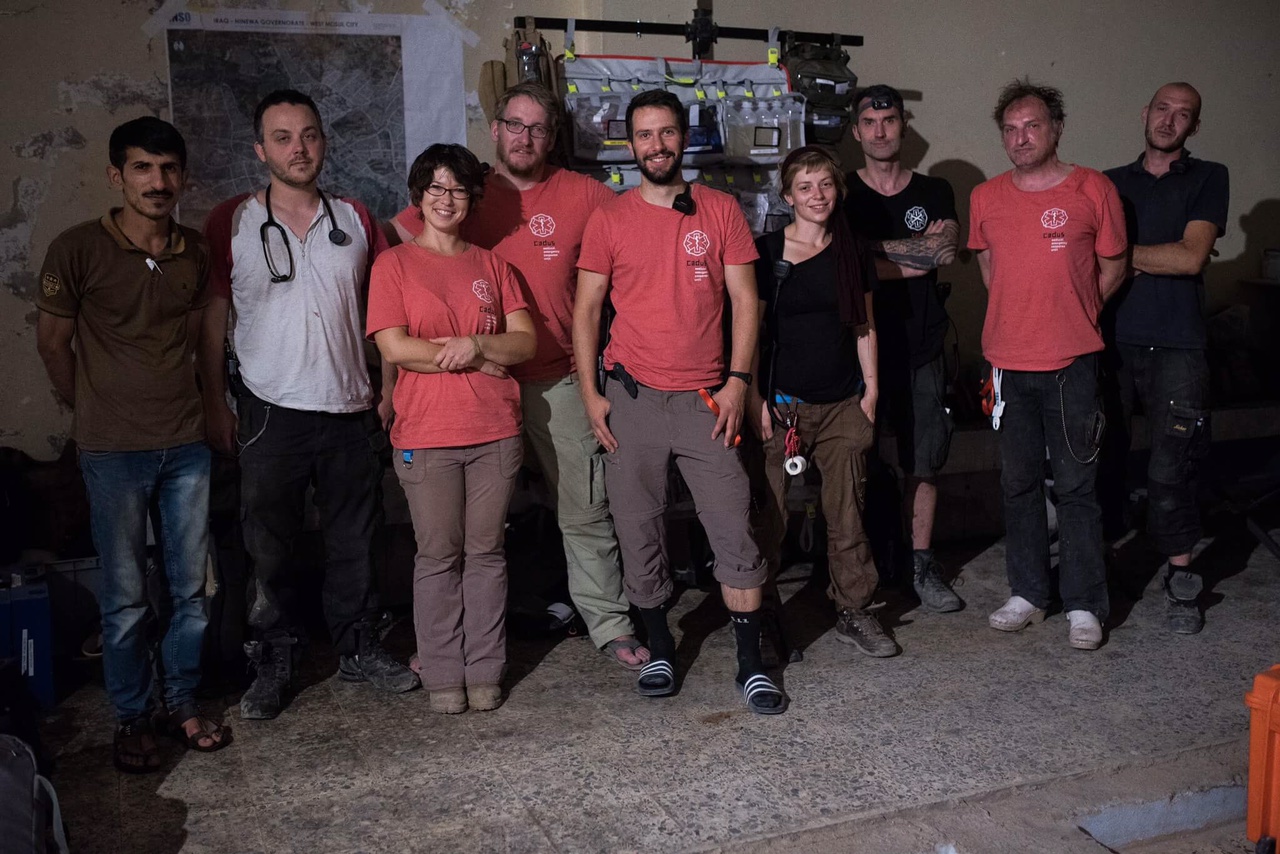 Our current team in our TSP in Mosul. Picture: CADUS
Published
Author: by Jonas Grünwald
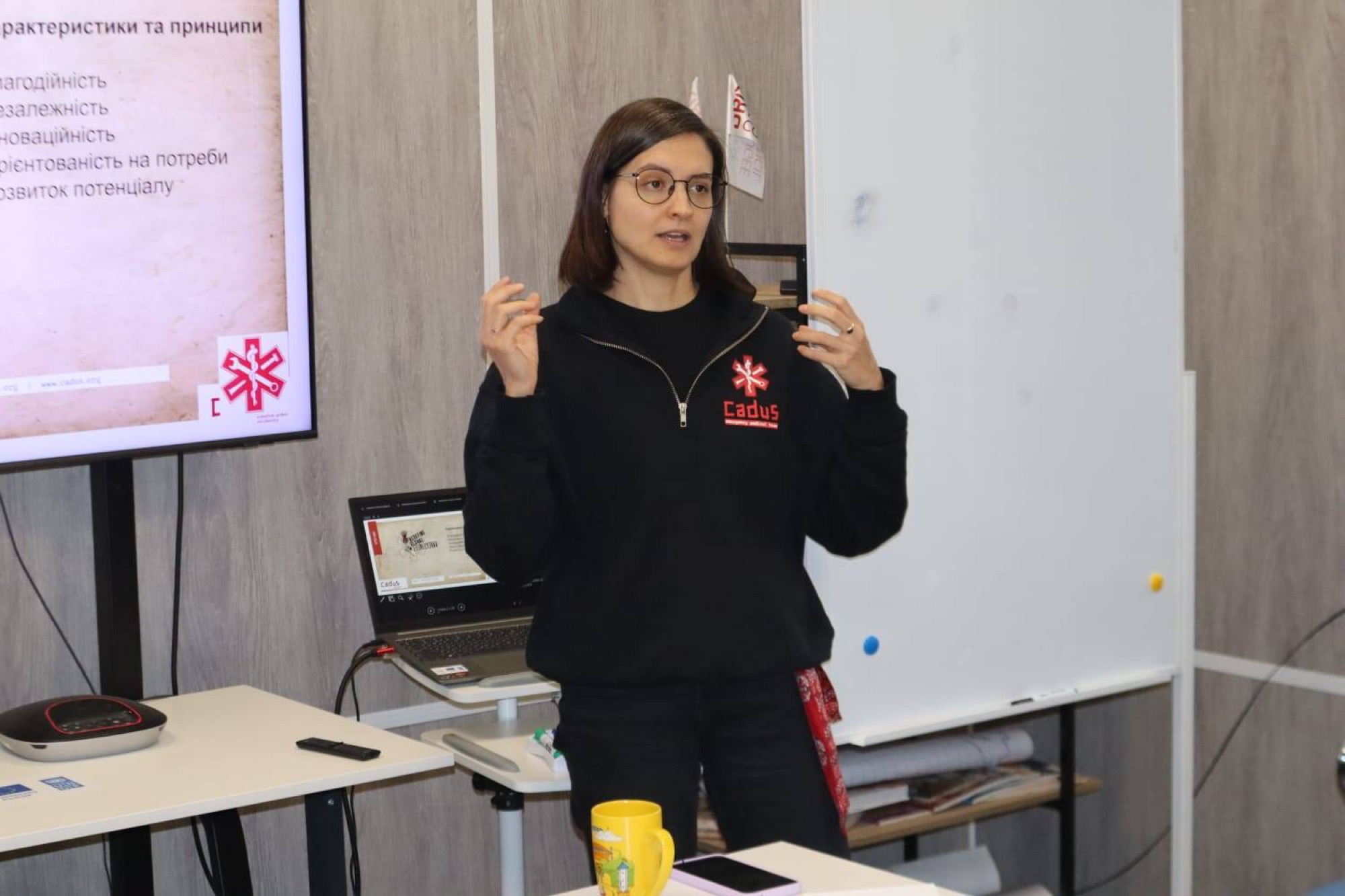
Meet our Team: Nastia, Infield Operations Coordinator in Ukraine
In this interview, we sat down with our Infield Operations Coordinator, Anastasia Vorobyova, in Ukraine to learn more about her background, her day-to-day life on the ground, and what drives her to continue her essential work. She shares her journey from running a language school to joining the humanitarian response, the realities of living in a conflict zone, and the incredible resilience of the people around her.
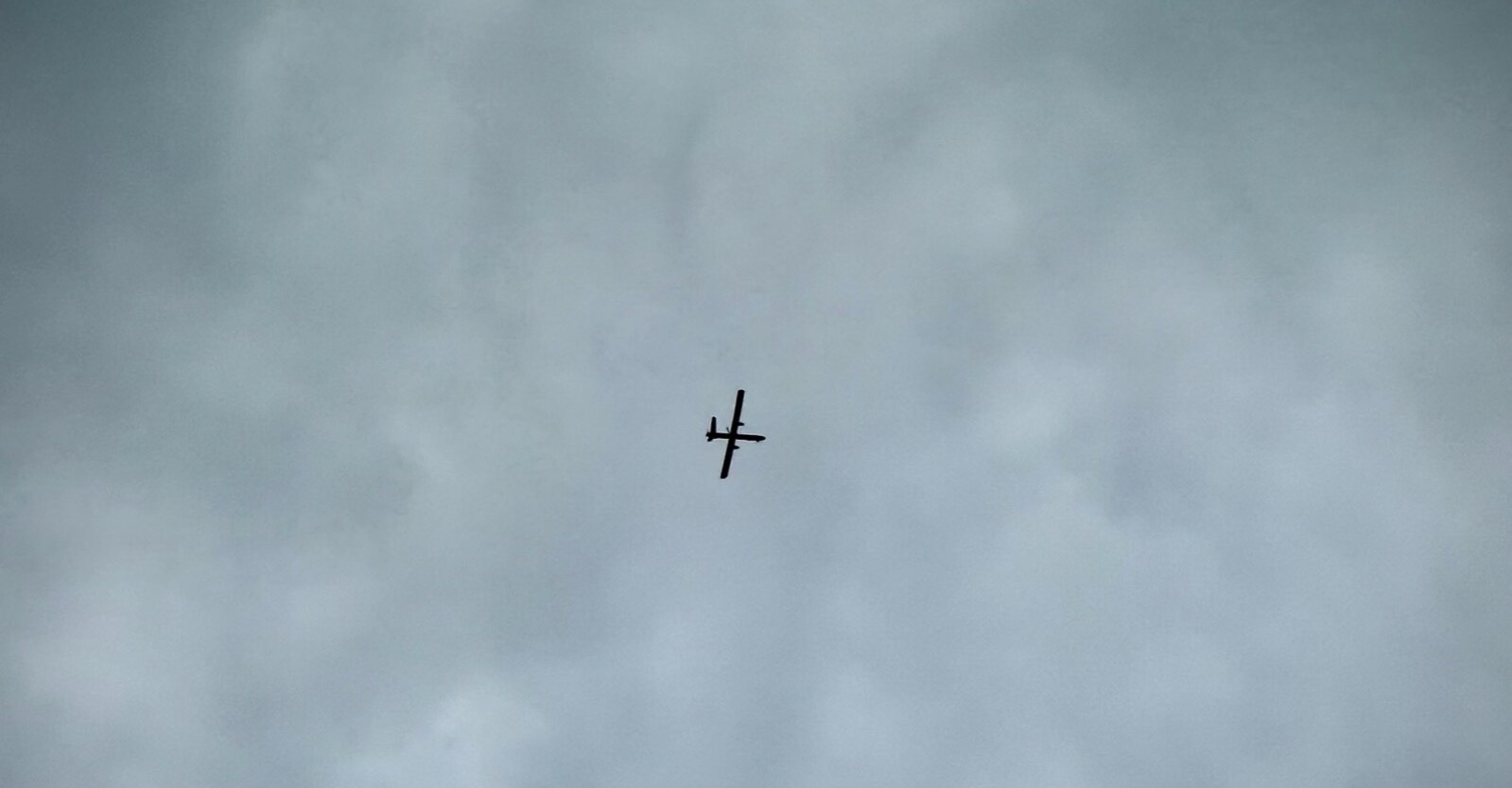
Monitoring the Patient While the Sky Monitors You.
Medical neutrality becoming psychologically uncertain. The Red Cross, ambulance, hospital, scrubs, or medical role ordinarily signify protection and neutrality. Under persistent surveillance, you may intellectually understand those protections while simultaneously feeling that being identifiable does not necessarily make you safe.
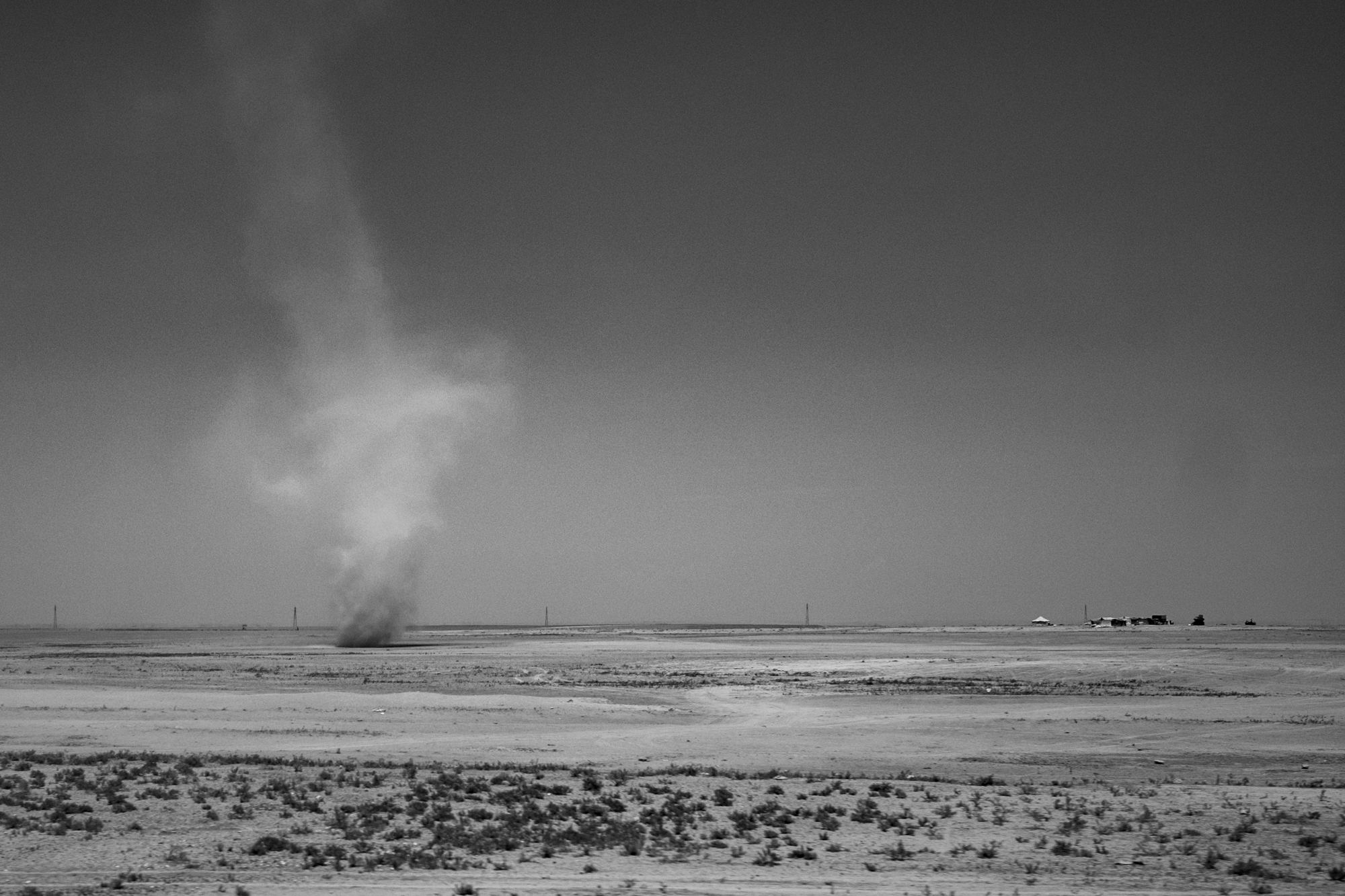
Heat – More than just hot
Climate change will lead to an increase in prolonged heat waves. Yet heat is much more than just a weather phenomenon. It affects our social life, health, the environment, politics, and, very specifically, our operations in crisis areas – and thus becomes a matter of global justice.