News from northern Syria
Published on 26. March 2019
from CADUS-PR
news-from-northern-syria-feature-0220Raqqa20December202018-07d737be-1
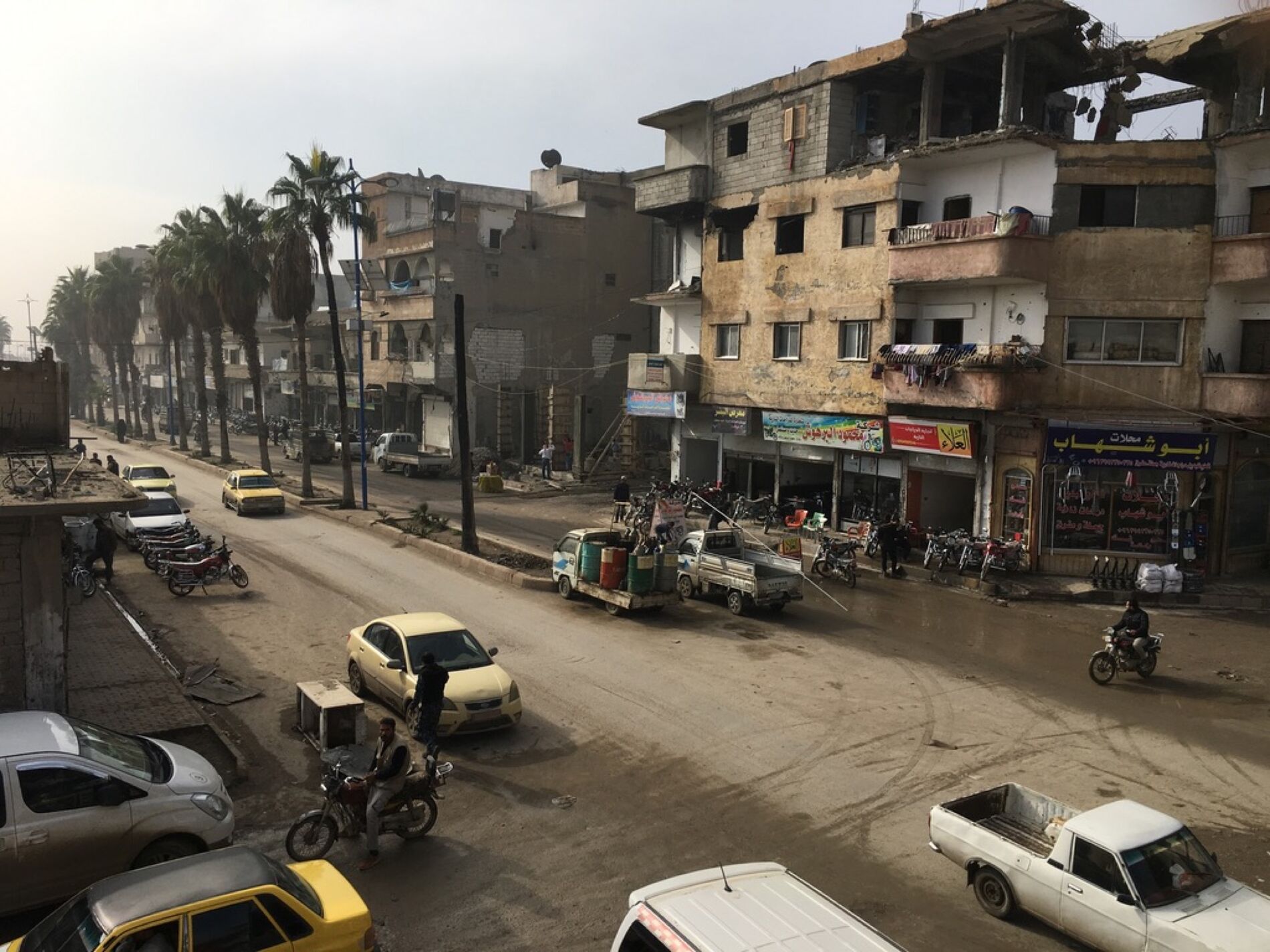
Good news for our projects in Rojava, Northern Syria. Funding for the medical care station in Raqqa was extended and our proposal to furnish a Trauma Stabilization Point including training for local personnel was granted. This way, we can create medical capabilities in preparation of possible new fights breaking out.
Syria’s uncertain future
2018 was another year of Syria and Syrian civil population being made a pawn in global political power games. At the end of the year, the US declared the so-called Islamic State (IS) to be beaten and announced a complete withdrawal of their troops stationed in Syria. This announcement had severe consequences for Rojava, the three self-governed regions with a Kurdish majority in Northern Syria. A military assault by Turkey can’t be ruled out to this day, which would bring even more death and destruction to a region and its inhabitants who are already shaken by war.
Ongoing battles
At the same time, battle against IS in the southern region Deir ez-Zor is still ongoing, with catastrophic consequences for the civilian population. Thousands of people are still forced to flee. A particularly tragic example is the situation in camp Al Hol in the al-Hasakah district. Over 57.000 people are living there at the moment. 35.000 persons, mainly women and children, were fleeing to the camp from the embattled areas during the last two months alone. According to official information, at least 85 children froze to death on the way to the camp. A catastrophic situation which shows that humanitarian Work is still indispensable and support badly needed.
For CADUS, this means in practice: Besides delivering basic support to local health institutions, we also want to strengthen further local trauma facilities for the treatment of severe injuries. This is precisely what we are going to do in the coming weeks and months. Besides our work in Raqqa, we also support the local structures in building a mobile facility for the treatment of heavily injured civilians in the north of Rojava.
 Hospital bed in a doctor’s office at the Raqqa health station ©CADUS
Our activities in Raqqa continue unhindered
The medical care station we are running together with the Kurdish Red Crescent (Heyva Sor) in Raqqa is being extended once again. By this, we react to the supply situation in the city which is still desperate and making a return of the population under humane conditions almost impossible. Until the end of december we were able to treat over 17.000 patients. Most of them were provided basic medical care. Over 3000 people were in need of emergency treatment. Recently we could also improve our hospital by introducing gynecological services. There is a big need for these as women mostly had no access to that kind of services under IS rule. At the same time, the number of violent attacks in the city is rising again, as there are tensions between different factions struggling for influence and political participation. For this reason, we keep being prepared for emergencies and the treatment of severely injured persons besides providing primary health care.
Besides the work in Raqqa, which mainly consists of administrative tasks, the building of the mobile healthcare facility is imminent. For this, we have to get lots of equipment into the region. Together with local medical personnel, we also want to provide effective trainings for emergency care.
Published
Author: by Jonas Grünwald
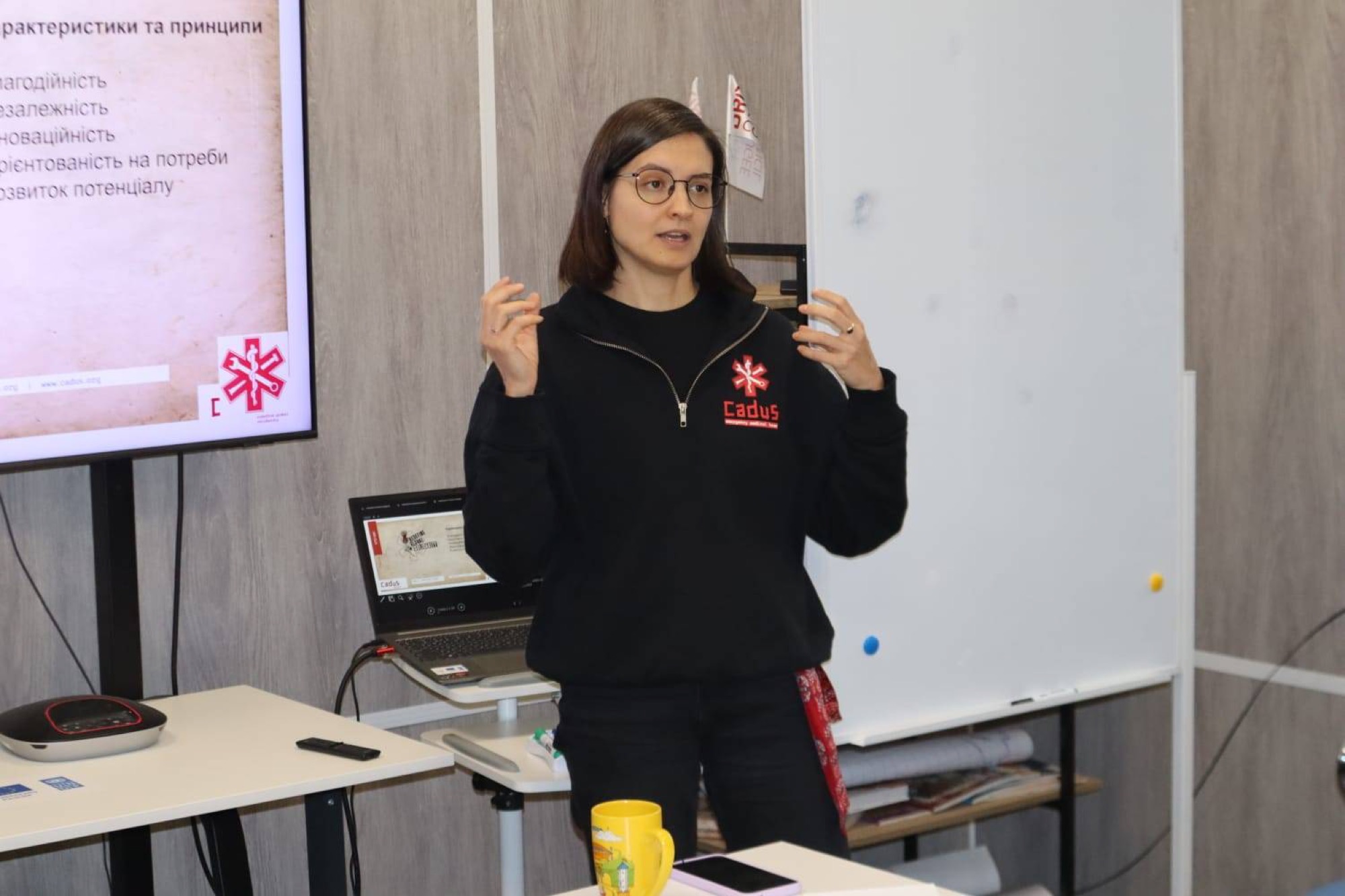
Meet our Team: Nastia, Infield Operations Coordinator in Ukraine
In this interview, we sat down with our Infield Operations Coordinator, Anastasia Vorobyova, in Ukraine to learn more about her background, her day-to-day life on the ground, and what drives her to continue her essential work. She shares her journey from running a language school to joining the humanitarian response, the realities of living in a conflict zone, and the incredible resilience of the people around her.
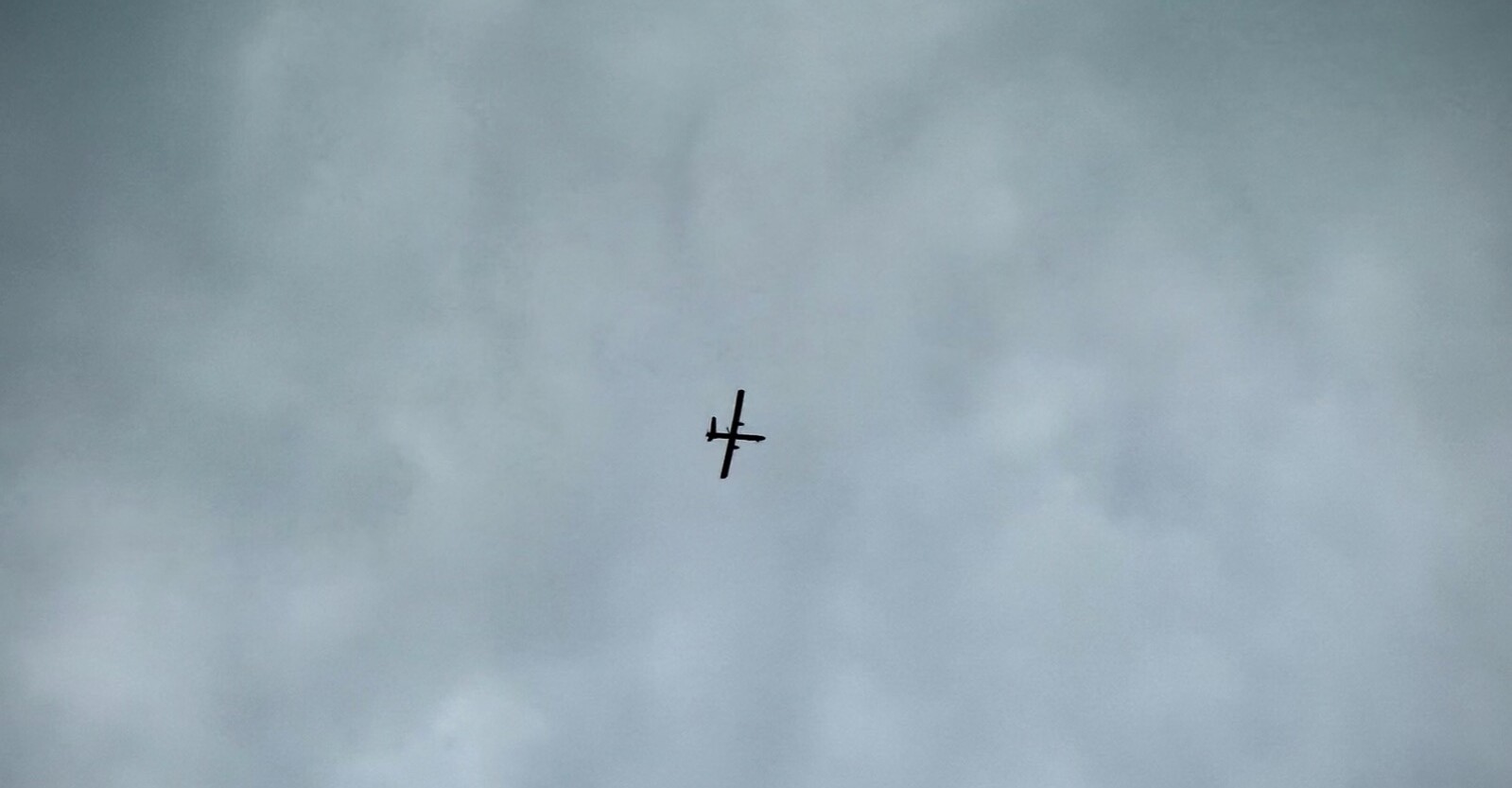
Monitoring the Patient While the Sky Monitors You.
Medical neutrality becoming psychologically uncertain. The Red Cross, ambulance, hospital, scrubs, or medical role ordinarily signify protection and neutrality. Under persistent surveillance, you may intellectually understand those protections while simultaneously feeling that being identifiable does not necessarily make you safe.
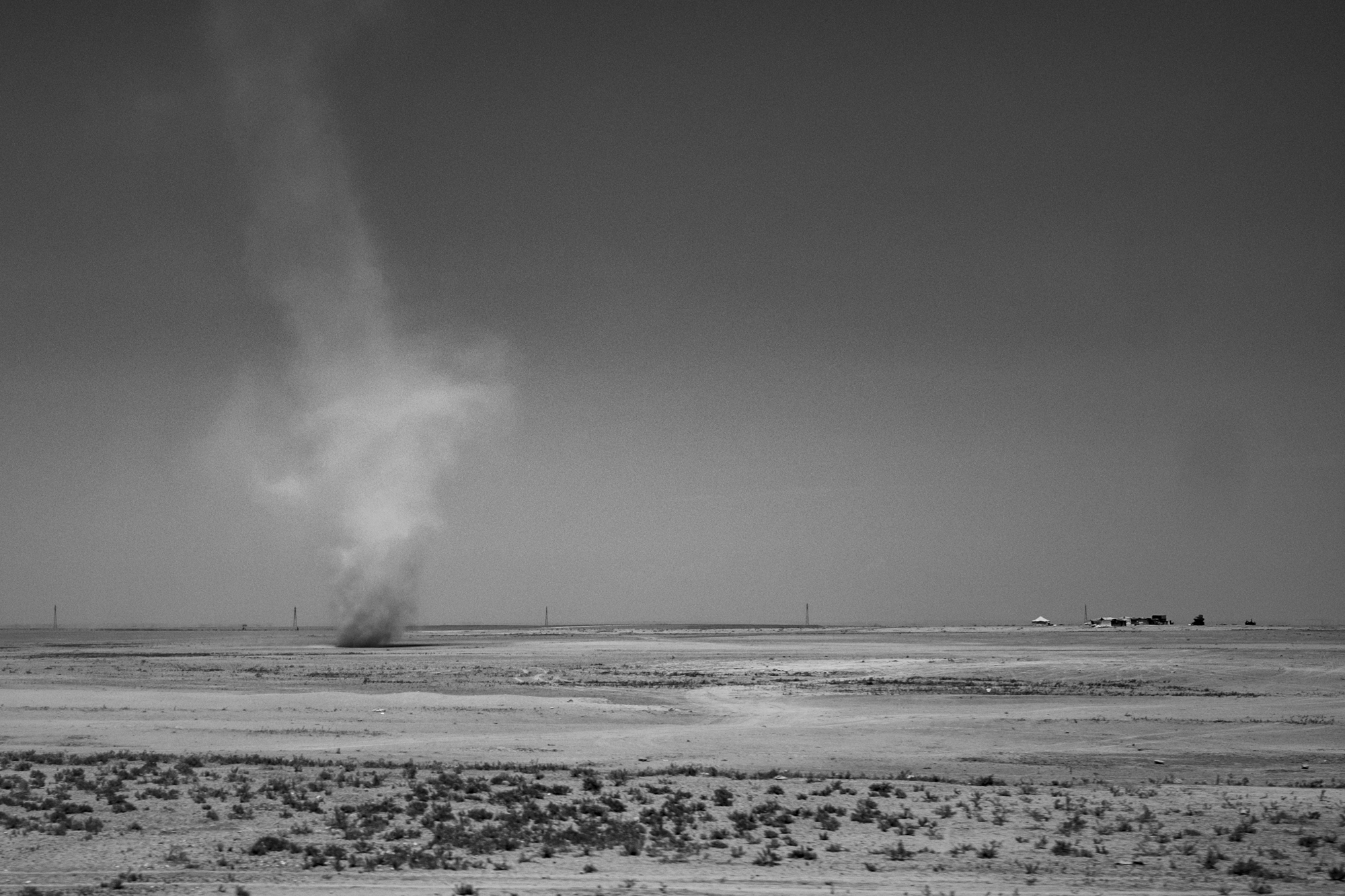
Heat – More than just hot
Climate change will lead to an increase in prolonged heat waves. Yet heat is much more than just a weather phenomenon. It affects our social life, health, the environment, politics, and, very specifically, our operations in crisis areas – and thus becomes a matter of global justice.