Complex crisis – simple answer: solidarity!
Published on 29. April 2025
from Jonas Gruenwald

In the “Off the Record” commentary series, we provide our staff and volunteers with a space to share their experiences from missions and their work with CADUS, as well as their thoughts on humanitarian aid, politics, and society. The views expressed do not necessarily reflect the opinions of the CADUS organization.
“The fundamental weakness of Western civilization is empathy,” said chainsaw-wielding multi-billionaire Elon Musk in a recent podcast. This quote sums up a worrying world view that is currently evident in the USA, but also in many other countries around the world.
A shift to the right, an ever-widening gap between rich and poor, a crisis of democratic institutions – these are all symptoms of a world view in which power, strength and selfishness are considered the highest commandments. At a time when ‘deals’ disregard and undermine international agreements, decisions affecting the lives of millions are made over their heads in the scramble for profits and national advantage in a distribution war. The negotiations over the future of Ukraine and the Gaza Strip are the most recent examples of this.
Arm, deport, isolate
“Arm, deport, isolate” seems to be the motto in Germany too. Important issues such as the climate crisis and its consequences are completely pushed into the background. However, these populist demands are not suitable as a solution to such complex crises. There will be no simple solution – and certainly not a hardening and lack of empathy in society.
In general, the question arises: what empathy is Elon Musk talking about? Are the tens of thousands of people dying in the Mediterranean at Europe’s borders an expression of empathy? Were the US wars in Afghanistan and Iraq signs of empathy? Is it the ongoing exploitation of the global South by the West? Is it empathetic to choose one’s own economic interests over human rights when in doubt?
Yes, but…
In this respect, Elon may even be partly right: the empathy of “the West” is a weakness – because it is inconsistent! The implausibility of “the West” to represent its own values, to forgo profits and to be a real alternative and refuge for people in search of a better life, is at least one reason for the current crisis.
Empathy without action remains compassion – empathy with action becomes real solidarity! This is what “the West” lacks. Solidarity that recognizes humanity as a value in itself, alleviates acute suffering , takes ownership of the supposed crises of others and seeks solutions together.
From veneer to foundation
Solidarity will not magically solve every problem or crisis. But it does make it easier. It is the simplest answer to global challenges that affect us all. It doesn’t matter whether it’s about “the West” or any other construct – solidarity must be boundless!
In addition to all the uncertainty and concern about the future, the cracks in the civilized veneer have now come to light. It is up to all of us to start right there, to fill them with solidarity and to create a real foundation for humanity!
#GlobalSolidarityNow!
About the author:
Jonas has been part of CADUS since 2015 and has held many positions in the organization since then, from the board to logistics. For the past few years, he has mainly been involved in public relations and WASH. In addition to humanitarian response, he is interested in political and social issues and is also a very practical advocate for a more solidary society.
Swiftwater Training – Two Testimonials
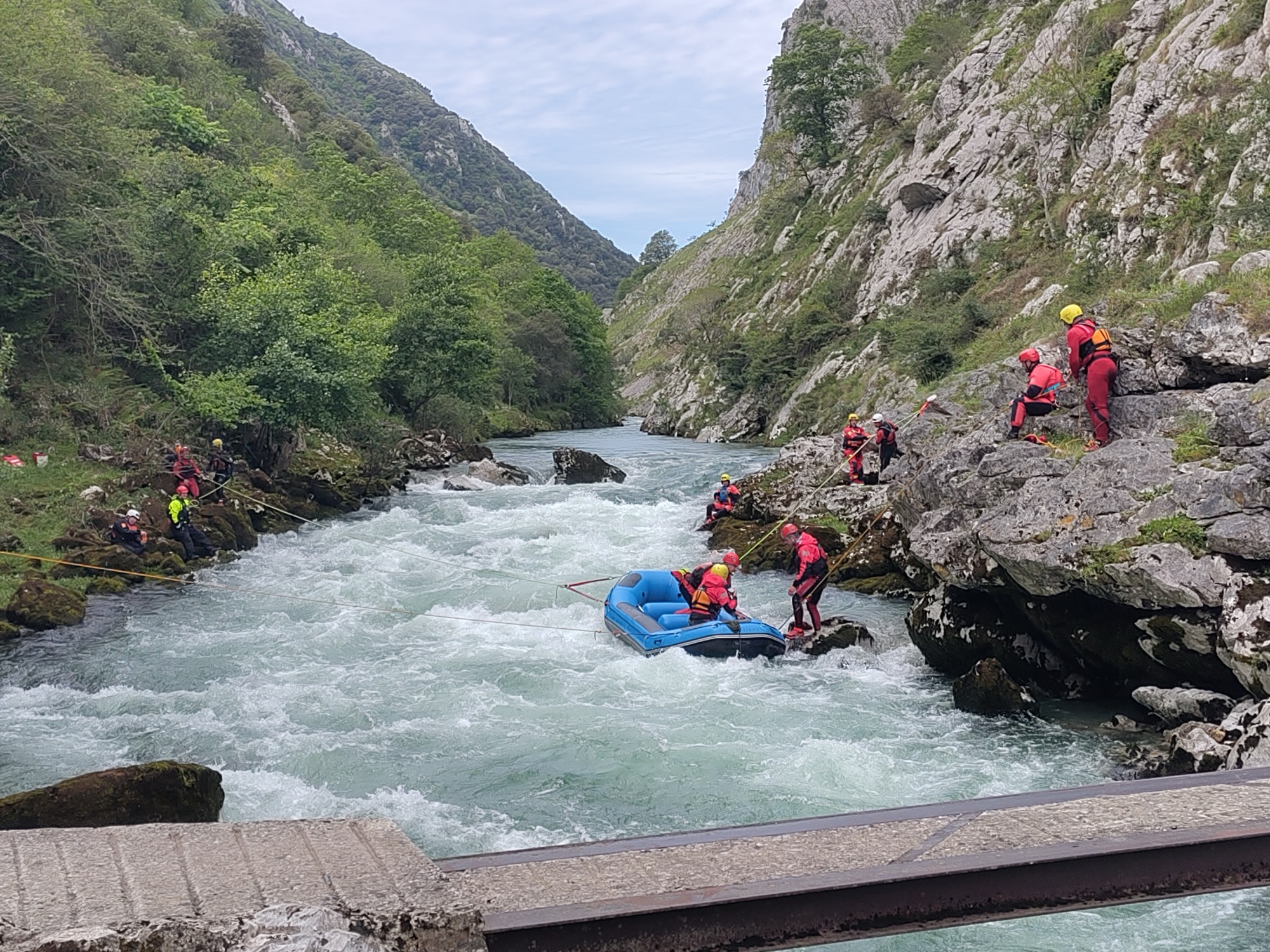
As a result of climate change, extreme weather events and flooding will increase worldwide. As part of our Climate Emergency Responder program, four CADUS volunteers therefore participated in a training course for instructors in current rescue. Sanne and Laura share their experiences with whitewater here.
Meet our Team: Dr. Corinna Schäfer
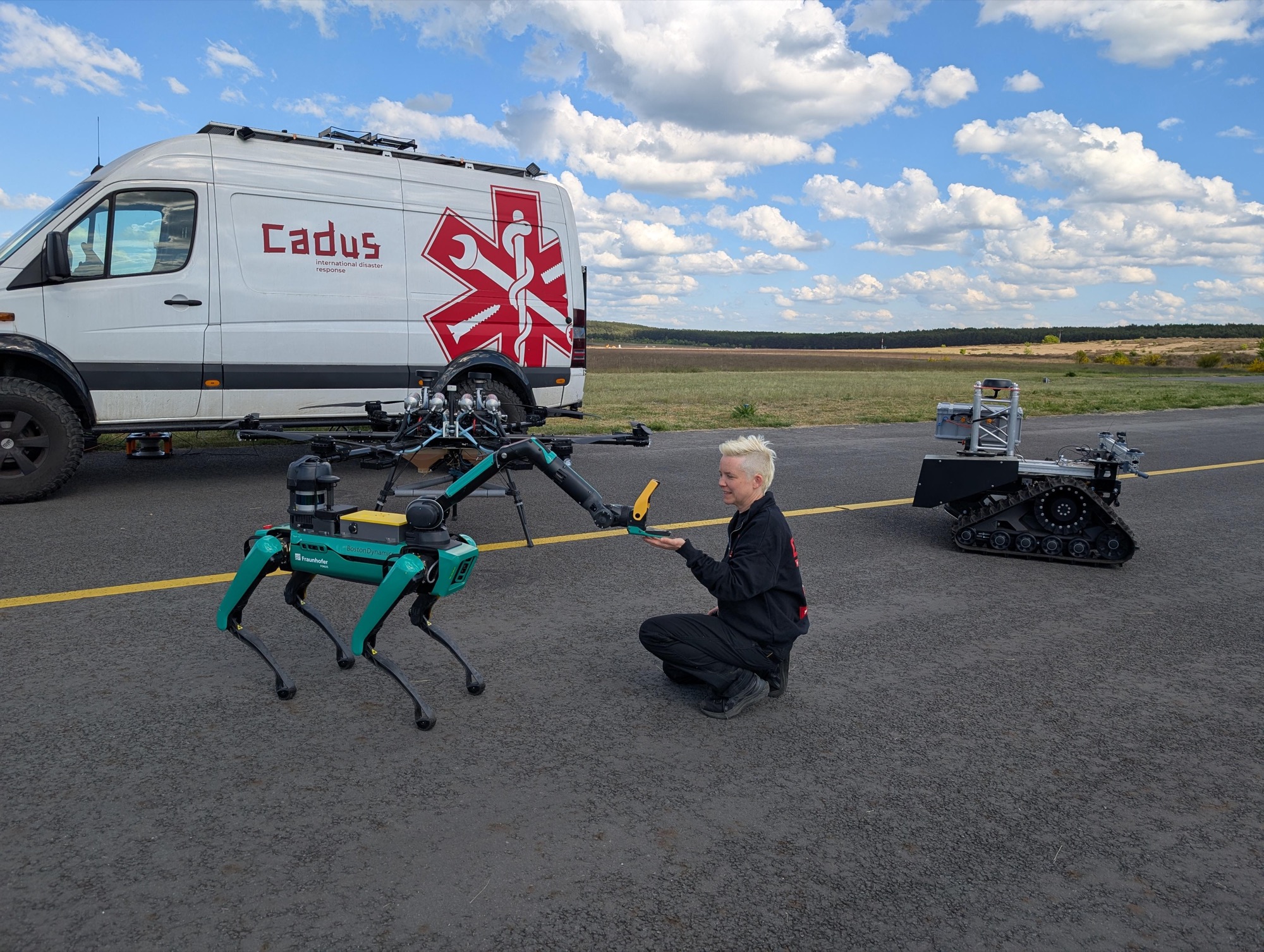
When people think of humanitarian emergency aid, they usually picture doctors saving lives in makeshift tents. But the reality of today’s crisis response missions involves more than that. It consists largely of logistics, infrastructure, and—increasingly—cybersecurity. Our colleague Dr. Corinna Schäfer
Shelter Diary
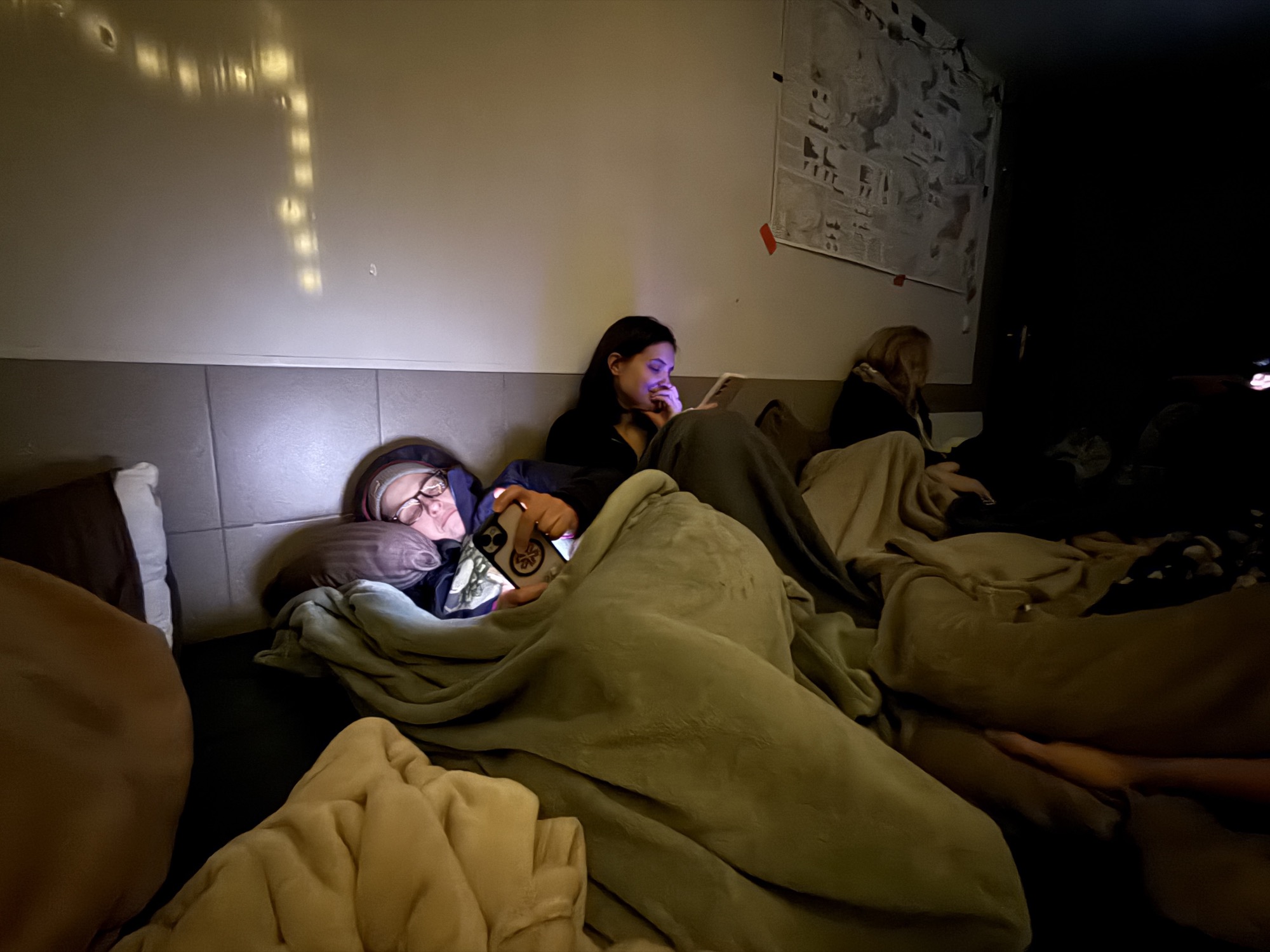
The people of Ukraine are under constant threat of the drone and missile attacks from the Russian military. Residential areas and civilian infrastructure are repeatedly targeted, and there are regular reports of deaths and injuries. Our teams, too, must deal with this danger. In the following brief excerpts, one of our staff members describes her experiences over the past few days.