Three years of war in Ukraine – three years of emergency response
Published on 24. February 2025
from Lara Solty
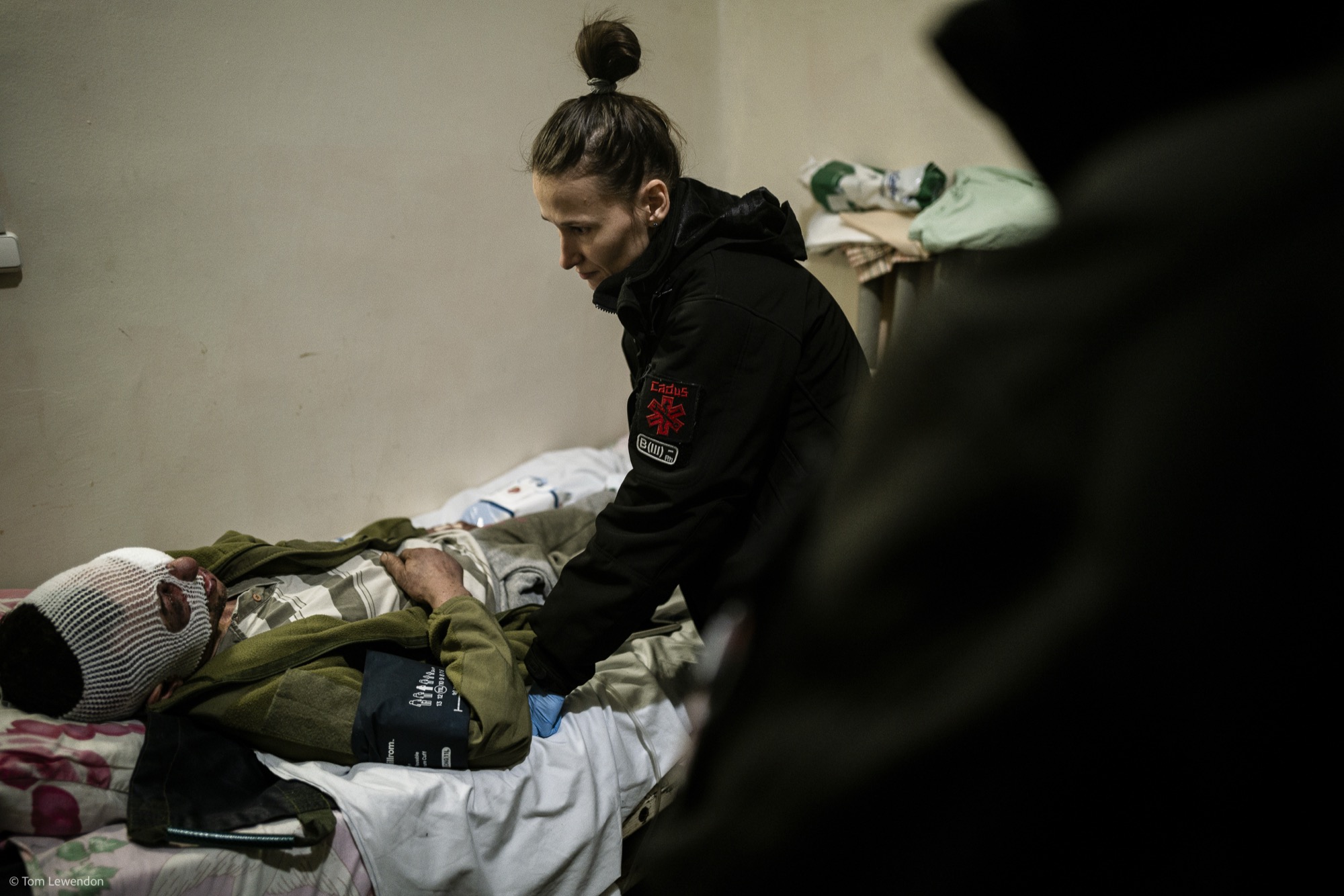
We have been providing emergency medical aid in Ukraine for three years. Photo: Tom Lewendon
It is exactly three years to the day since Russia attacked Ukraine. 11 years since the occupation of Crimea. For the people of Ukraine, this means having to live their lives under the most adverse conditions, despite death and destruction. We have been supporting people in Ukraine for three years. A blog post from our team in Ukraine:
The humanitarian situation in Ukraine remains critical. Since the large-scale attack in February 2022, the situation for the civilian population has steadily worsened. Particularly in the east and south of the country, the security situation remains volatile, with ongoing attacks on critical infrastructure, residential buildings, and medical facilities.
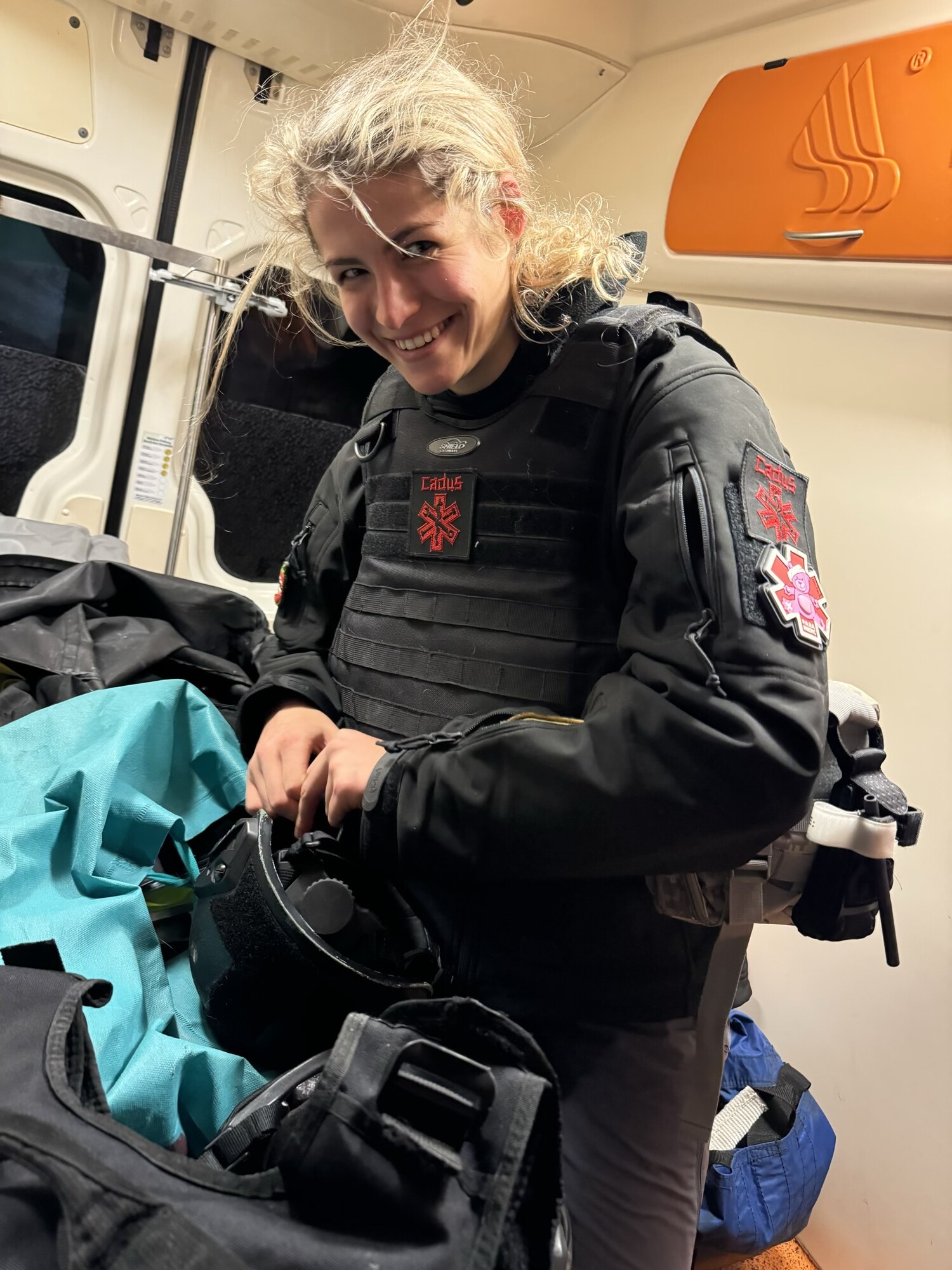
Protective equipment is an important part of precautionary measures to counter the dangers of the operation. Photo: Tom Lewendon
Our work has developed steadily over the past three years. What began with medical training in Lviv in the west in 2022 initially led to the distribution of relief supplies and medical equipment, reconstruction aid with our Mobile Makerspace and finally resulted in the establishment of three teams that are now active in Dnipro, Sloviansk and Sumy. There we carry out medical evacuations and provide emergency care – adapted to the constantly changing situation on the ground.
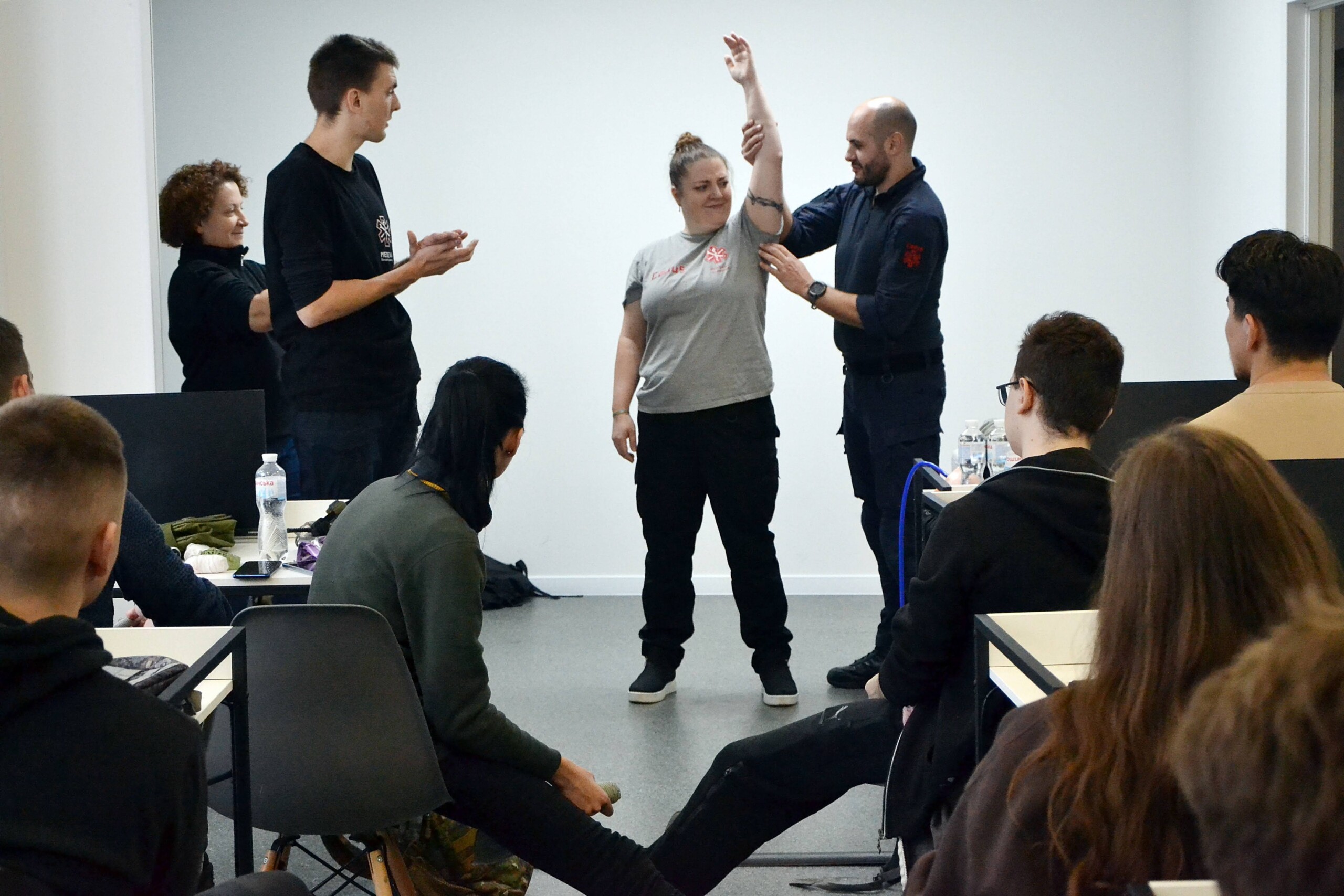
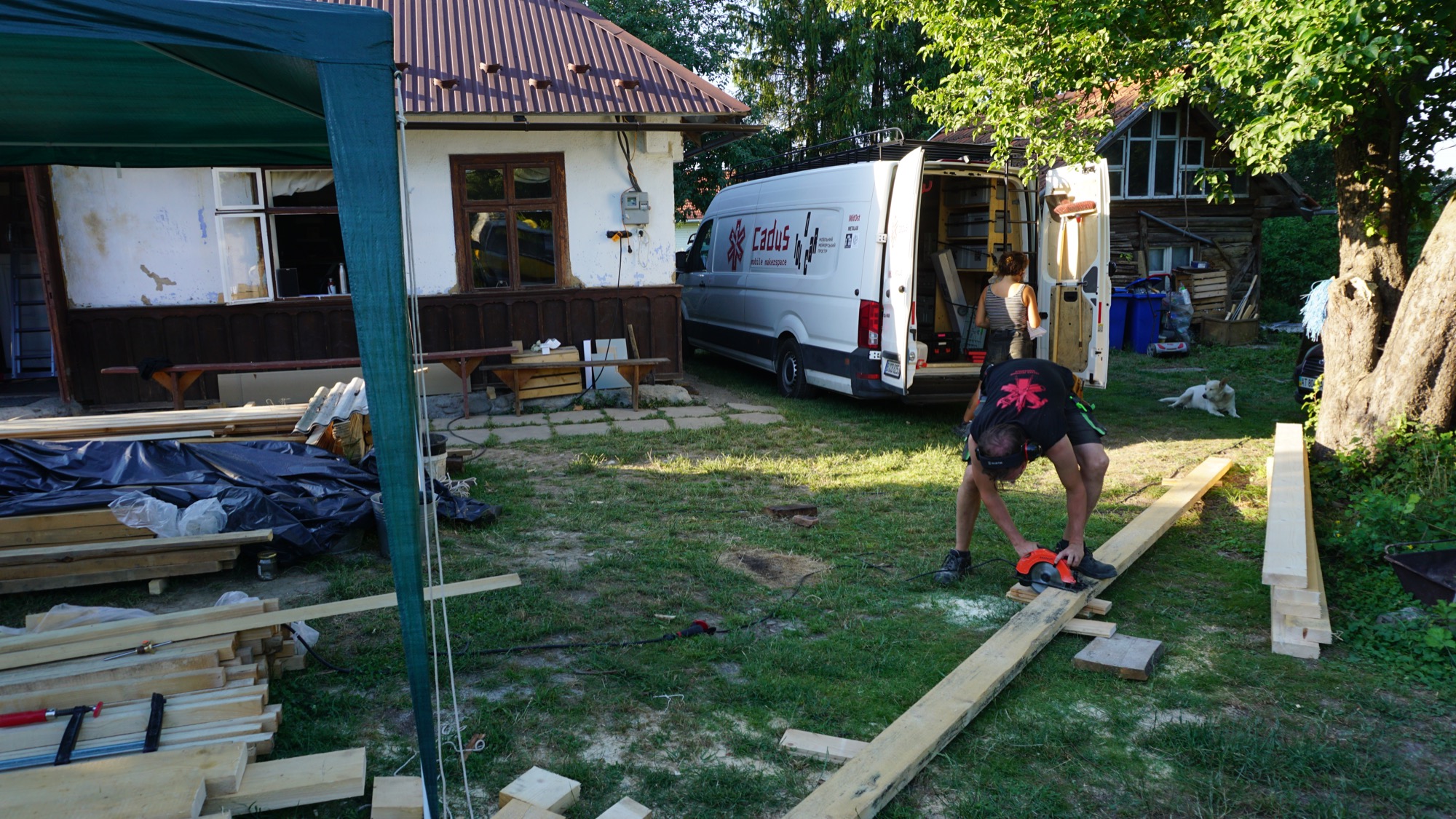
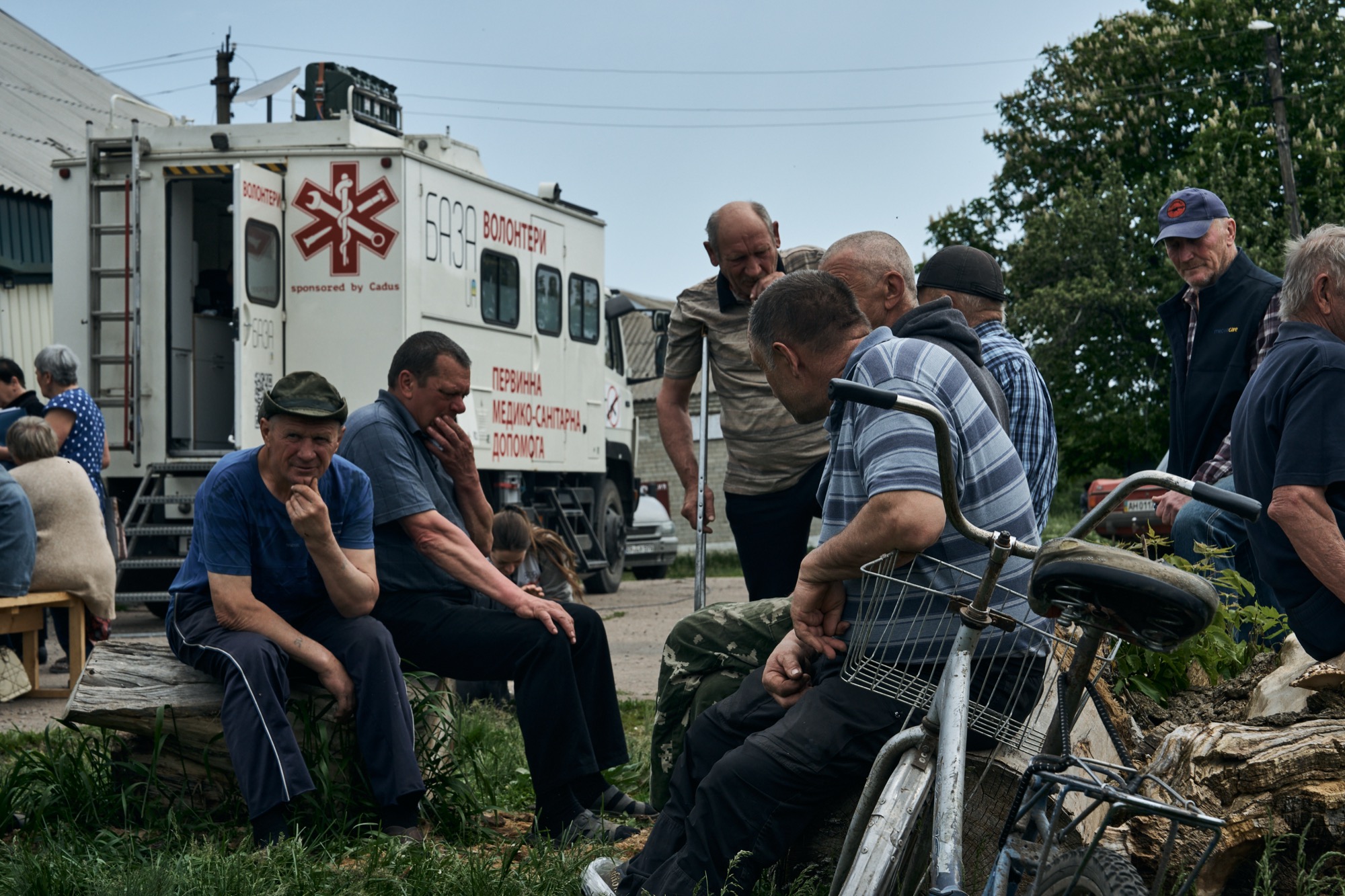
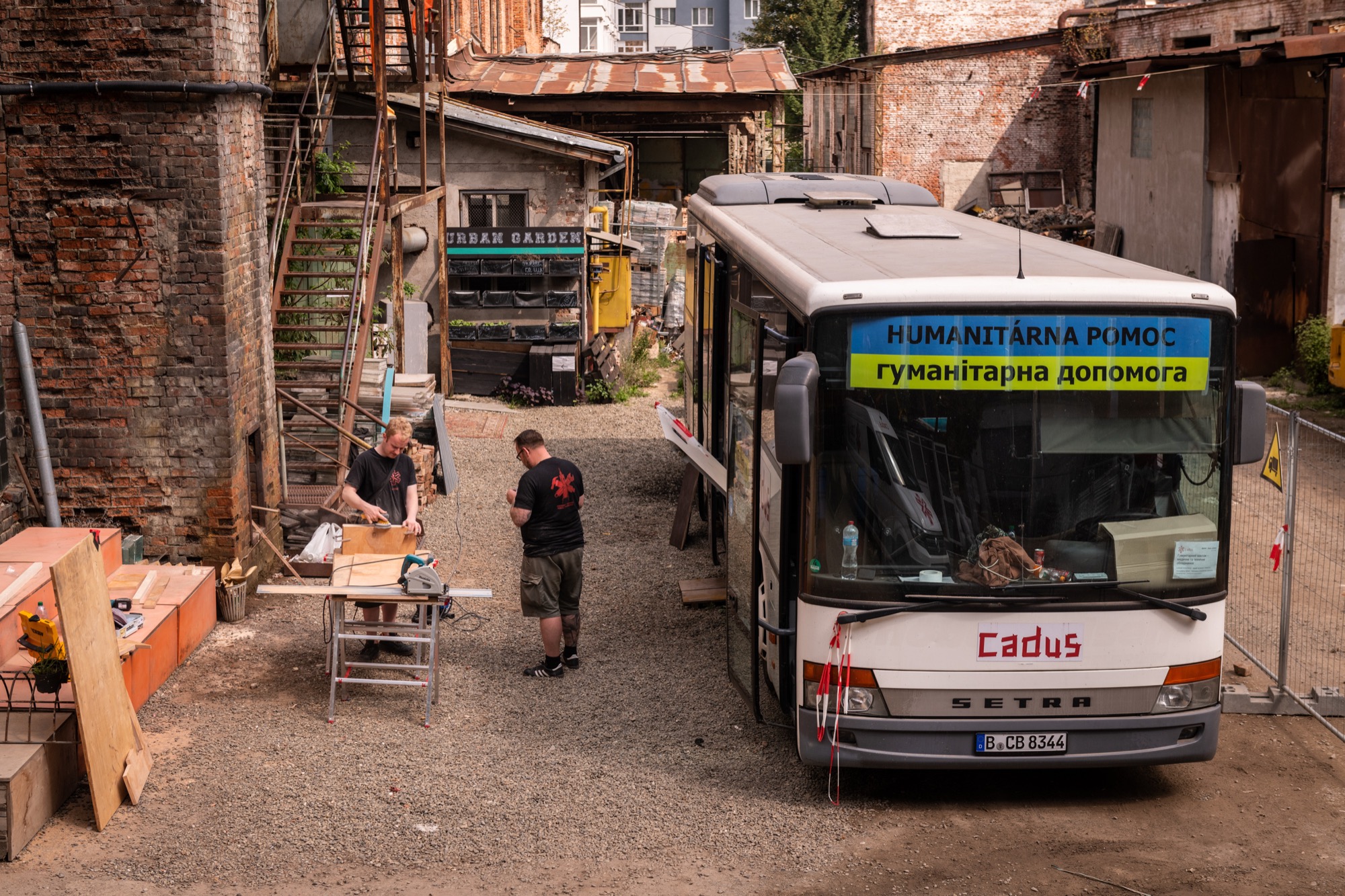
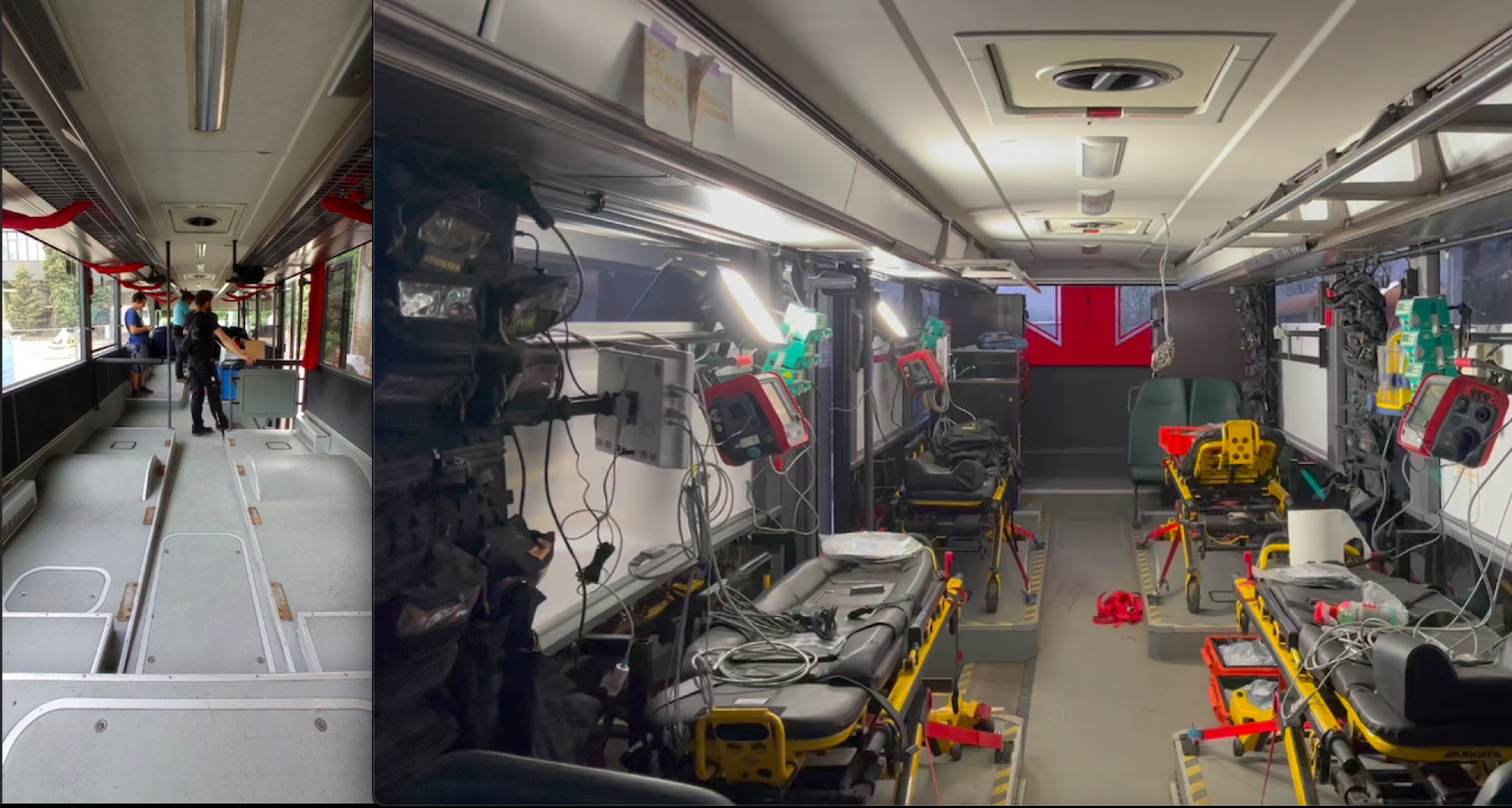
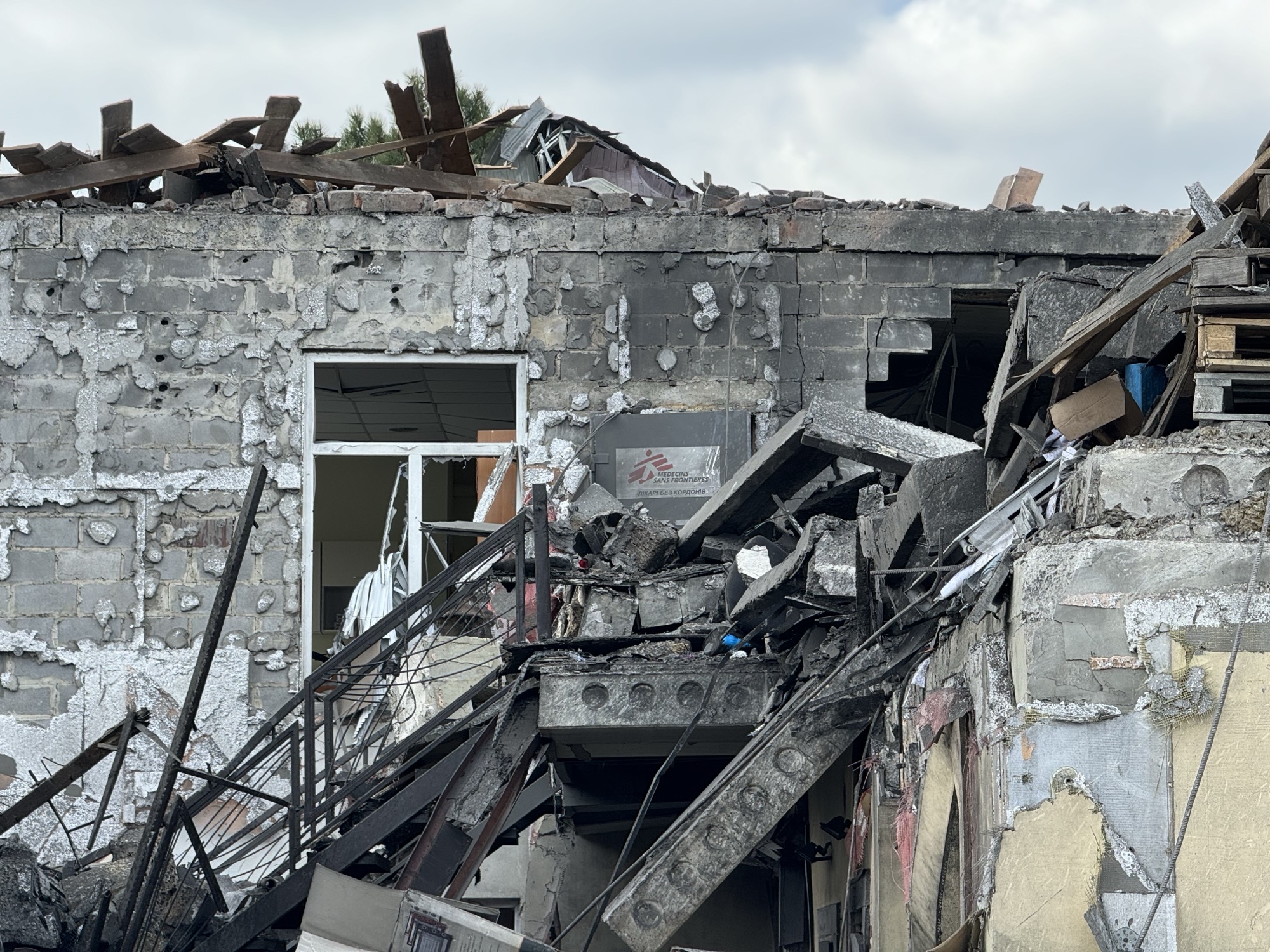
Our emergency response was and is diverse: from training, donations of materials, equipment and vehicles, reconstruction aid to medical care. Photos: CADUS
Expansion of emergency relief
A decisive step was the opening of our third base in November 2024. With three locations, we are now better positioned to meet the growing need for medical evacuations and to respond more flexibly to changing frontline situations. In 2024, our teams transported a total of 866 patients, covering over 100,000 kilometers. Around 33% of patients were in a critical condition (ICU level 3, e.g. patients requiring ventilation or with multiple damaged organs) and 25% ICU level 2 (e.g. after major surgery), which underlines the urgency and complexity of our missions.
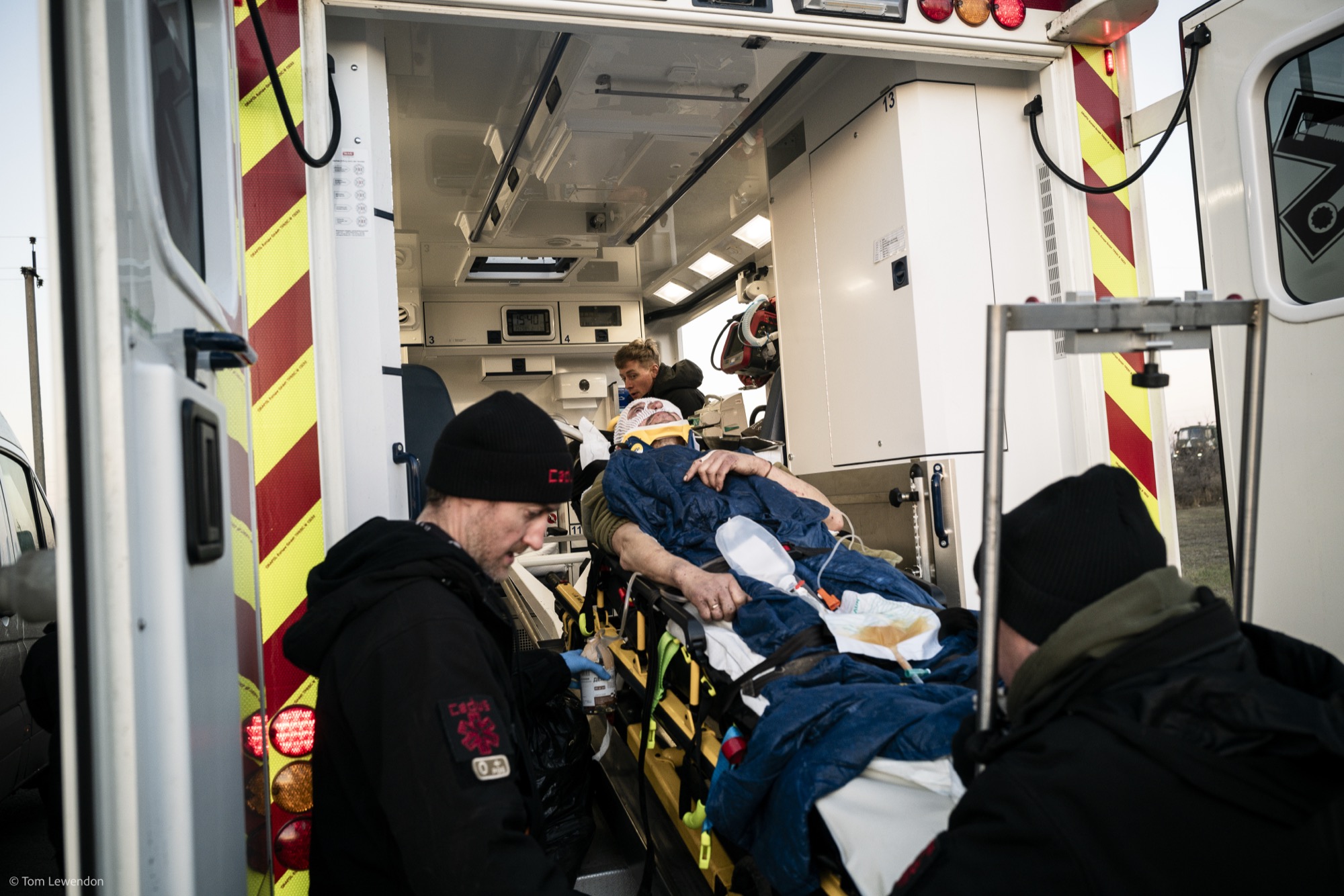 In the so-called MedEvacs, seriously injured or seriously ill patients are transferred to safe hospitals that can provide the necessary treatment. The transports mainly take place from eastern Ukraine to the west. Photo: CADUS
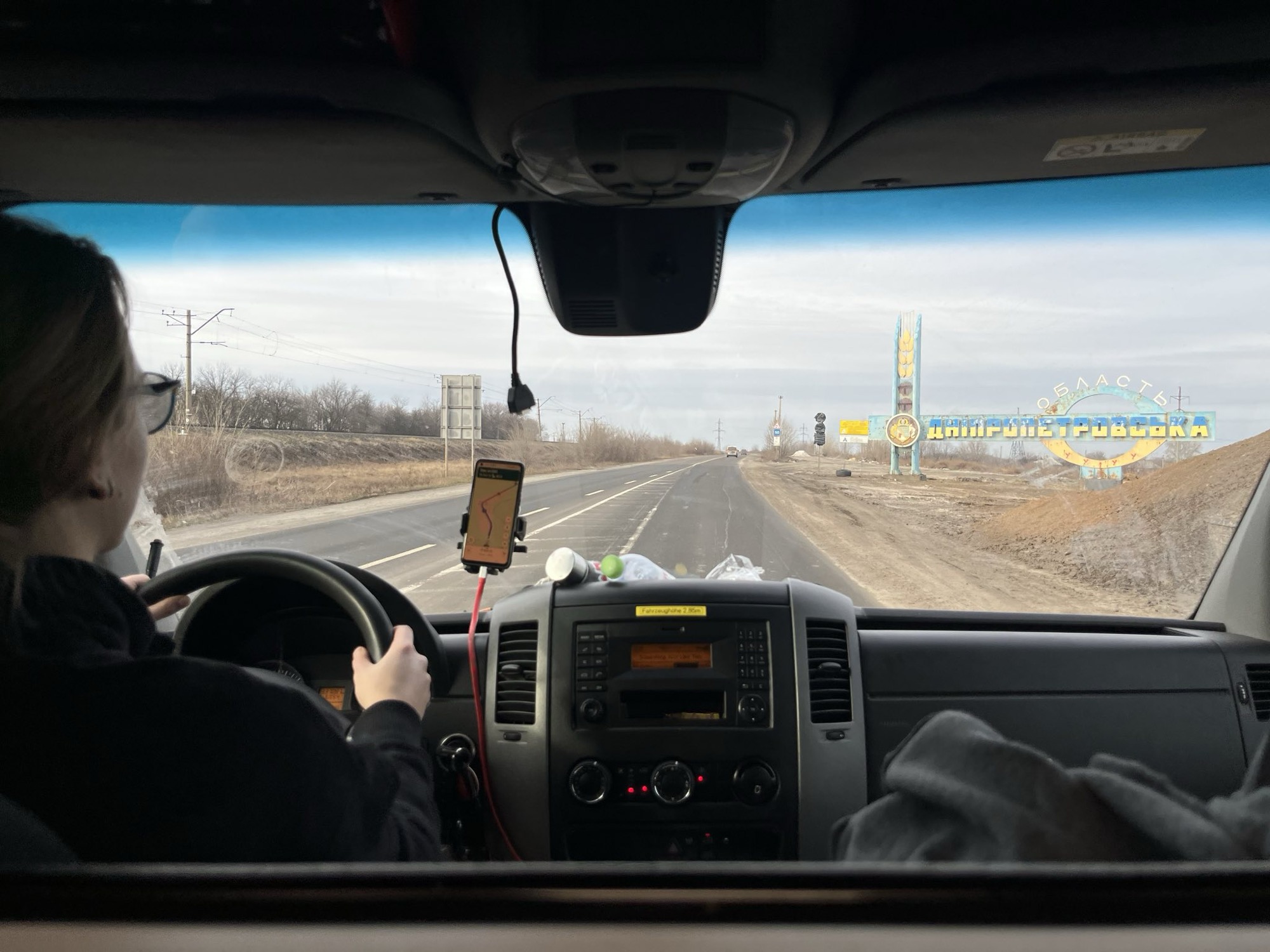 In a country as large as Ukraine, the distances between hospitals are long. A challenge for patients, our teams and our vehicles. Photo: CADUS
The political situation also remains tense. The ongoing war and the international response to it are affecting humanitarian aid on the ground. Changes in the geopolitical context, including in particular the Trump administration’s decisions and their potential impact on international support for Ukraine, raise many questions. Nevertheless, our focus remains clear: direct support for the people on the ground.
Uncertain future
Looking ahead, we expect the need for medical evacuations and humanitarian aid to keep rising. Winter presents an additional challenge, as attacks on energy infrastructure regularly cause power outages, making conditions more difficult for both patients and medical staff. Many of the patients we transport during the winter months suffer from hypothermia or chronic illnesses, which are exacerbated by the lack of heating and electricity.
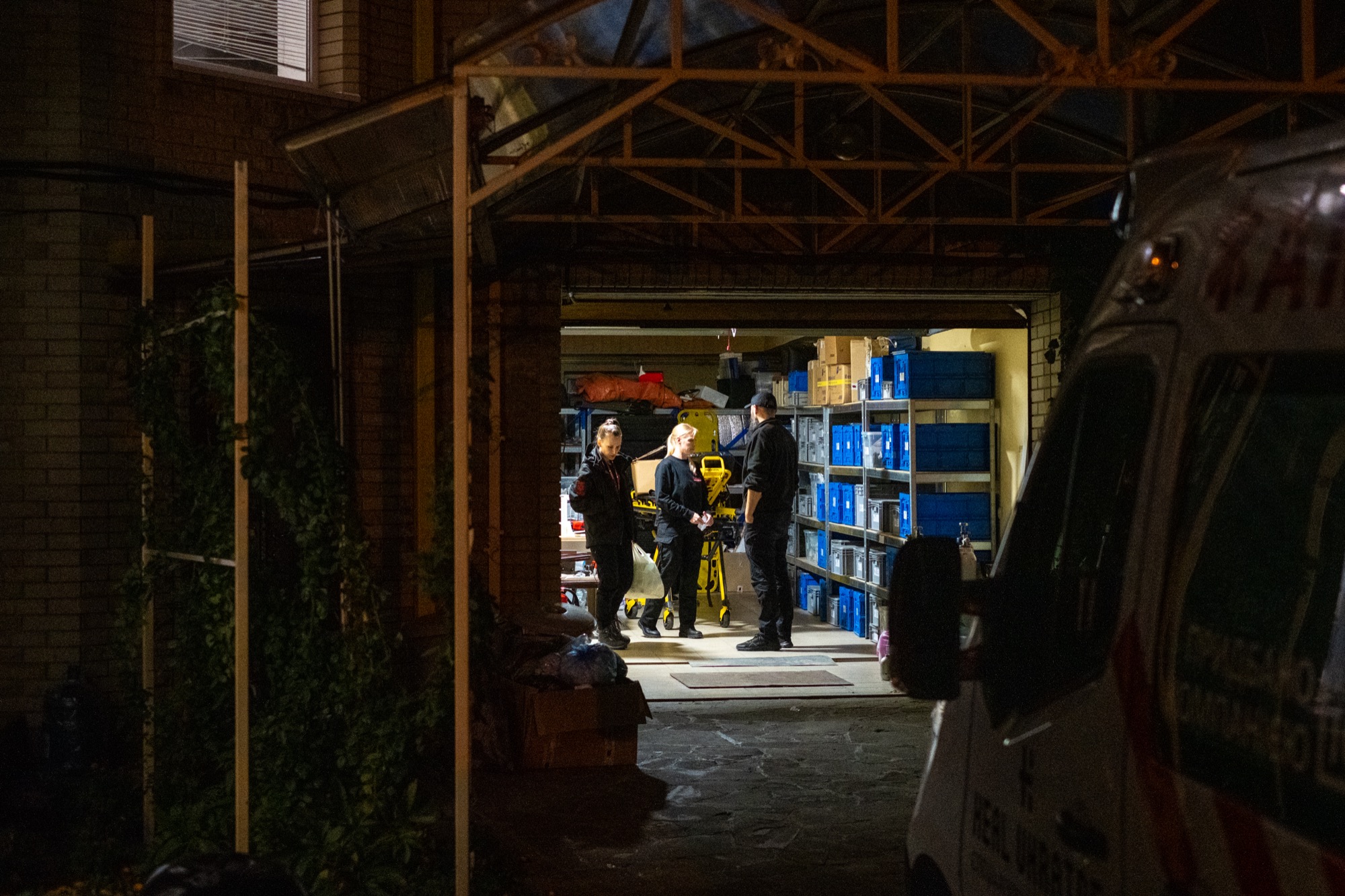
A just peace is currently not in sight. We will continue to support the people in Ukraine from our three locations as part of our emergency aid. Photo: CADUS
Our wish remains that this war will come to an end and that humanitarian aid will no longer be necessary. Until then, we will continue our work – with determination and the aim of saving lives and strengthening local structures. Help us with your donation!
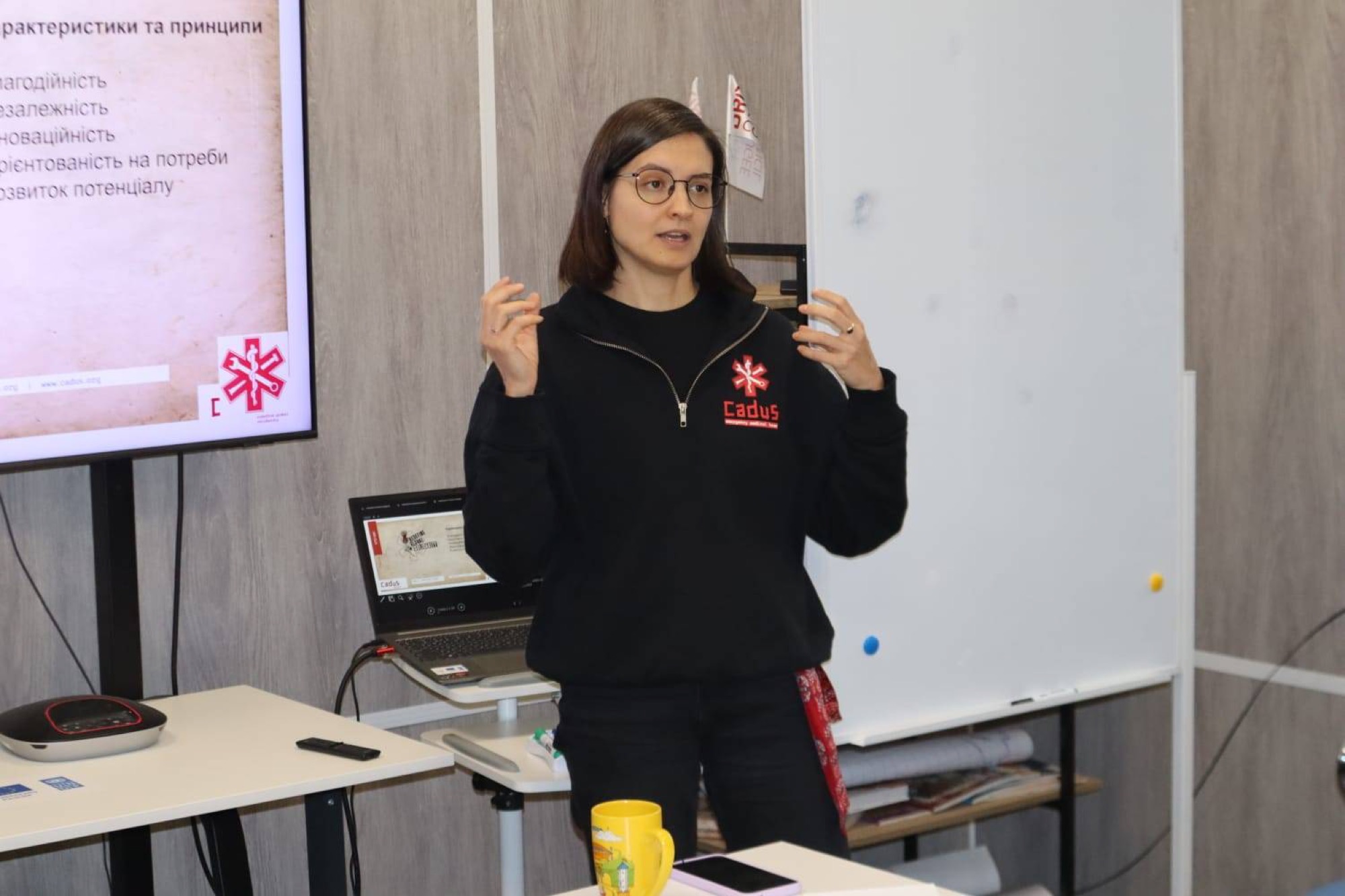
Meet our Team: Nastia, Infield Operations Coordinator in Ukraine
In this interview, we sat down with our Infield Operations Coordinator, Anastasia Vorobyova, in Ukraine to learn more about her background, her day-to-day life on the ground, and what drives her to continue her essential work. She shares her journey from running a language school to joining the humanitarian response, the realities of living in a conflict zone, and the incredible resilience of the people around her.
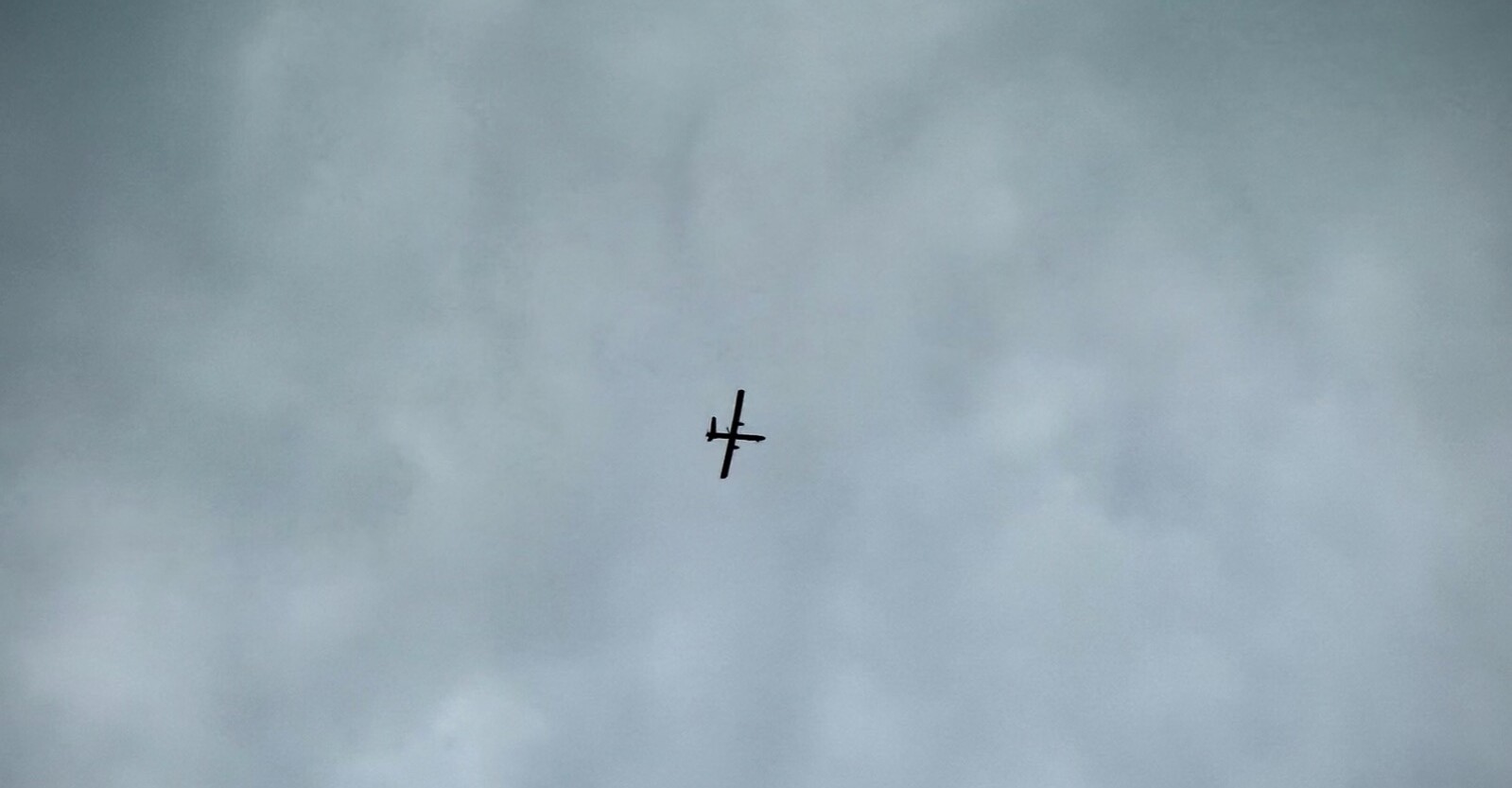
Monitoring the Patient While the Sky Monitors You.
Medical neutrality becoming psychologically uncertain. The Red Cross, ambulance, hospital, scrubs, or medical role ordinarily signify protection and neutrality. Under persistent surveillance, you may intellectually understand those protections while simultaneously feeling that being identifiable does not necessarily make you safe.
Heat – More than just hot
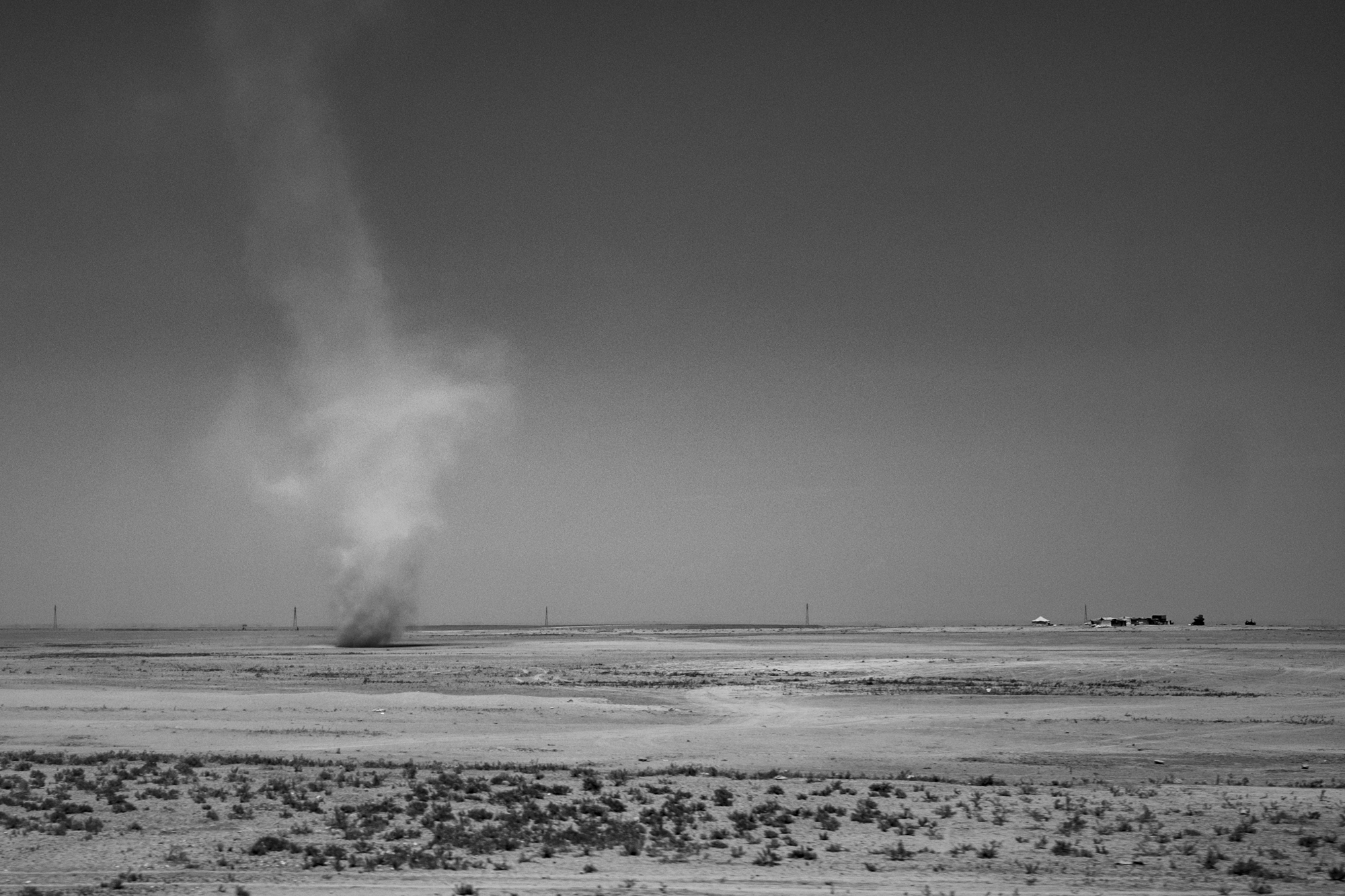
Climate change will lead to an increase in prolonged heat waves. Yet heat is much more than just a weather phenomenon. It affects our social life, health, the environment, politics, and, very specifically, our operations in crisis areas – and thus becomes a matter of global justice.