Moria – ignoring not helping
Published on 23. October 2020
from CADUS-PR
moria-ignoring-not-helping-feature-moria20abgebrannt-8bdd9775
Despite the obvious emergency on the island of Lesvos and official requests for support, the Greek government is delaying rapid assistance from independent organizations.
“We really need the help of the European Commission. I really need the help of the UN”. This is how Joel sums up his situation and that of the refugees on Lesvos.
Rejected offers
Since May, we have offered the greek government our support in supplying the refugees through various channels. Each time we fell on deaf ears. They seemed to rather hold on to the inhuman conditions in the camp Moria, although the aggravated emergency by COVID-19 was obvious. Our mission, with the support of the Robert Koch Institute and a mobile test laboratory from the Bernhard-Nocht-Institute, was rejected.
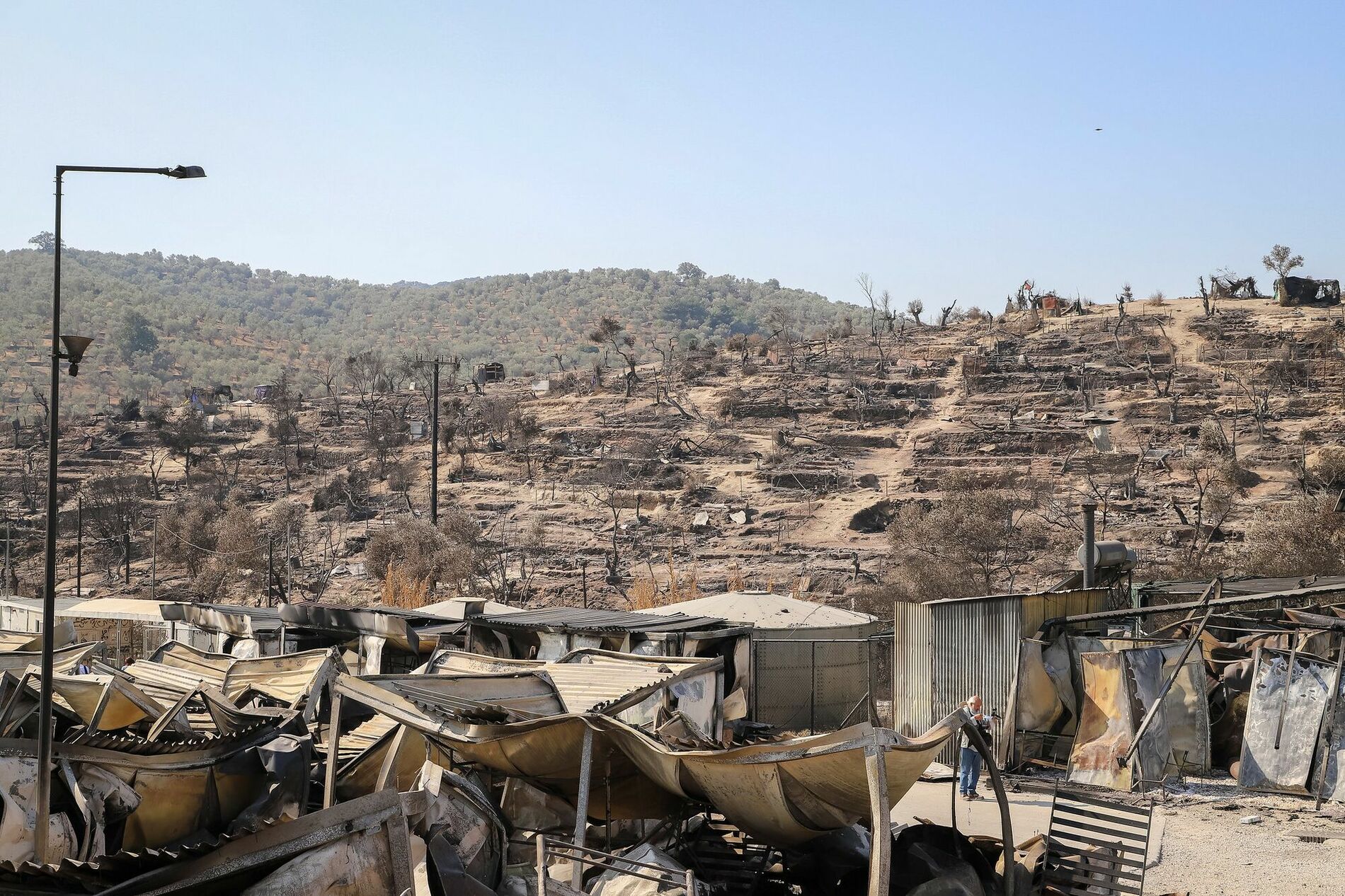
Since the notorious Camp Moria burned down on the night of September 8th, most of the former inhabitants live on the streets of the island under the most adverse conditions. Aid organizations are prohibited from supplying people, the press is driven away and police and military control the area.
A new camp has been set up on a former military restricted area, but there are many indications that a new moria is emerging here. Only a few fugitives make their way to this new camp, the majority prefer the harsh conditions of the road. This is how great the fear of a Moria 2.0 is among the people.
Louis, who has been providing medical care to refugees on Lesvos for several weeks and is also part of the CADUS Medic Team, describes his impressions in the following interview:
Will there be a mission after all?
Shortly after the fire, the Greek government made an official request to the WHO for support by Emergency Medical Teams (EMT). We pulled out all the stops to mobilize our team and respond to the request, even though it seemed a bit strange to see the help that had been refused for months suddenly requested now. Only two days later we submitted our offer and were ready to support on-site.
Independent help unwanted
But once again nothing happened – despite an official request we have not received any rejection until today. Only some governmental EMTs received a confirmation, we and other independent organizations were left in the dark. We can only speculate about the reasons, but we condemn this frivolous treatment of the helpers and resources of independent aid organizations.
We will make an effort within the EMT-Network to make sure that an assignment according to humanitarian principles will be possible in the future, especially in such politically explosive situations.
*photo unaltered, CC BY-NC-SA 2.0
Published
Author: by Jonas Grünwald
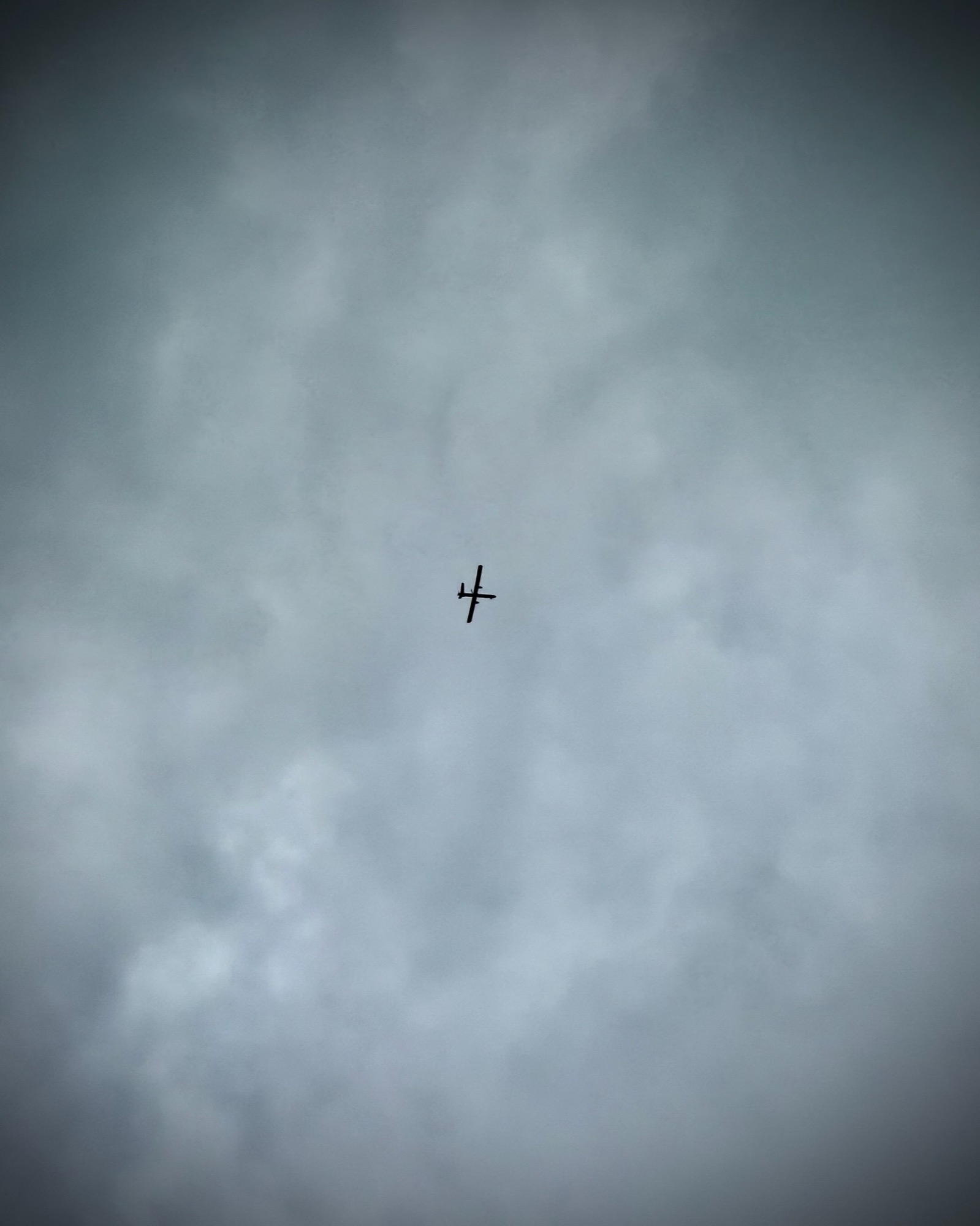
Monitoring the Patient While the Sky Monitors You.
Medical neutrality becoming psychologically uncertain. The Red Cross, ambulance, hospital, scrubs, or medical role ordinarily signify protection and neutrality. Under persistent surveillance, you may intellectually understand those protections while simultaneously feeling that being identifiable does not necessarily make you safe.
Heat – More than just hot
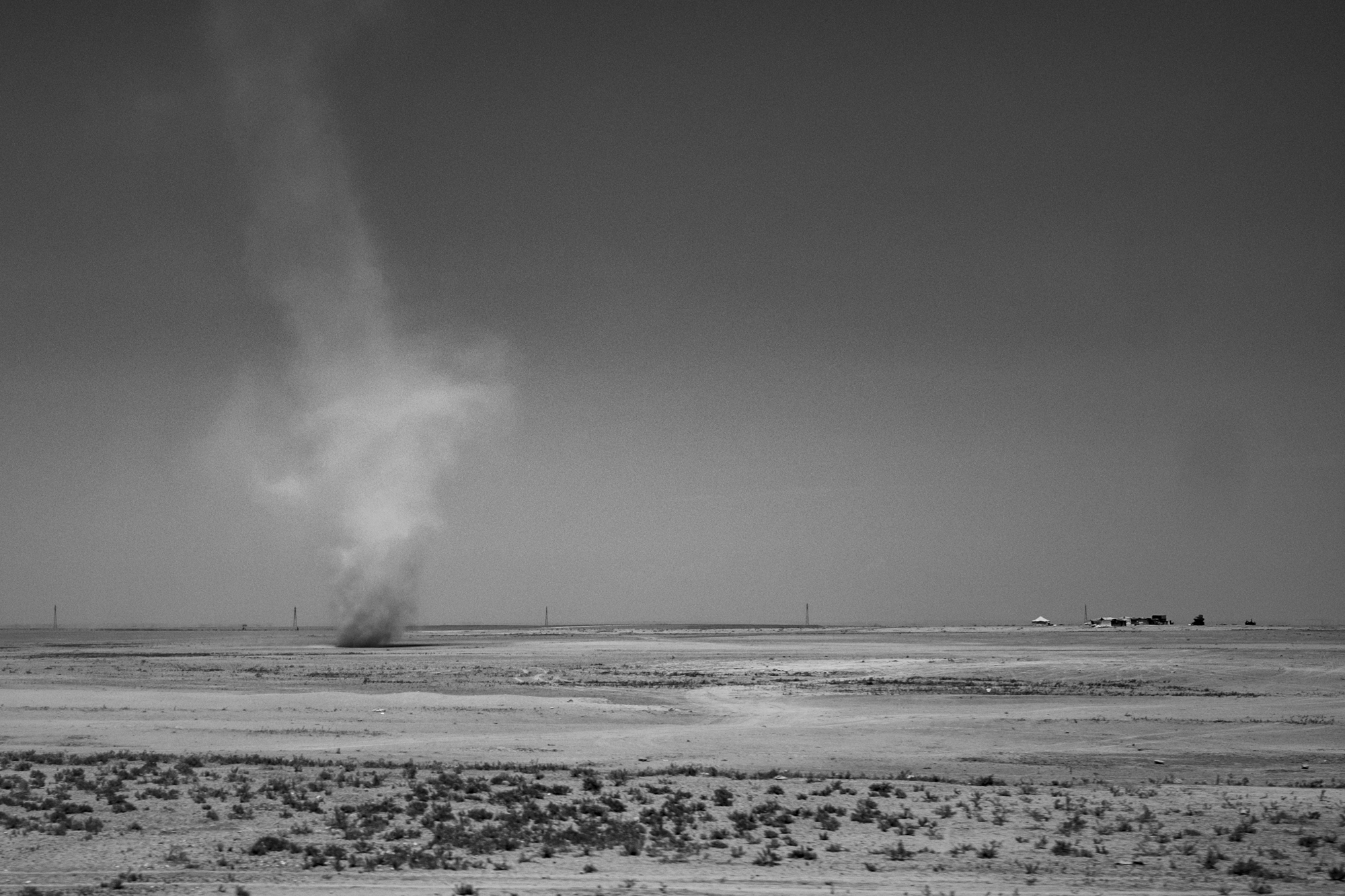
Climate change will lead to an increase in prolonged heat waves. Yet heat is much more than just a weather phenomenon. It affects our social life, health, the environment, politics, and, very specifically, our operations in crisis areas – and thus becomes a matter of global justice.
Meet Our Team: Felix, Head of Finance
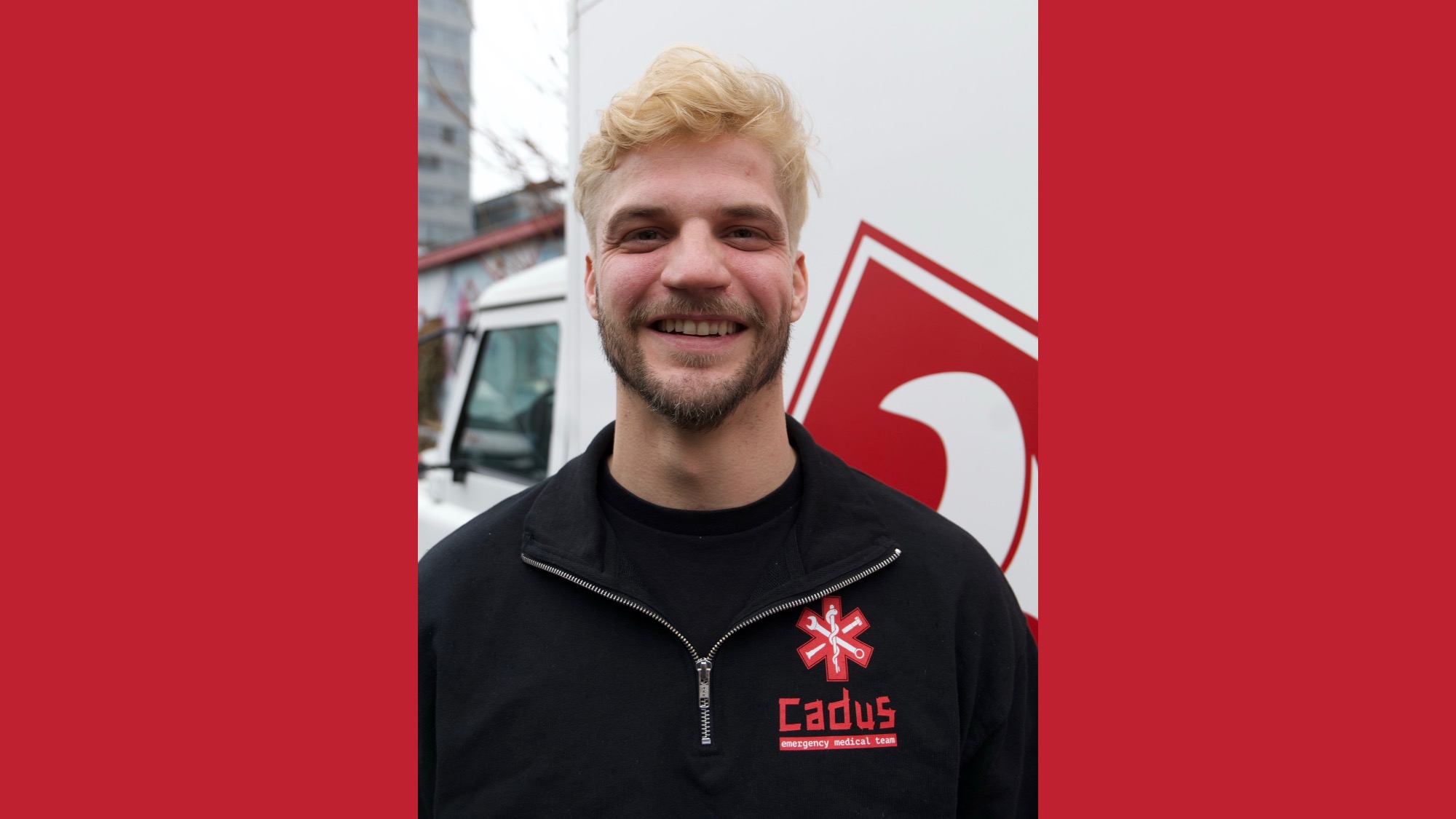
Behind every humanitarian response in a crisis zone is a team based in Berlin that ensures everything runs smoothly. One of them is our colleague Felix. He has been with CADUS for two years, and for over a year he has been leading our financial management as Head of Finance. In this interview, he explains how he and his team bridge the gap between the German tax office and the reality on the ground in a war zone.