Sea Rescue (Mind’n’Rescue)
Published on 31. January 2020
from CADUS-PR
OLYMPUS DIGITAL CAMERA
OLYMPUS DIGITAL CAMERA
Destination country/region: Mediterranean Sea (Aegean, Libyan coast)
Period: October 2015 – December 2016
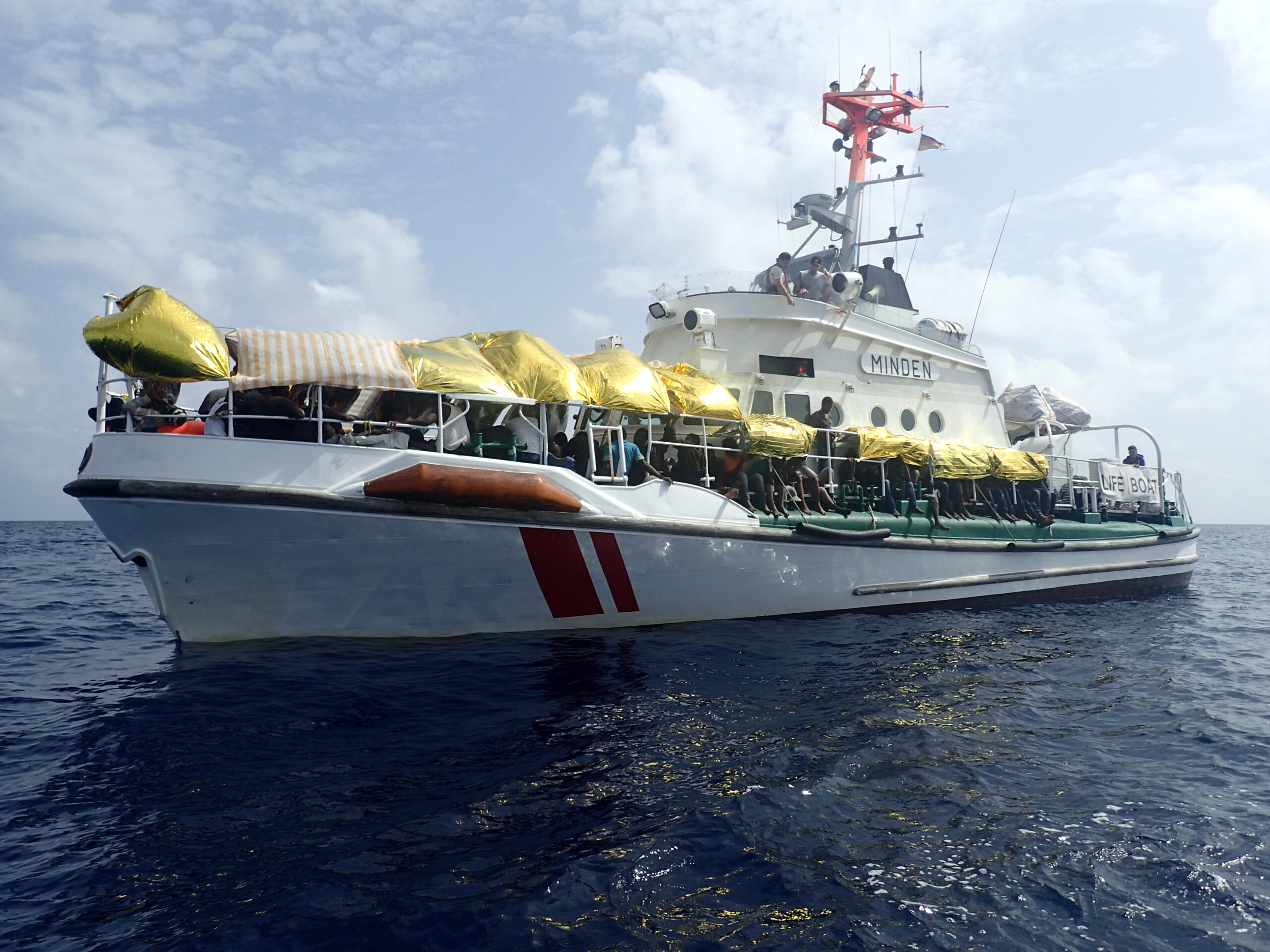
Due to the sharp increase in refugee movements via Turkey to the Greek islands in the Aegean Sea in 2015, we deployed speedboats and teams for “Search and Rescue” missions. Due to the shift of flight routes after the EU-Turkey deal to the central Mediterranean Sea in 2016, we operated the rescue vessel ‘Minden’ off the Libyan coast together with LifeBoat.
Project history:
The war in Syria, the strengthening of IS in Iraq and Syria, poor conditions in refugee camps in neighboring countries, armed conflicts in Afghanistan, Sudan, Libya, and Somalia, among others, caused an increase in fleeing people in 2015.
The route via Turkey and the offshore Greek islands was particularly affected by the refugee movements. During peak times, up to 3,000 people arrived on the islands every day. The relevant Greek and European authorities proved to be overwhelmed and/or unwilling to provide them with the necessary assistance. Numerous organizations and groups tried to fill these gaps.
We joined forces with Sea-Watch and sent Search and Rescue (SAR) teams to the island of Lesbos in the fall of 2015. There, we recovered boats from sea rescues and provided medical treatment to people, some of them in the notorious Camp Moria. In addition, we deployed the speedboat ‘H.E. Thomsen’ with Sea-Watch in early 2016 and at the same time organized an aid transport with clothing and food to the unofficial refugee camp Idomeni in Greece.
We also provided our speedboat ‘Rezai’ to the Basque organization SMH for the operation on Chios.
Kurzfilm: CADUS Search and Rescue Mission
After the disgraceful EU-Turkey deal worth billions to prevent people from fleeing to Europe in March 2016, there were hardly any new arrivals on the Greek islands. In contrast, the much more dangerous route across the central Mediterranean, where thousands of people had already drowned, was used more and more.
Therefore, we shifted our engagement off the Libyan coast and provided medical teams, equipment and our boat (RHIB, Rigid Hull Inflatable Boat) ‘Isabell’ for the sea rescue cruiser ‘Minden’ of our partner organization LifeBoat at that time. We rescued several hundred people from distress at sea during our missions. However, despite the tireless efforts of civilian sea rescue organizations, the inhumane situation in the Mediterranean continues to this day.
At the end of 2016, we withdrew from active sea rescue in order to focus our resources on our projects in northeastern Syria, such as the Mobile Hospital. Nevertheless, we supported other SAR organizations with material and funds until 2018.
We thank all donors for supporting our sea rescue.
#SafePassage #SeaRescueIsNotACrime
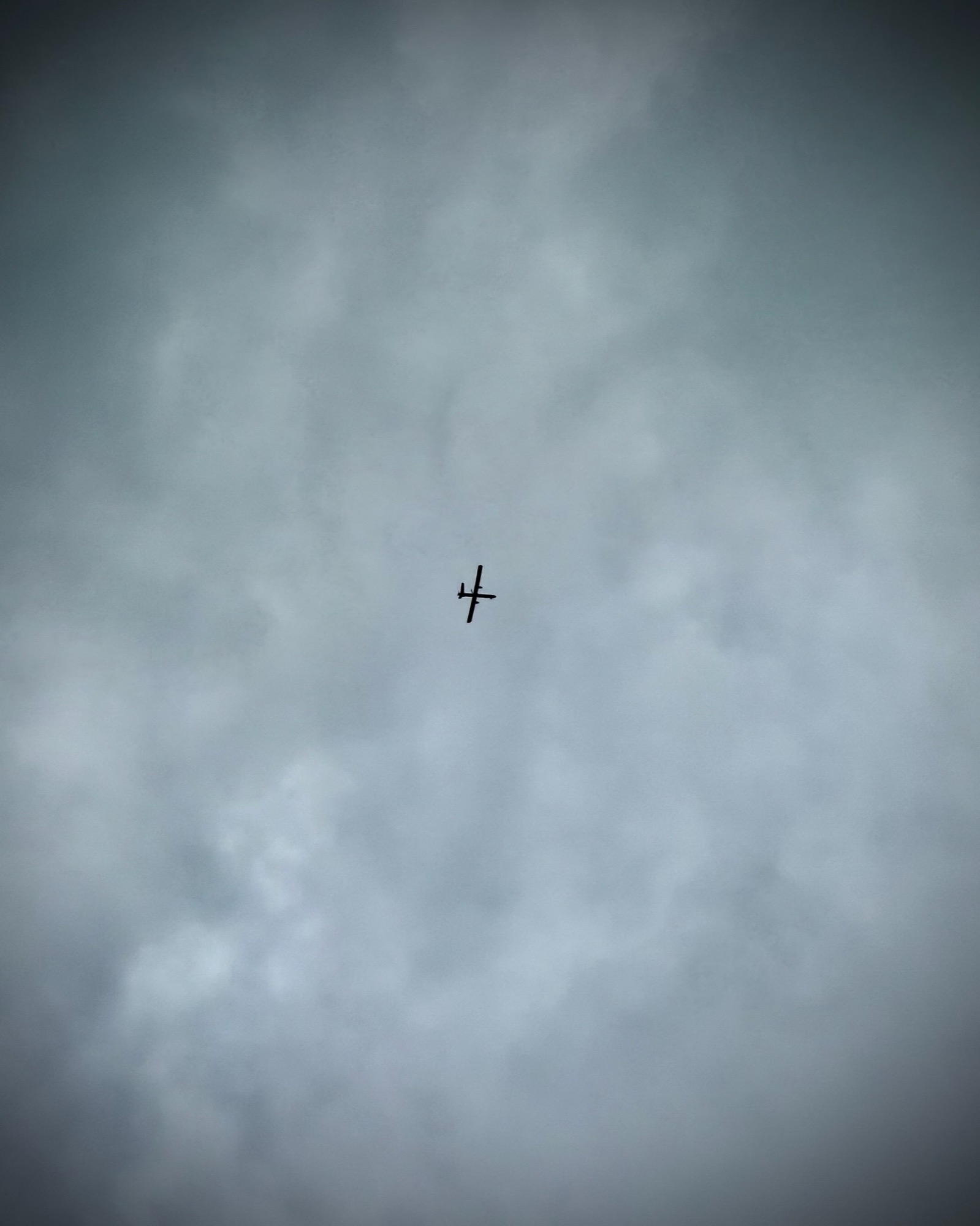
Monitoring the Patient While the Sky Monitors You.
Medical neutrality becoming psychologically uncertain. The Red Cross, ambulance, hospital, scrubs, or medical role ordinarily signify protection and neutrality. Under persistent surveillance, you may intellectually understand those protections while simultaneously feeling that being identifiable does not necessarily make you safe.
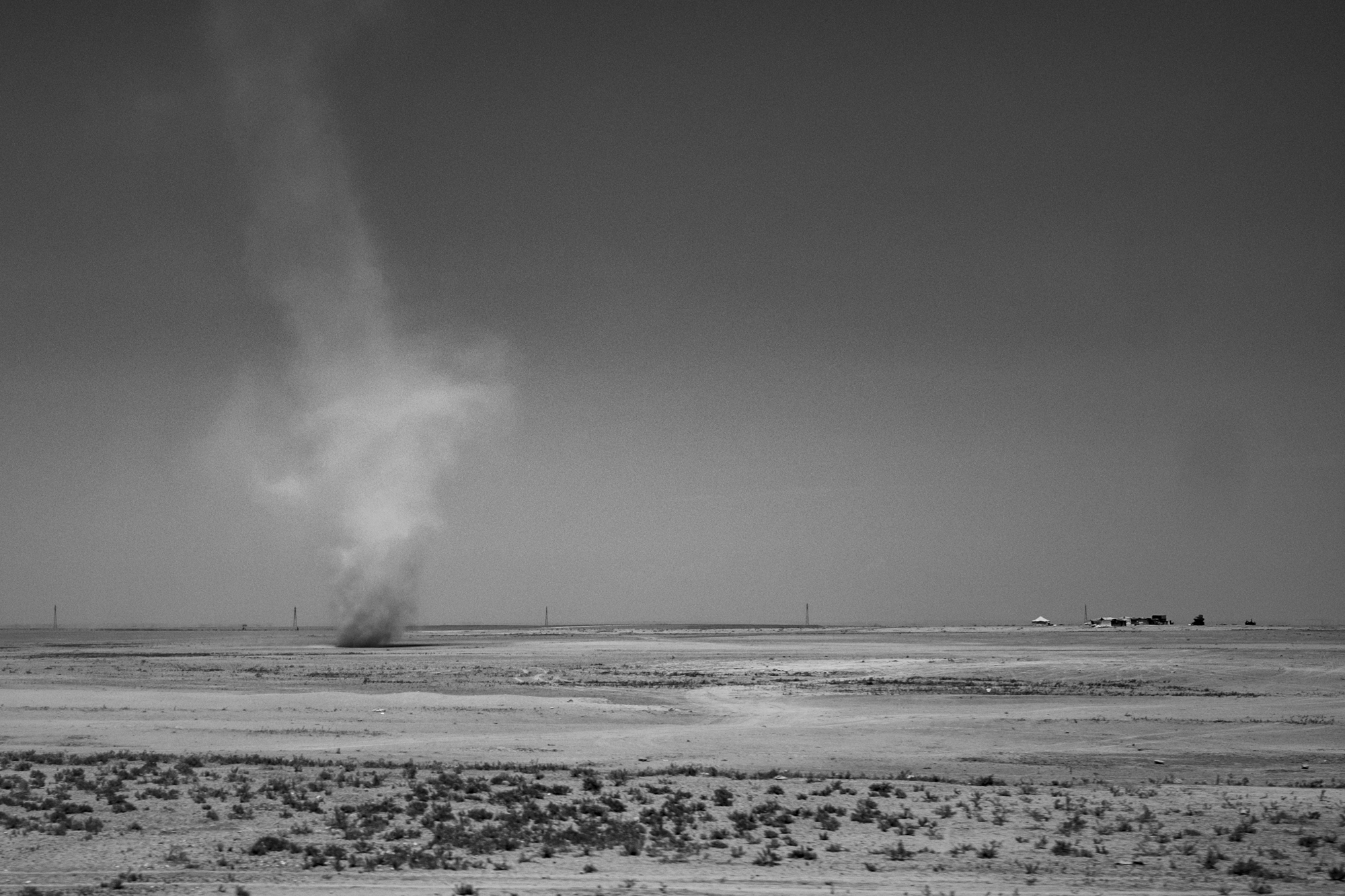
Heat – More than just hot
Climate change will lead to an increase in prolonged heat waves. Yet heat is much more than just a weather phenomenon. It affects our social life, health, the environment, politics, and, very specifically, our operations in crisis areas – and thus becomes a matter of global justice.
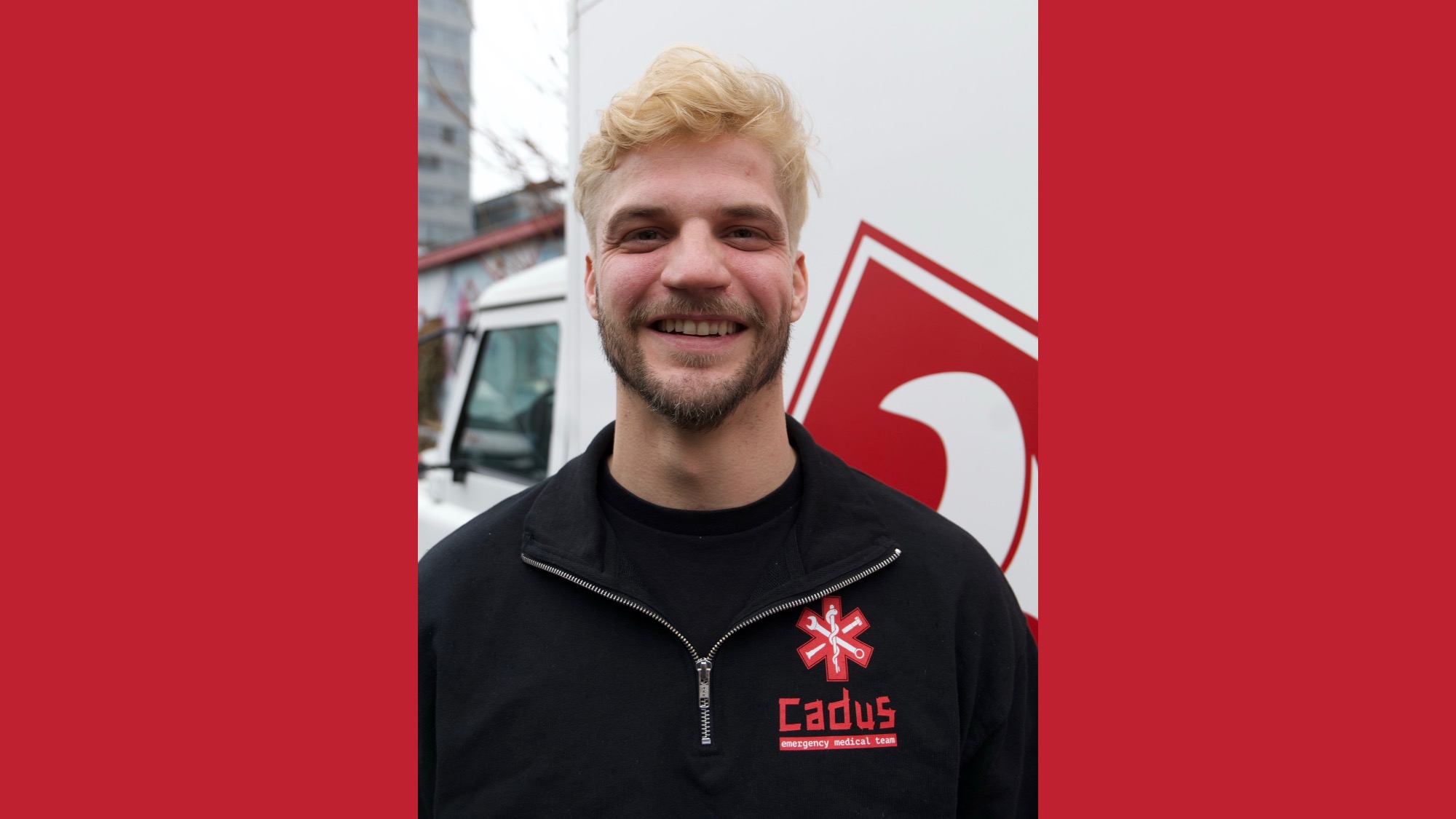
Meet Our Team: Felix, Head of Finance
Behind every humanitarian response in a crisis zone is a team based in Berlin that ensures everything runs smoothly. One of them is our colleague Felix. He has been with CADUS for two years, and for over a year he has been leading our financial management as Head of Finance. In this interview, he explains how he and his team bridge the gap between the German tax office and the reality on the ground in a war zone.