Health and Democracy
Published on 13. July 2026
from Jonas Gruenwald

In the “Off the Record” commentary series, we provide our staff and volunteers with a space to share their experiences from missions and their work with CADUS, as well as their thoughts on humanitarian aid, politics, and society. The views expressed do not necessarily reflect the opinions of the CADUS organization.
The healthcare system in Germany is not in the best shape. But health isn’t the only reason we should advocate for it.
A nursing crisis, underpaid and overworked staff in hospitals and emergency services, closures of hospitals and pharmacies—the list of problems in the German healthcare system is long. The current government seems to have little to offer (or little desire to do anything) to address this. Instead, it is exacerbating the problem with cuts, such as those to psychotherapy, or questionable changes to sick leave policies. There is reason to fear a deterioration in both the working conditions of medical staff and the quality of patient care.
Not something to be taken for granted
I’ve been part of CADUS for over 10 years. What I’m constantly reminded of during our missions, whether in Syria, Iraq, Gaza, Sudan, or other countries, is that a functioning emergency response system and comprehensive medical care cannot be taken for granted. Only very few countries have a system like the one we have in Germany. It’s a luxury – but one that we, as a society, absolutely must preserve.
A Foundation of Society Worth Protecting
The fundamental idea of a health care system in which everyone receives care, regardless of their actual or perceived characteristics, and in which the costs are borne by the general public, is a cornerstone of a socially just and democratic society.
The idea of treating patients solely on the basis of medical necessity is also the foundation of humanitarian emergency aid. The question of whether someone can afford help should not even arise. We are all equal before the healthcare system – a utopia brought to life.
Maintain and Improve
Of course, this ideal situation never existed. Some of the current problems have been around for decades. Associations, patient organizations, and labor unions, among others, have repeatedly drawn attention to this. In rural areas in particular, hospitals are closing, and emergency medical services are finding it increasingly difficult to provide their services (keyword: “ambulance desert”). Some counties are now passing the costs on to patients. Out of fear of the costs, poorer people in particular may hesitate to call 911 in the future. Soon, more than ever before, one’s own financial situation could determine access to basic medical care.
Nevertheless, we already have a system, despite all its problems, that we can build upon. As a society, we should appreciate the value of this high standard of health care and not treat it merely as a financial burden that needs to be eliminated. The goal must be to work together to find solutions to the challenges and to further improve the system, rather than dismantling it piece by piece.
Medicine has an impact – even on society
For in addition to poorer medical care, this would undermine trust in functioning institutions and in a society that takes all needs and life realities into account. Health is a prerequisite for participation in society, its democratic processes, and peaceful coexistence. I do not want to live in a society where the next illness could automatically mean personal ruin.
That is why, in our operations, we also support local health care providers with training, vehicles, equipment, and capacity-building. Not only because it helps people directly, but also because it strengthens societies, promotes social cohesion, and makes a society more resilient. This highlights a glaring contradiction with other political calls for Germany to become more resilient again. So why not start with health care and social cohesion?
People who don’t have to worry about whether they’ll receive help in a medical emergency have fewer concerns. And at the same time, they have more capacity to take care of their family, friends, and neighbors in other ways. Life feels freer when you know you can count on unconditional help in an emergency.
This kind of freedom based on solidarity should be the goal of an emancipated society. Let’s work toward it together, instead of cutting back and dividing people.
About the Author:
Jonas has been part of CADUS since 2015 and has held many positions within the organization since then, ranging from the board of directors to logistics. For several years now, he has been primarily active in public relations and the WASH sector. Beyond humanitarian response, he is interested in political and social issues and is also actively involved in practical efforts to build a more inclusive society.

Swiftwater Training – Two Testimonials
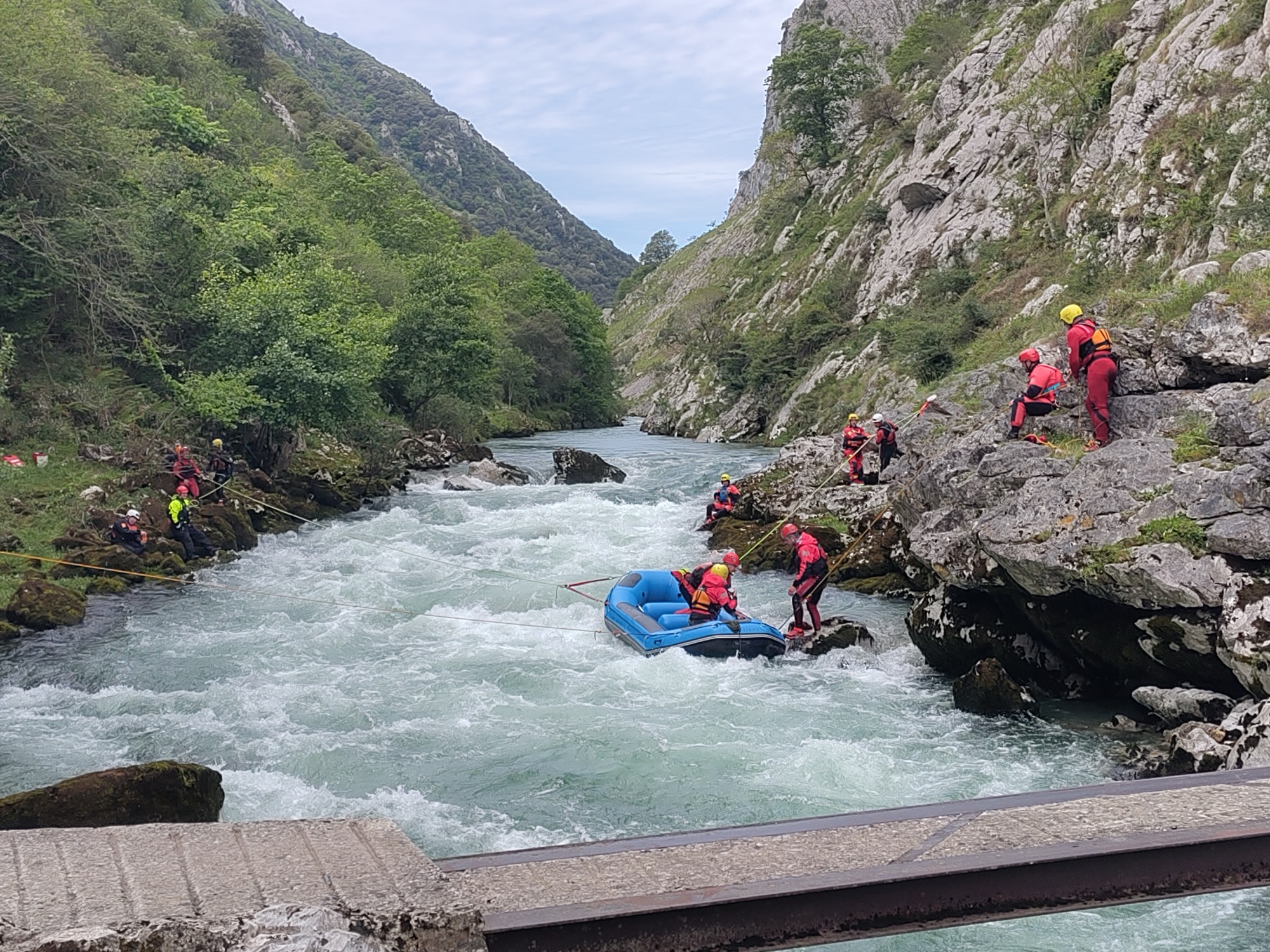
As a result of climate change, extreme weather events and flooding will increase worldwide. As part of our Climate Emergency Responder program, four CADUS volunteers therefore participated in a training course for instructors in current rescue. Sanne and Laura share their experiences with whitewater here.
Meet our Team: Dr. Corinna Schäfer
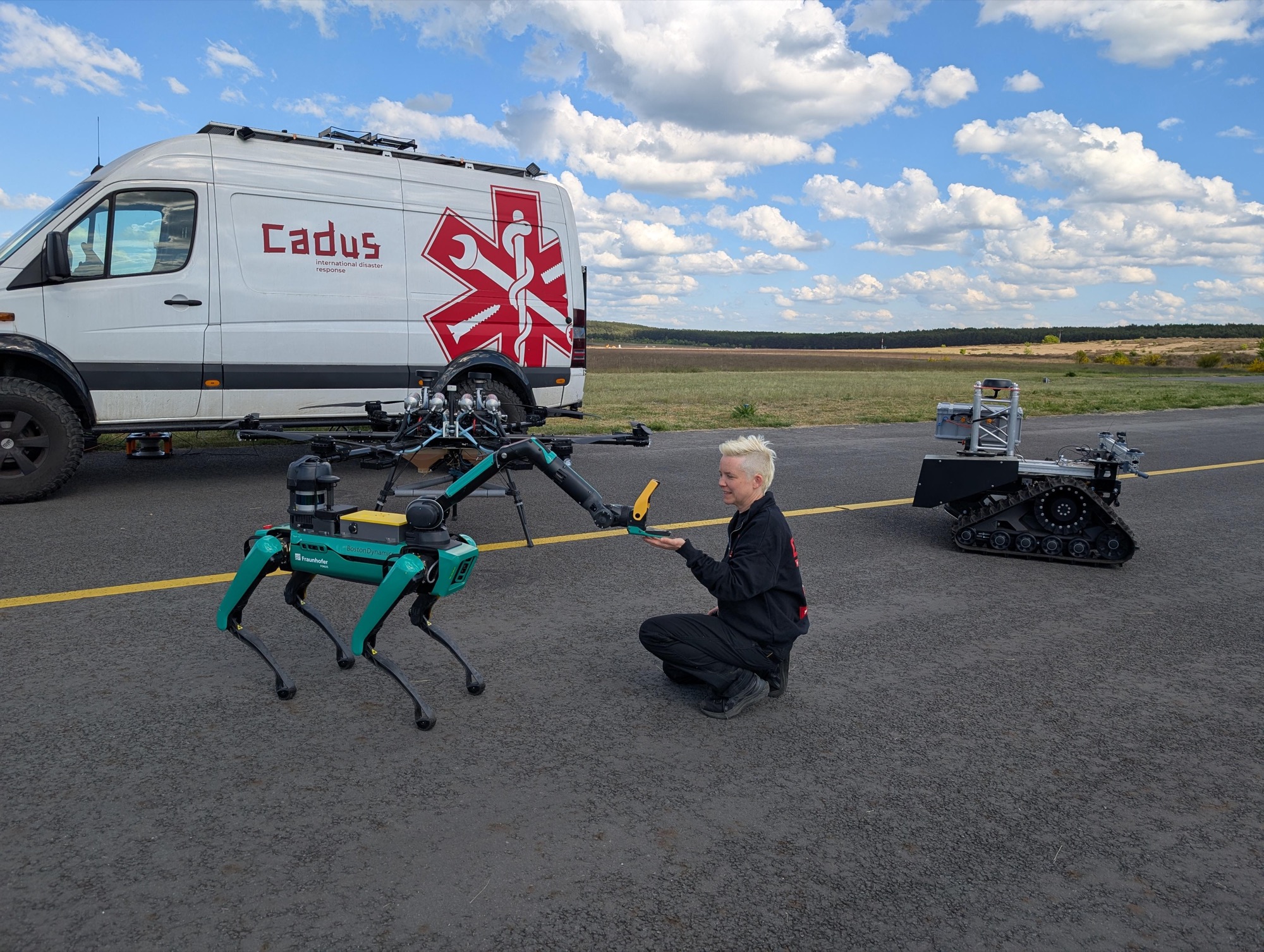
When people think of humanitarian emergency aid, they usually picture doctors saving lives in makeshift tents. But the reality of today’s crisis response missions involves more than that. It consists largely of logistics, infrastructure, and—increasingly—cybersecurity. Our colleague Dr. Corinna Schäfer
Shelter Diary
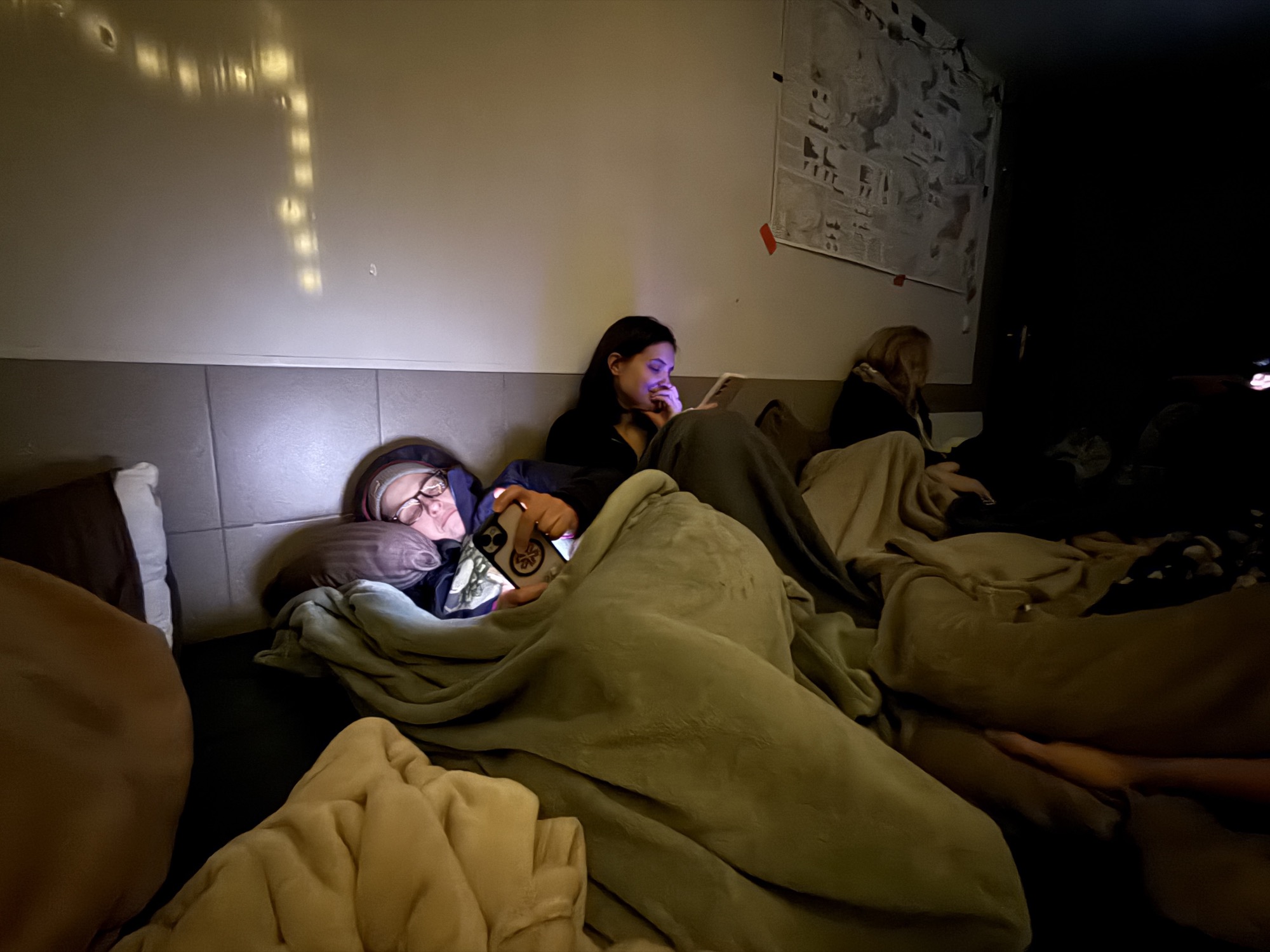
The people of Ukraine are under constant threat of the drone and missile attacks from the Russian military. Residential areas and civilian infrastructure are repeatedly targeted, and there are regular reports of deaths and injuries. Our teams, too, must deal with this danger. In the following brief excerpts, one of our staff members describes her experiences over the past few days.