Meet our Team: Dr. Hareen De Silva
Published on 15. July 2026
from Jonas Gruenwald
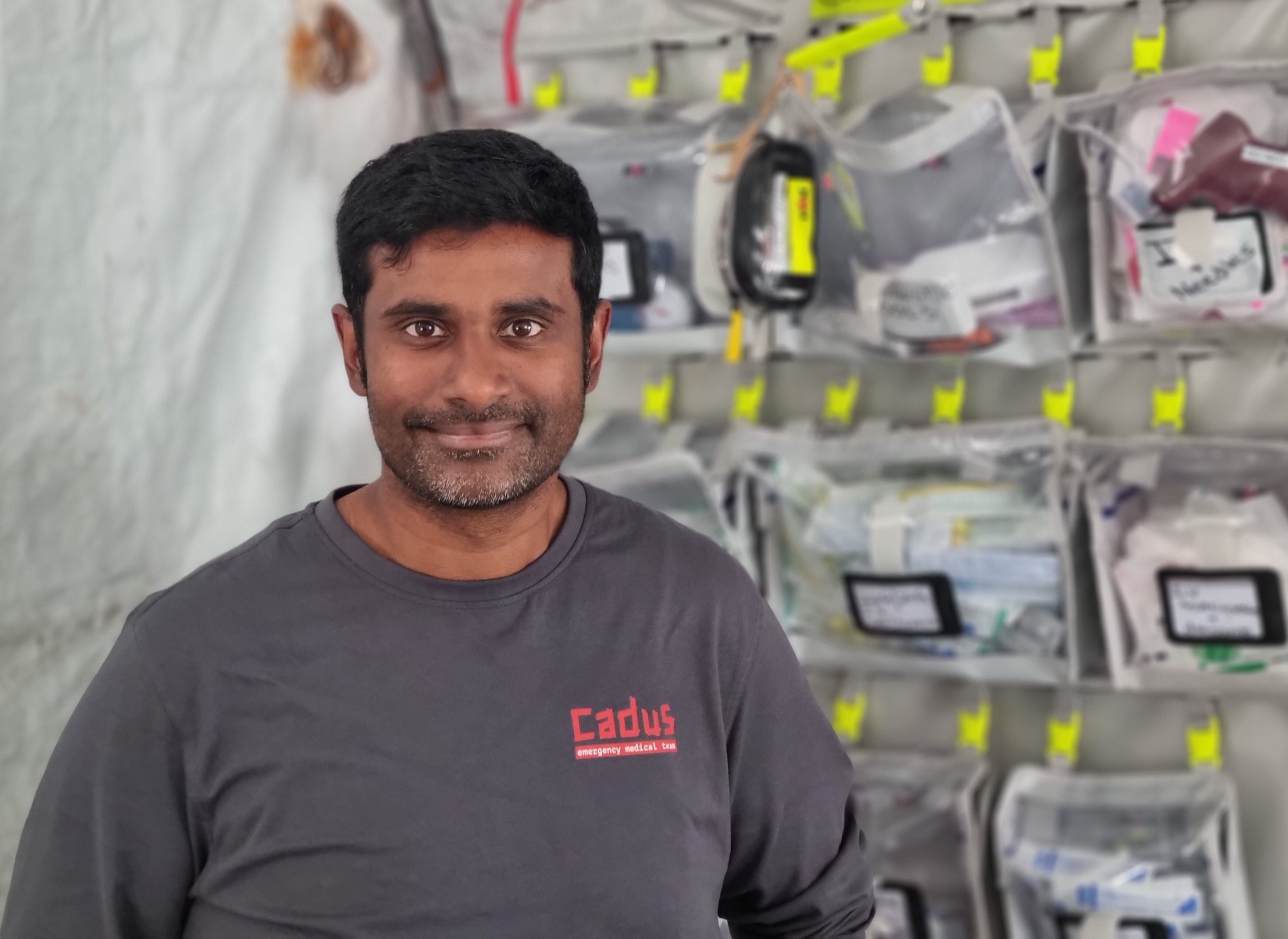
There’s almost no place nor community on earth too remote for our colleague and general practitioner Dr. Hareen De Silva BEM: From being the only doctor on a remote island, working on engaging and providing healthcare within marginalised communities to now leading the health department at CADUS. In this interview, Hareen shares what impassions him and which goals he has for humanitarian work.
What brought you to the field of humanitarian work on top of being a General Practitioner?
The answer to that largely goes back to my upbringing. I was born in Sri Lanka and my parents moved to the UK when I was six months old, and I witnessed how hard it was for my parents as immigrants to a new country and that has shaped the choices I’ve made in life. So while working in Primary Healthcare, I realised I quite like being part of a community. During a Global Health module for my Masters degree I found my love for the humanitarian aspect of it, so I ended up using my Public Health Masters to become a health inequalities champion in one of the most deprived areas in the UK and work on improving the health of marginalised communities, such as the Traveller community who have difficulties accessing healthcare in the UK. I am currently the Trustee of a UK Education charity called Fairhealth. Our aim is to produce education resources for healthcare professionals working in health inequalities.
What are some of the more memorable experiences you can share?
There are many to choose from. So in between working in the ICU during the Covid-19 Pandemic and doing contact tracing for suspected and positive cases among other things, I went on a few expeditions: Costa Rica, Dominica, Gough Island and Midway Atoll (two of the most remote places). To give you some context of how remote Gough Island is: If anything went wrong, it took 3 to 4 days for a ship to come and collect you. In 2023, I went on a habitat restoration bird protection project on Midway Atoll Island. I didn’t do anything medical there, I was part of a team that was collecting trash and protecting the human food so that the mice that were eating some of the most endangered species of birds would be contained eventually. I have also been on humanitarian projects with different organisations: With CADUS I went to Northeast Syria in 2021 to work at the al-Hol refugee camp’s hospital, where we were the only 24 hour inpatient facility in the camp and we had 24 beds for 60.000 people. That is also an experience you don’t forget easily.
What has this work taught you about yourself that you didn’t know before working in the humanitarian field?
I’ve learned that we have been conditioned early on in life to believe we need so many things to live. . When I packed my bag for my first trip, which was to the Greek island of Lesbos with Medical Volunteers International (now Medical Solidarity International), I had a lot more things with me than what I bring now. Earplugs and an eye mask are the two things that I need anywhere I go in the world, whether it’s for a conservation project or humanitarian work. I’ve also realised I don’t need to be online all the time, apart from keeping in touch with loved ones. Having been to places such as Gaza, where people have to survive with much less than what the average person in privileged countries has, taught me that all you really need is your family around you.
How did you end up working for CADUS?
Whilst working for Medical Volunteers International in Greece, CADUS was sharing the primary healthcare tent we were working in. After I went home I searched online for them and saw they had a job opening for Northeast Syria. Currently, I’m the Head of the Health department and I’ve also been on a few missions with CADUS during the last three years.
When you talk to your family or friends back home, what is the hardest part of your job to explain to them?
It’s the mental trauma you experience when you’re in crisis zones and then coming back to your everyday life. Anyone that has worked in a conflict zone will tell you the first few days are hard, car doors banging sound like explosions and construction work can sound like drones. I am guilty for taking things for granted and have to remember the privilege afforded to me by my UK passport and having access to water and food without concern. Even after the projects I’ve been on, it’s still hard. I’m able to adapt better now, because I have the psychological tools. But I think you can never really convey how bad a situation is with your words, even when you show images.
With all the destruction and hardship you see every day, is there something that gives you hope?
It’s the people I work with, be it the volunteers or my colleagues from local organisations in the different deployment sites. The only reason my work and that of organisations such as CADUS succeed is because of so many people who are willing to support each other and show solidarity to others. I hope they know that they give me a lot of hope.
Health and Democracy
The healthcare system in Germany is not in the best shape. But health isn't the only reason we should advocate for it.
Update on Venezuela
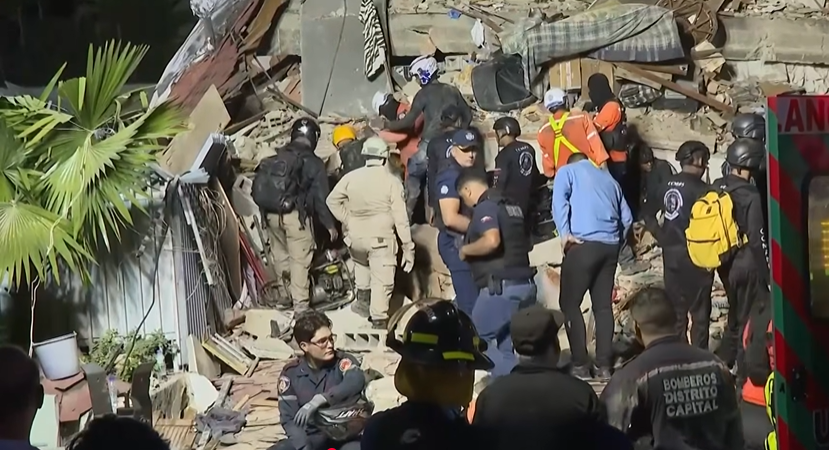
We are ready to launch our Venezuela response to support medical care in the wake of the devastating earthquake. Here is an update.
Swiftwater Training – Two Testimonials
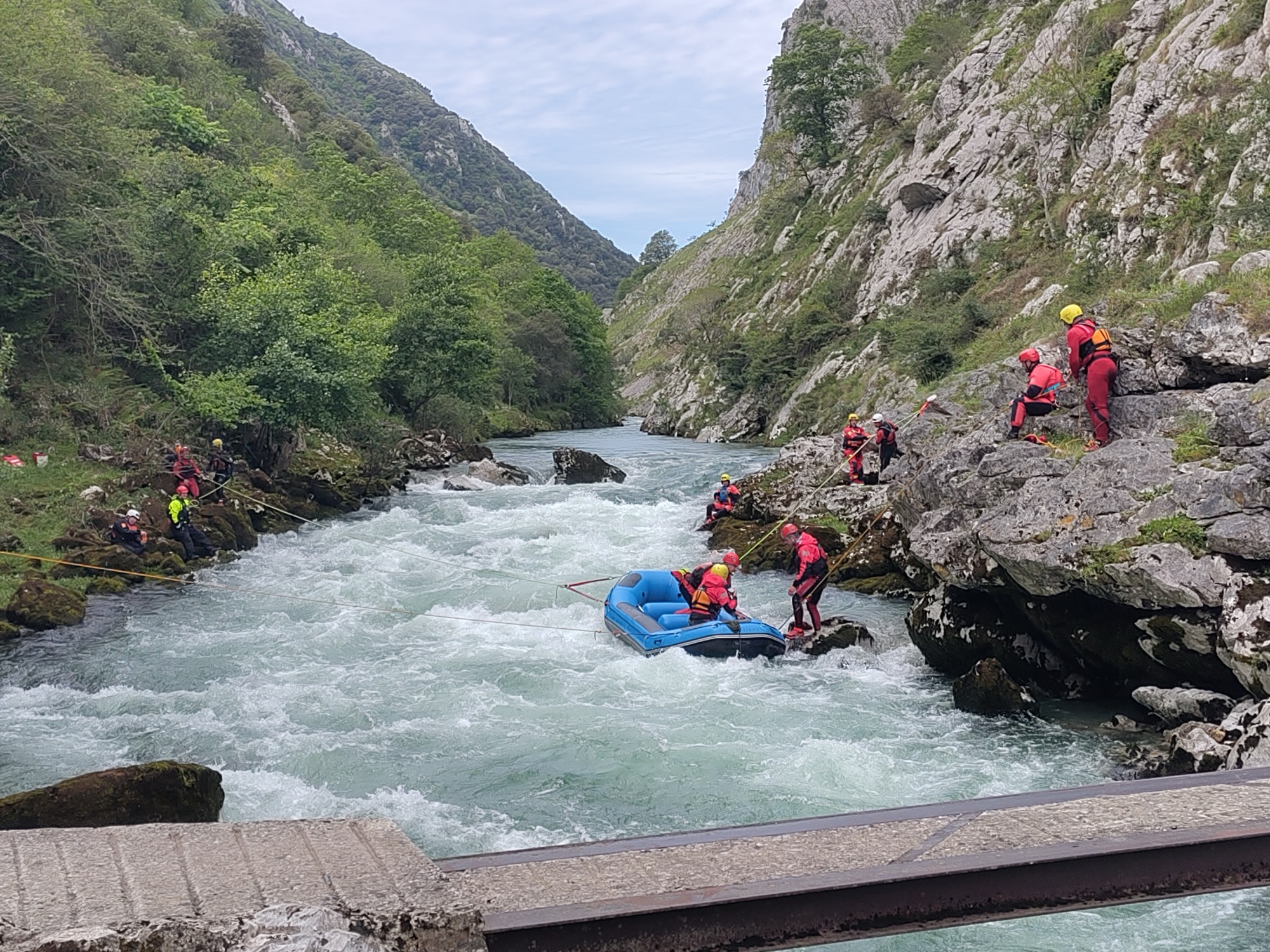
As a result of climate change, extreme weather events and flooding will increase worldwide. As part of our Climate Emergency Responder program, four CADUS volunteers therefore participated in a training course for instructors in current rescue. Sanne and Laura share their experiences with whitewater here.