Deaths in attack on humanitarian aid workers in Gaza
Published on 2. April 2024
from Jonas Grünwald
We are deeply shocked by the death of seven employees of the aid organization World Central Kitchen. They were killed today in an airstrike on their convoy by the Israeli army.
We are saddened by the loss of seven people who were torn from their lives in the performance of their humanitarian duties and in the exercise of human solidarity.
We are furious that humanitarian aid workers are repeatedly the victims of attacks despite all their efforts and, as in this case, have to pay for their commitment with their lives.
We are shocked by the incomprehensible harshness with which the fighting in the Gaza Strip is being waged, the disregard for humanitarian law and the recklessness with which civilian casualties are being accepted.
The fighting must stop NOW, humanitarian aid must be made possible and the hostages must be released! Our thoughts are with the dead WCK employees and their families and the victims of the war in Gaza.
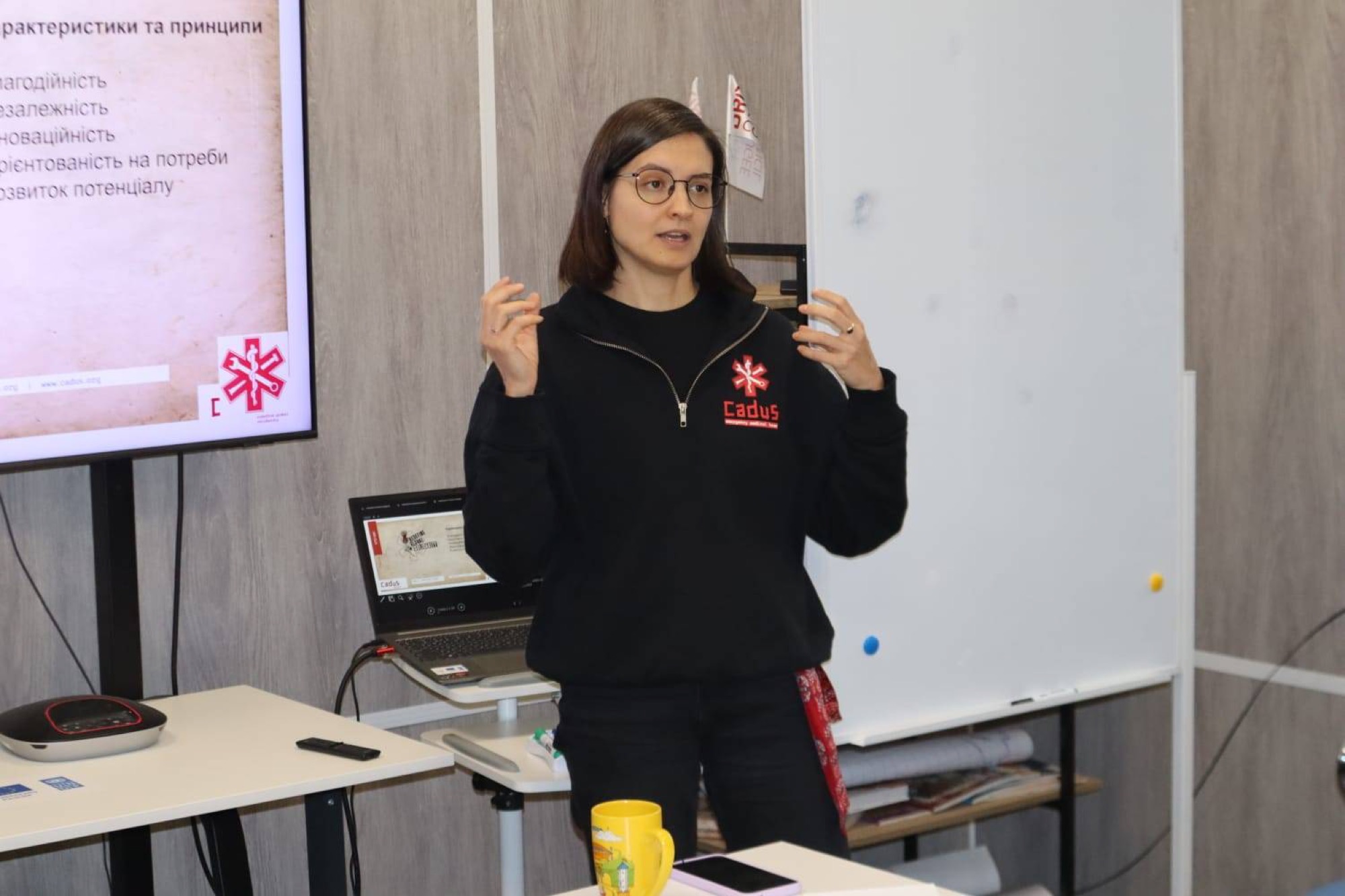
Meet our Team: Nastia, Infield Operations Coordinator in Ukraine
In this interview, we sat down with our Infield Operations Coordinator, Anastasia Vorobyova, in Ukraine to learn more about her background, her day-to-day life on the ground, and what drives her to continue her essential work. She shares her journey from running a language school to joining the humanitarian response, the realities of living in a conflict zone, and the incredible resilience of the people around her.
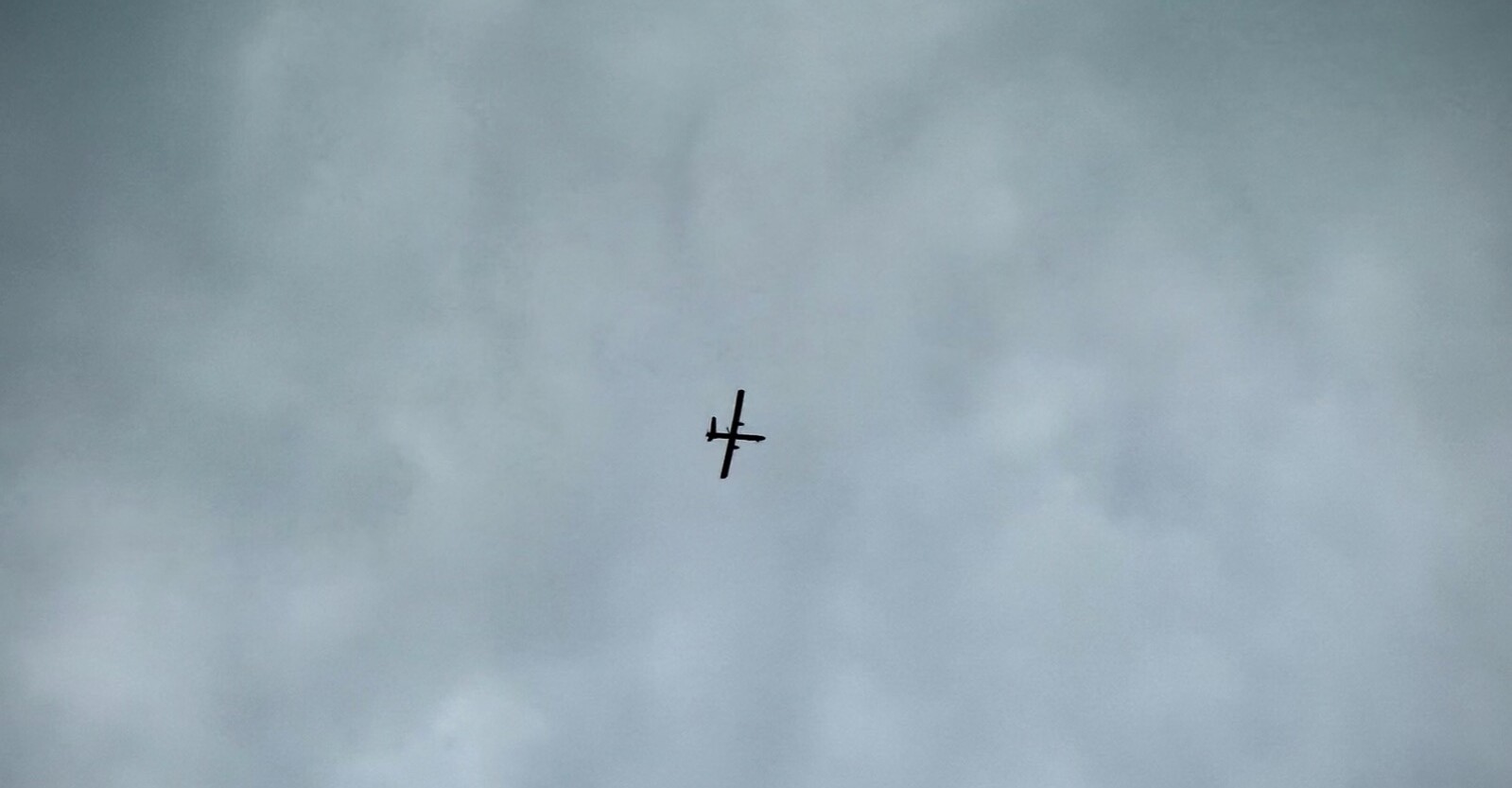
Monitoring the Patient While the Sky Monitors You.
Medical neutrality becoming psychologically uncertain. The Red Cross, ambulance, hospital, scrubs, or medical role ordinarily signify protection and neutrality. Under persistent surveillance, you may intellectually understand those protections while simultaneously feeling that being identifiable does not necessarily make you safe.
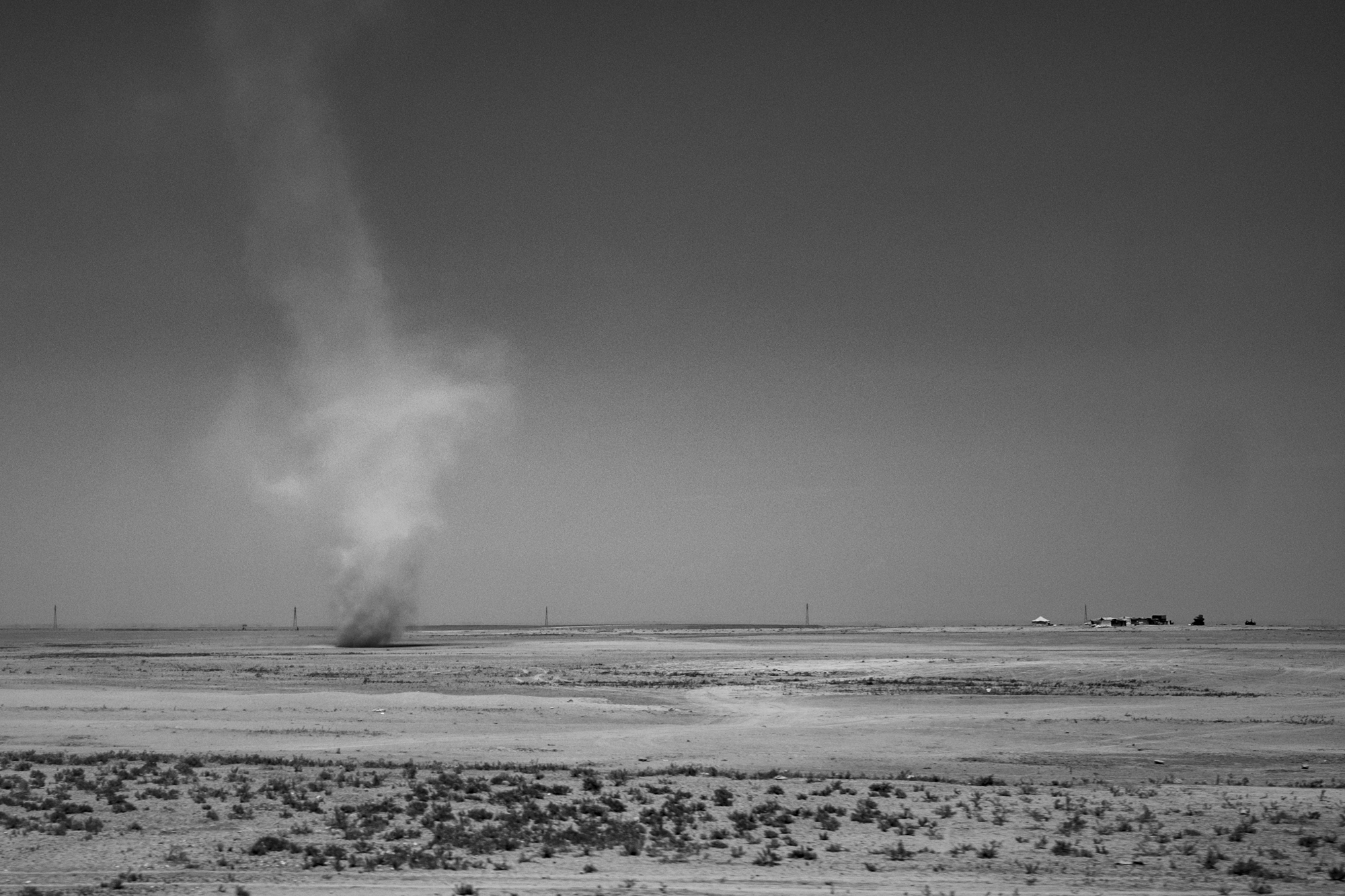
Heat – More than just hot
Climate change will lead to an increase in prolonged heat waves. Yet heat is much more than just a weather phenomenon. It affects our social life, health, the environment, politics, and, very specifically, our operations in crisis areas – and thus becomes a matter of global justice.